Vittoriano


CYCLE: Reintegrations: from storage to the museum tour
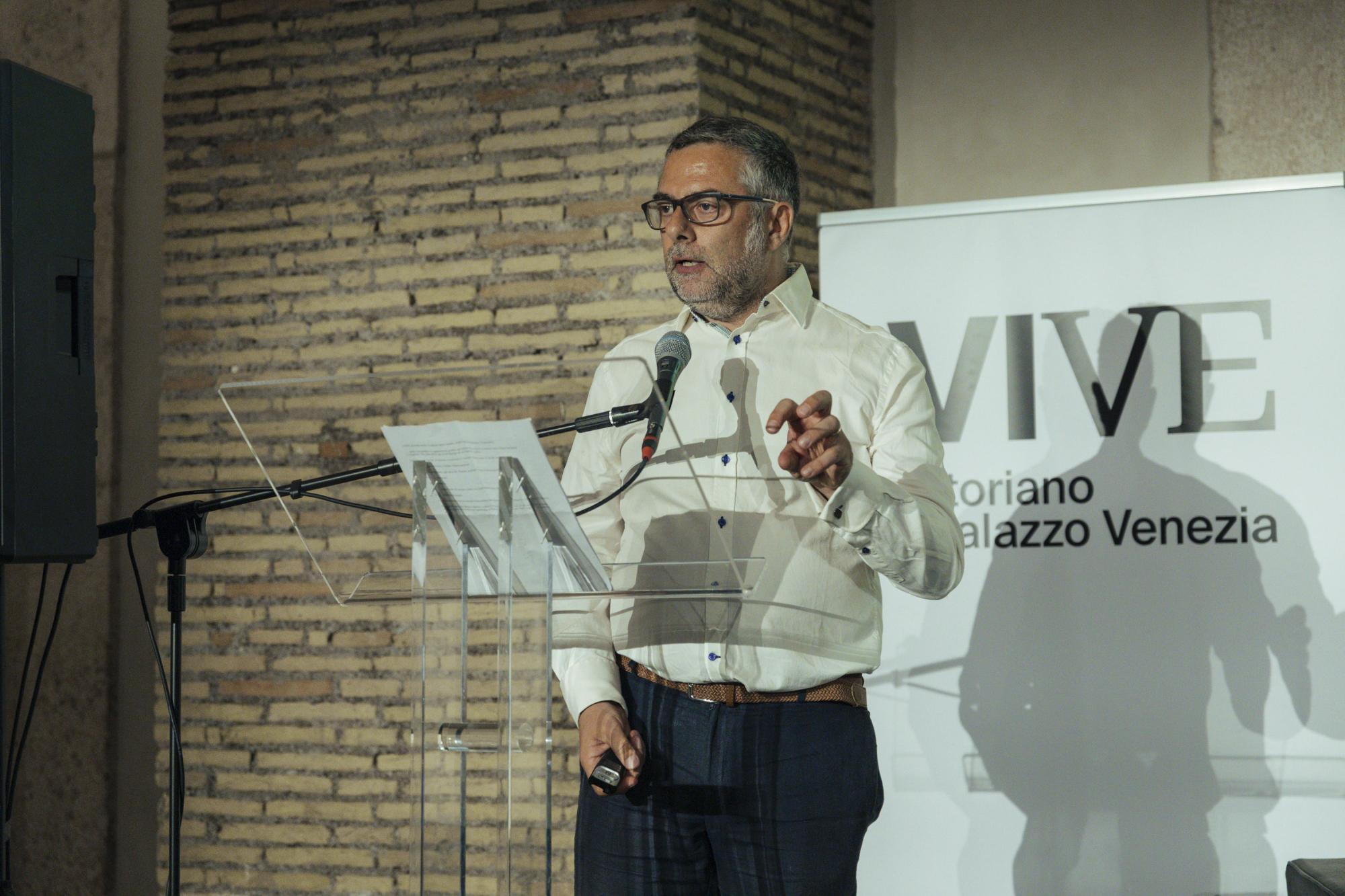
SPEAKER: Matteo Mazzalupi
DATE: Thursday, April 30, 6:00 PM
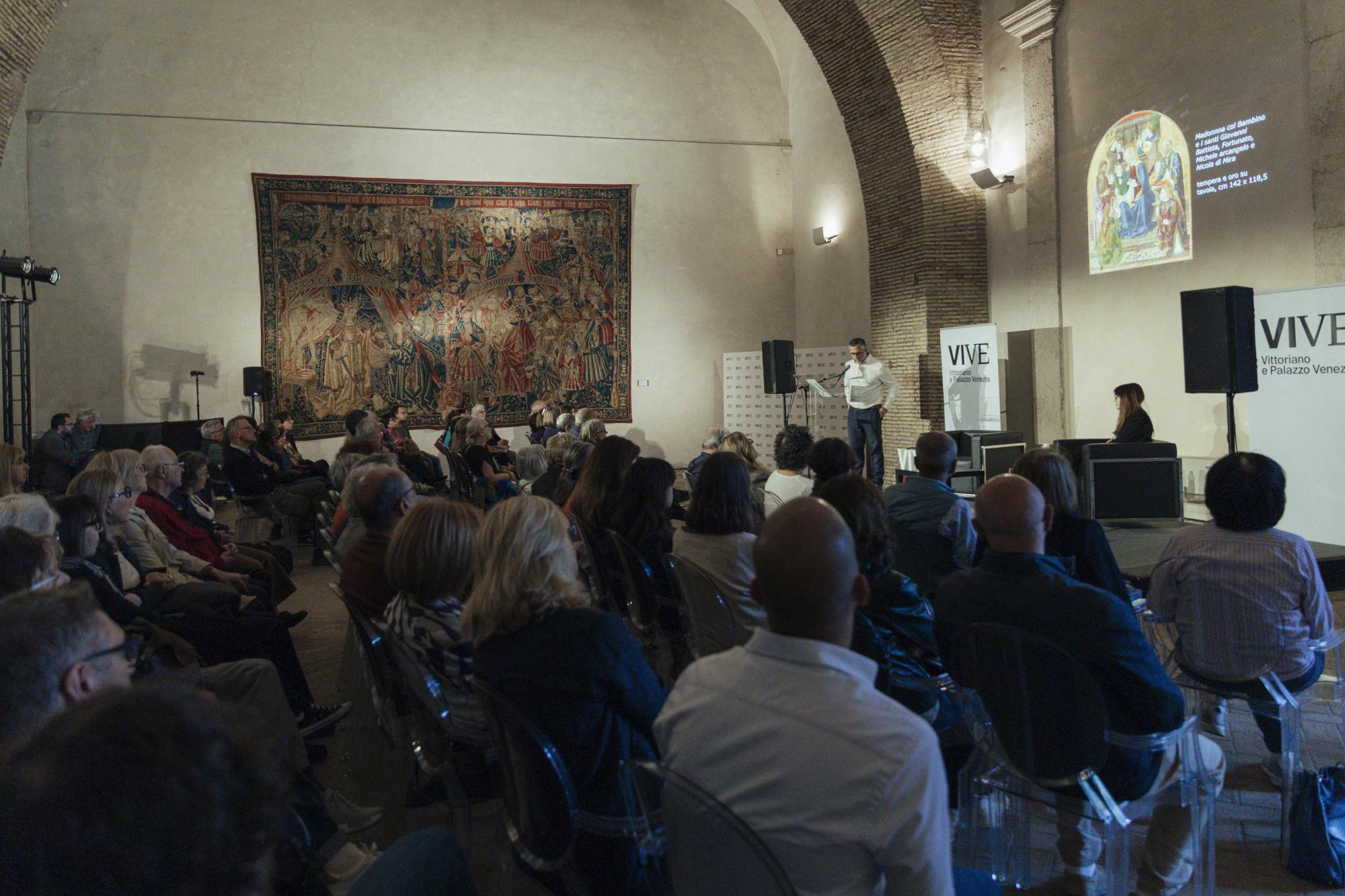
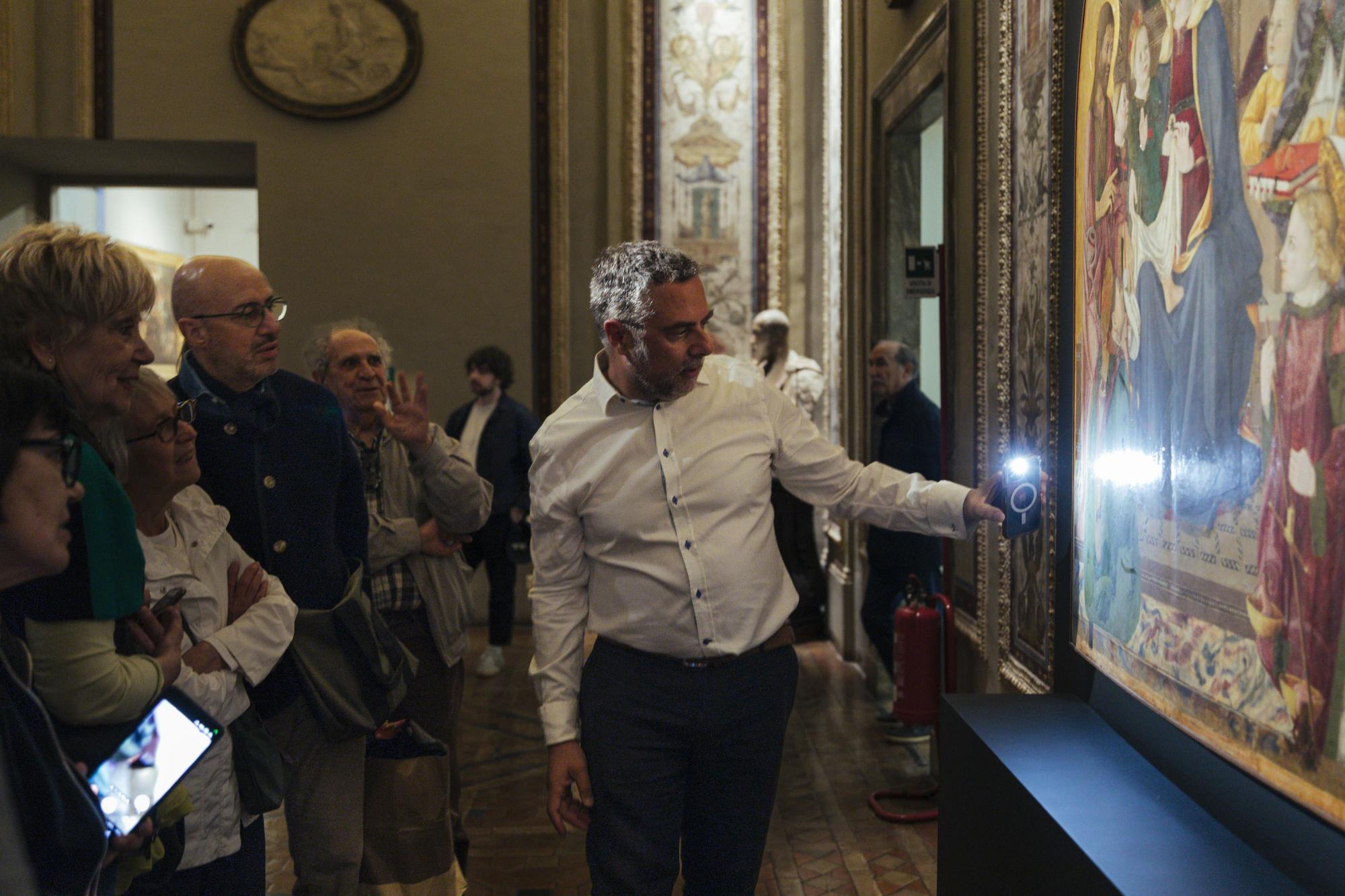
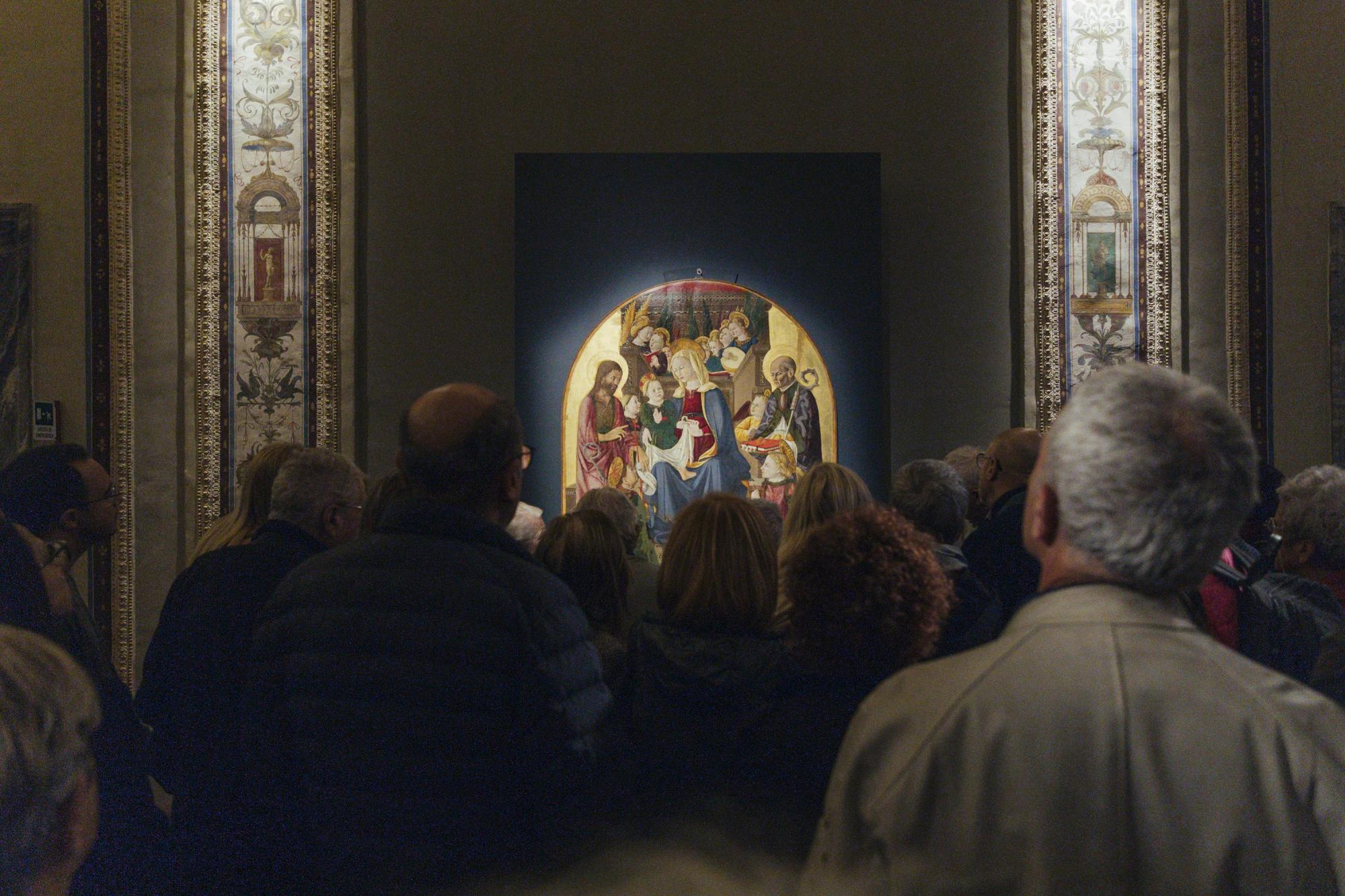
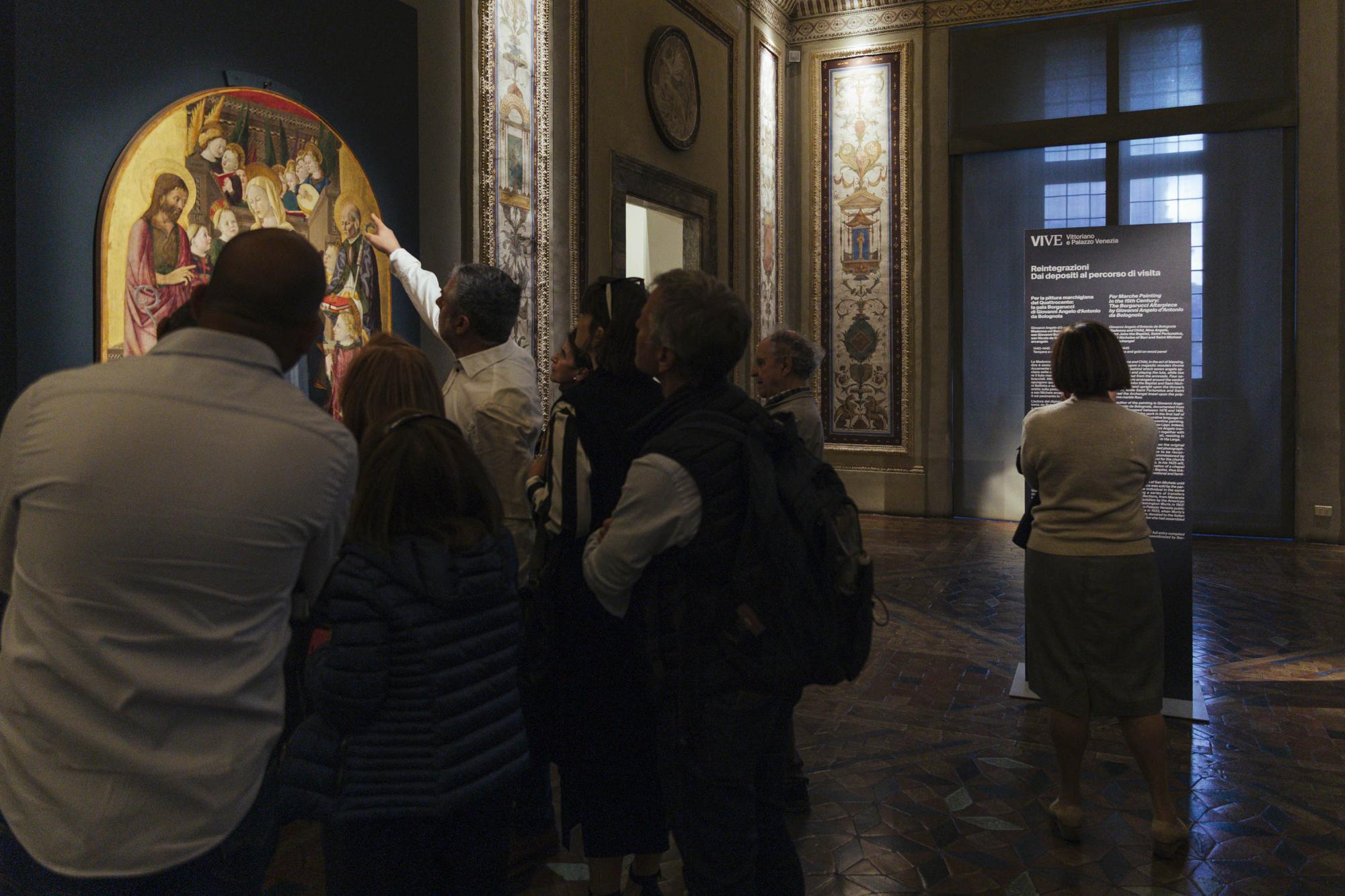
In 1933, a small altarpiece depicting the Madonna and Four Saints entered Palazzo Venezia as part of the Wurts Collection. It was attributed to Girolamo di Giovanni, a native of Camerino (in today's province of Macerata) and one of the leading painters of the early Renaissance in the Marches region. The work originally hailed from Bolognola, a mountain village in the ancient State of Camerino; sold in 1855, it eventually found its way into a famous Roman collection, that of Reverend Robert Nevin at the Anglican church of St. Paul’s Within the Walls on Via Nazionale. While the patron’s identity is known through an inscription, it was only through studies in the new millennium that the true identity of its author, who was born in Bolognola itself, was revealed. This discovery highlights the work's crucial role in the career of a painter of refined culture, who during those years in Florence was engaging with the works of Filippo Lippi and frequenting the exclusive circle of Giovanni de’ Medici, uncle of Lorenzo the Magnificent.
Matteo Mazzalupi is an art history officer for the Ministry of Culture, currently serving at the Appia Antica Archaeological Park. He specializes in Late Medieval and Renaissance painting and sculpture in central Italy. On these subjects, he has curated exhibitions at the Galleria Nazionale dell’Umbria and the Pinacoteca di Fabriano, and has published essays and articles in both Italian and international journals. In 2009, he won the Salimbeni Prize for his book Pittori ad Ancona nel Quattrocento (Painters in Ancona in the 15th Century).