Vittoriano


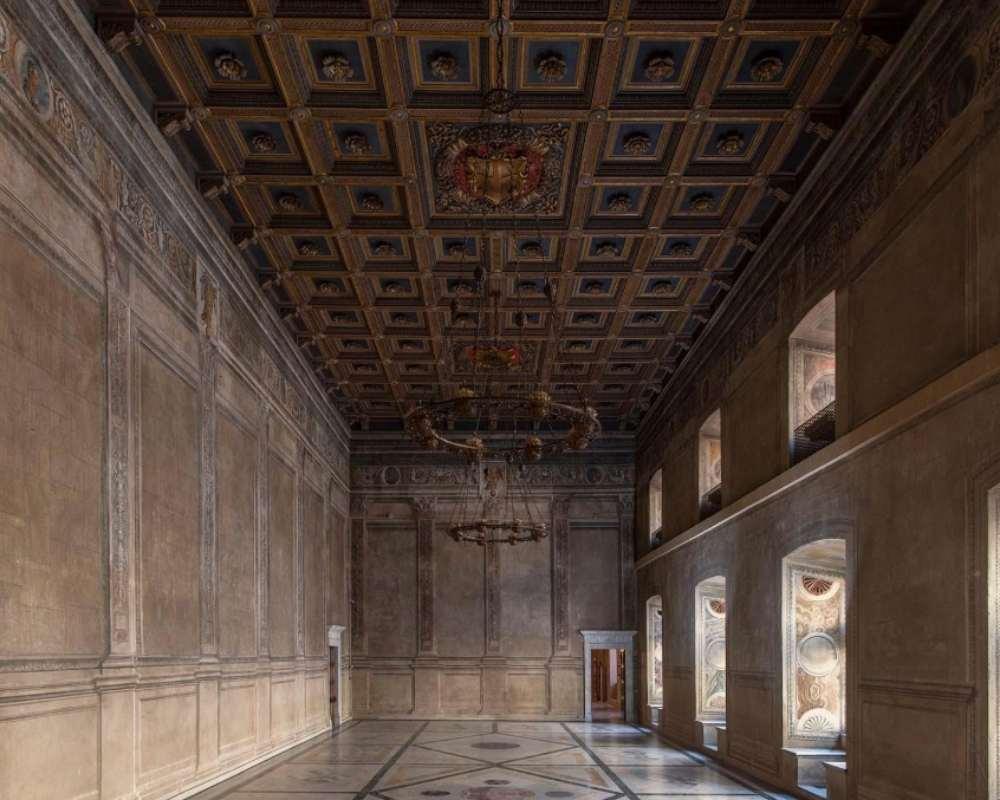
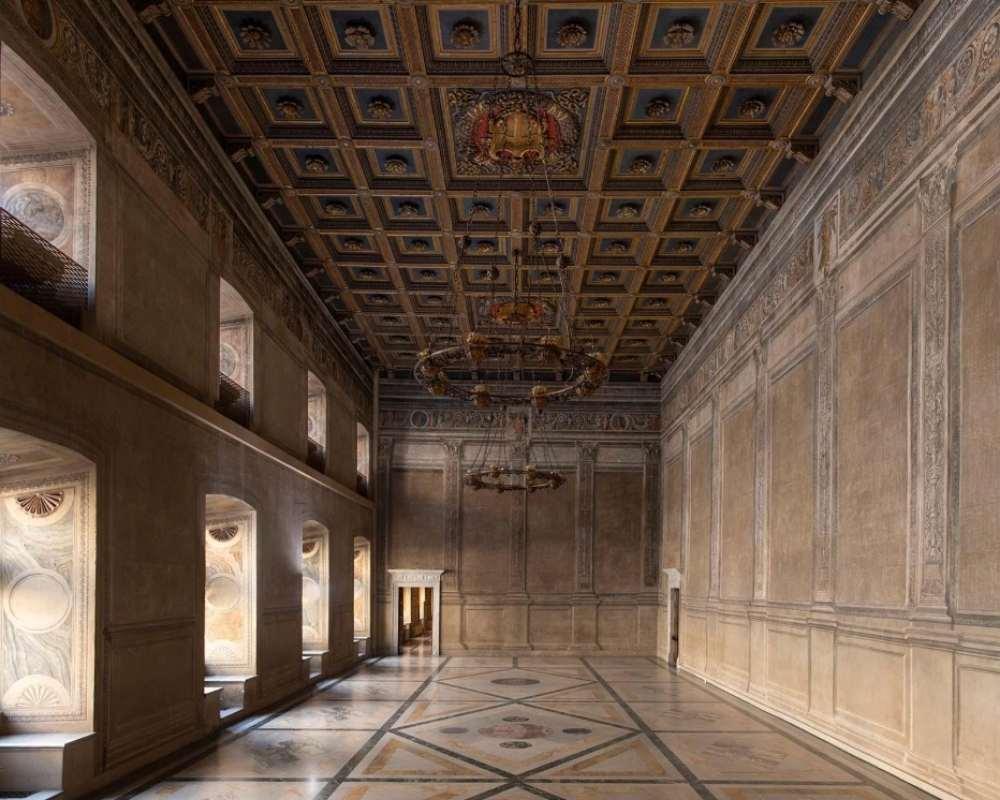
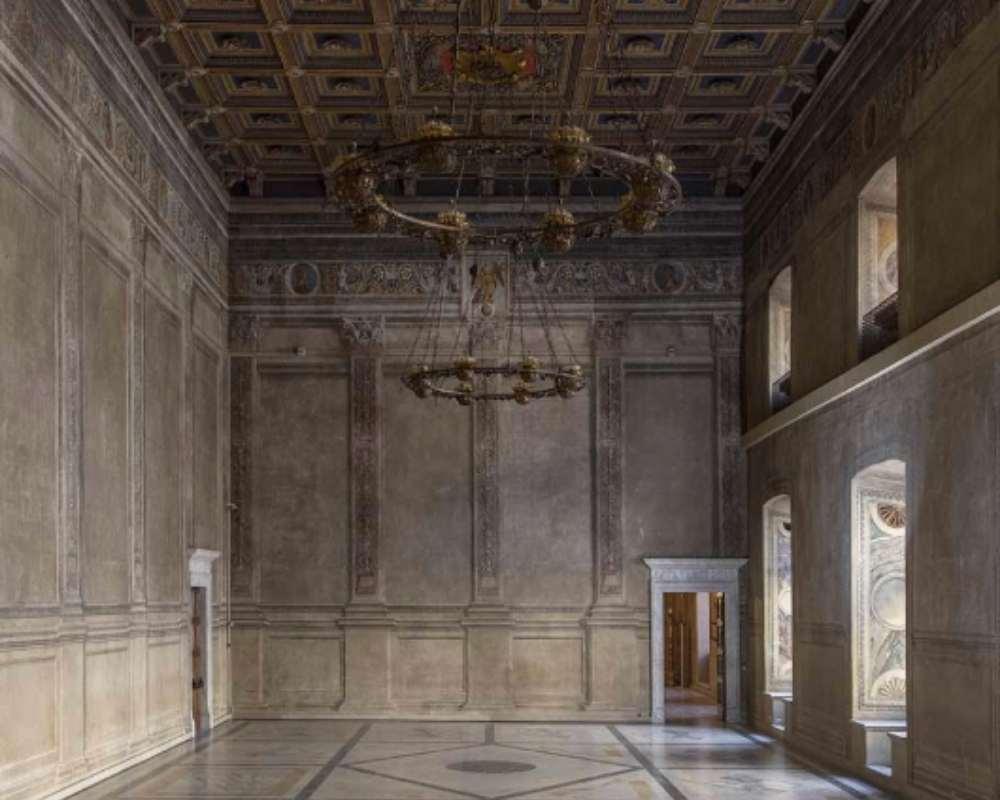
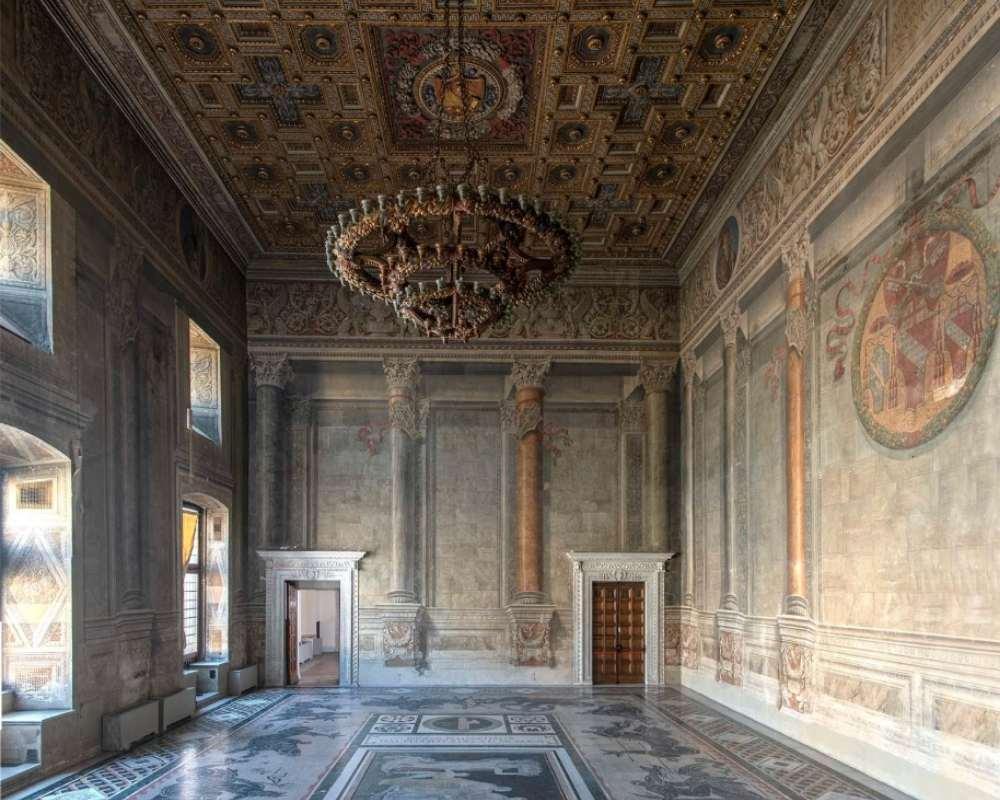
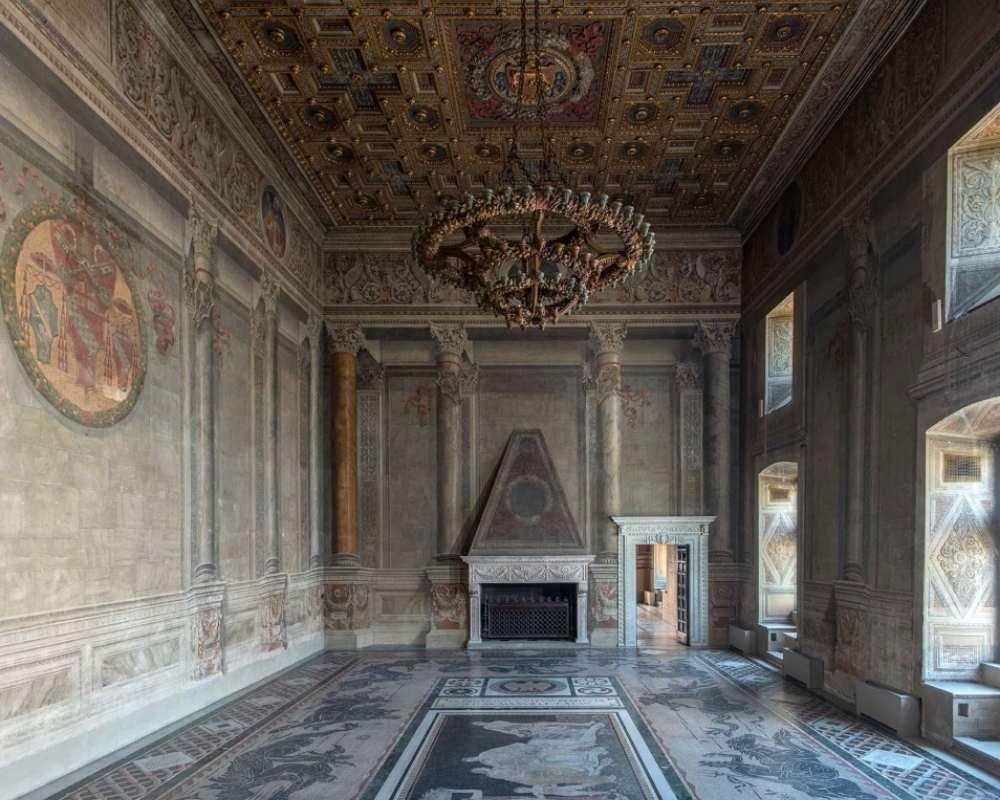
The monumental halls, three vast rooms located on the piano nobile, were built immediately after 1464, when Cardinal Pietro Barbo—who had constructed the building’s original core—ascended to the papal throne as Paul II. Over the centuries, these spaces have served high-profile institutional functions: in 1564, they became the seat of the ambassadors of the Republic of Venice and, from 1797, they hosted the representatives of the Austro-Hungarian Empire.
Later, in 1916, the palace was reclaimed by Italy, and the halls were designated to house the Museum of the Middle Ages and the Renaissance, before Benito Mussolini chose them as the representative seat of the Fascist government in 1922. In the post-war period, the rooms hosted permanent collections and then, from 1982, temporary exhibitions. Upon completion of the current works, they will house the new permanent exhibition designed by Michele De Lucchi, dedicated to “Made in Italy”—the great artistic and artisanal tradition of the Peninsula, from the Middle Ages to the dawn of the modern Made in Italy era.
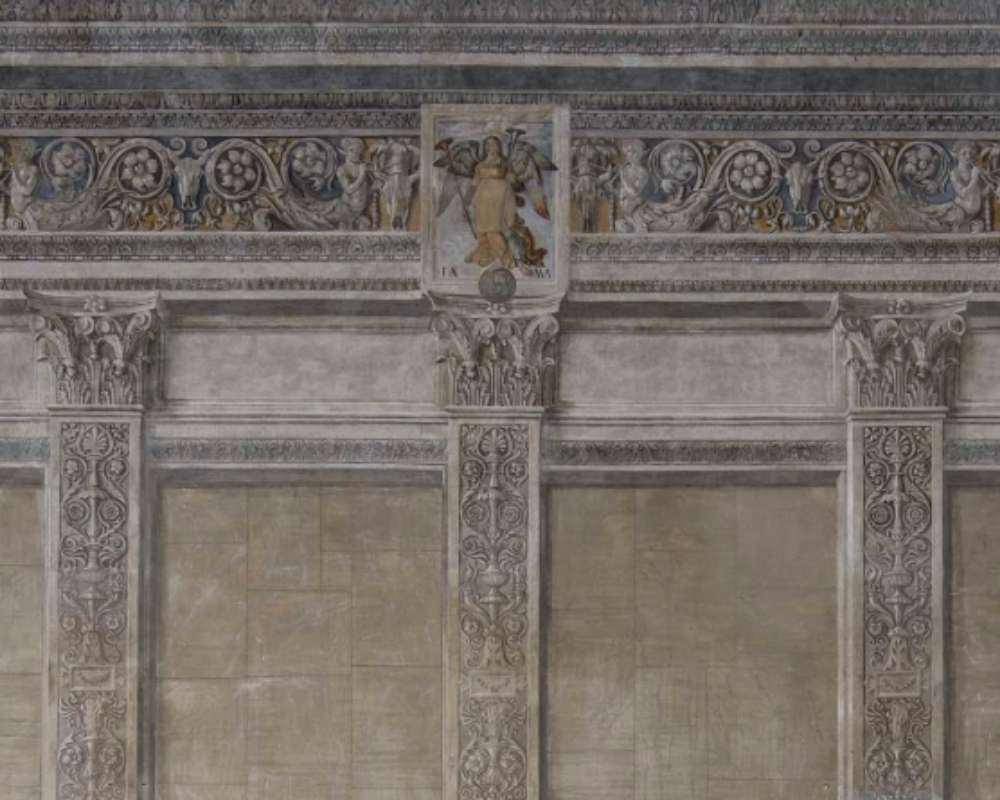
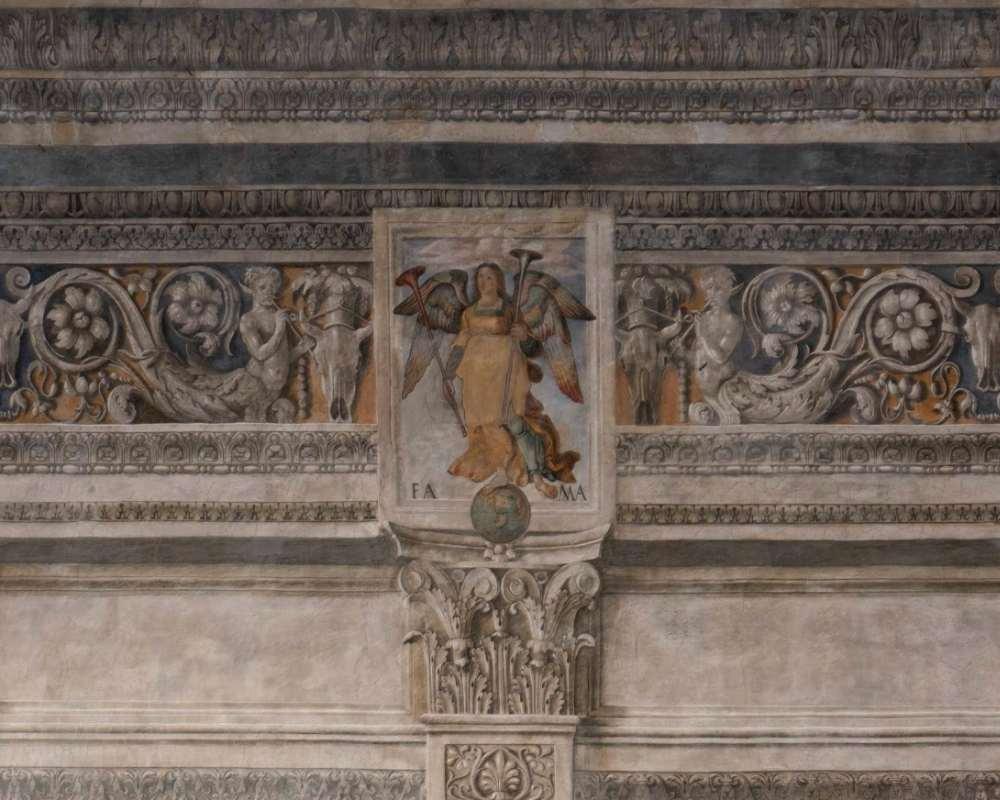
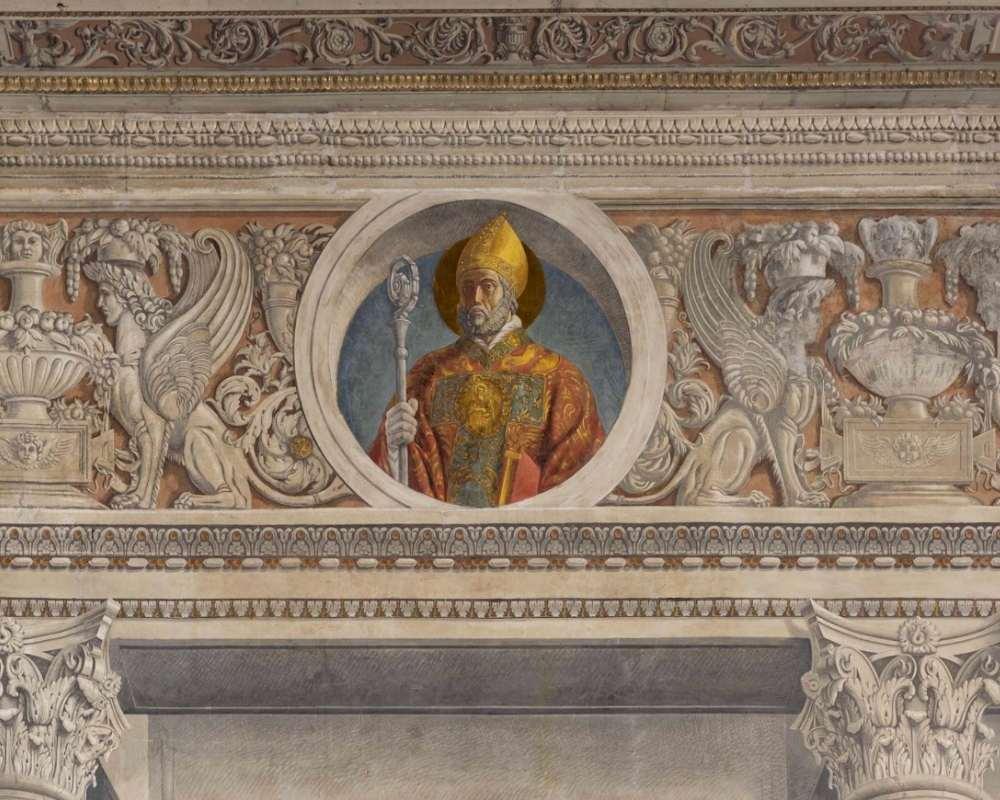
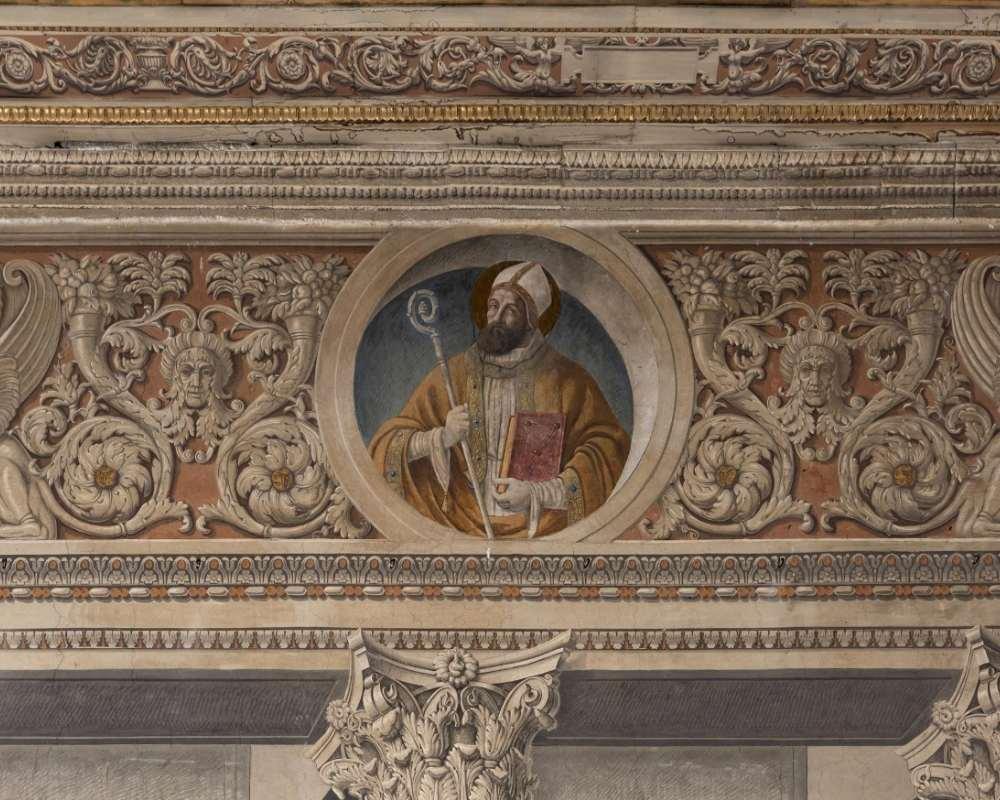
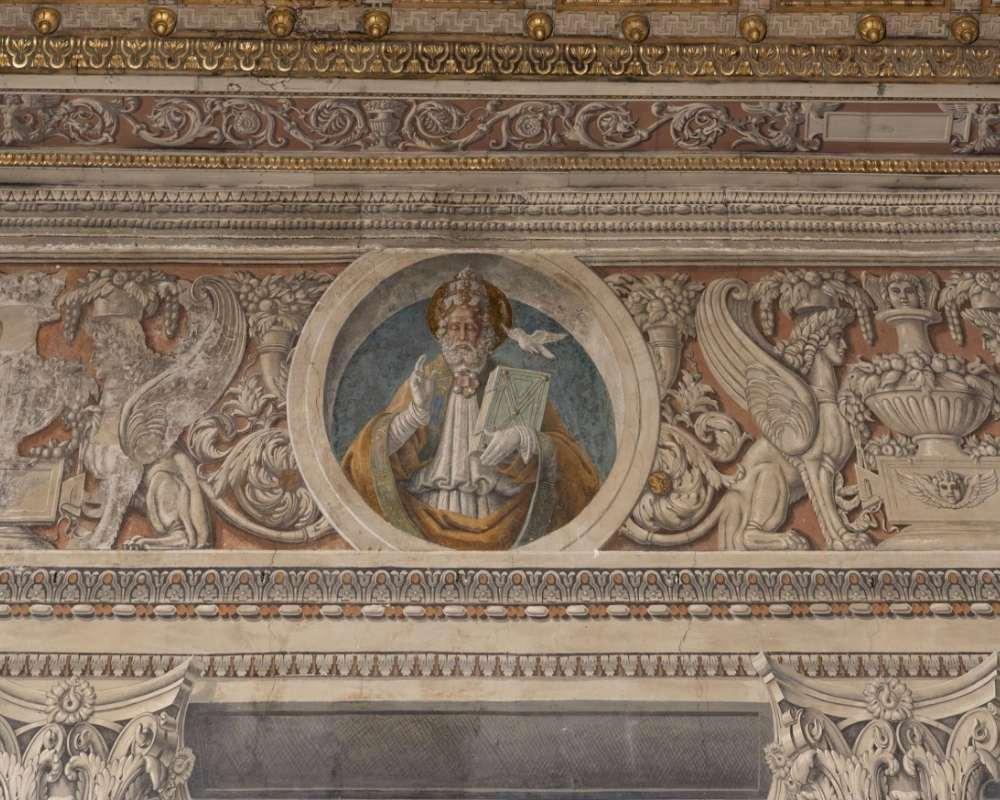
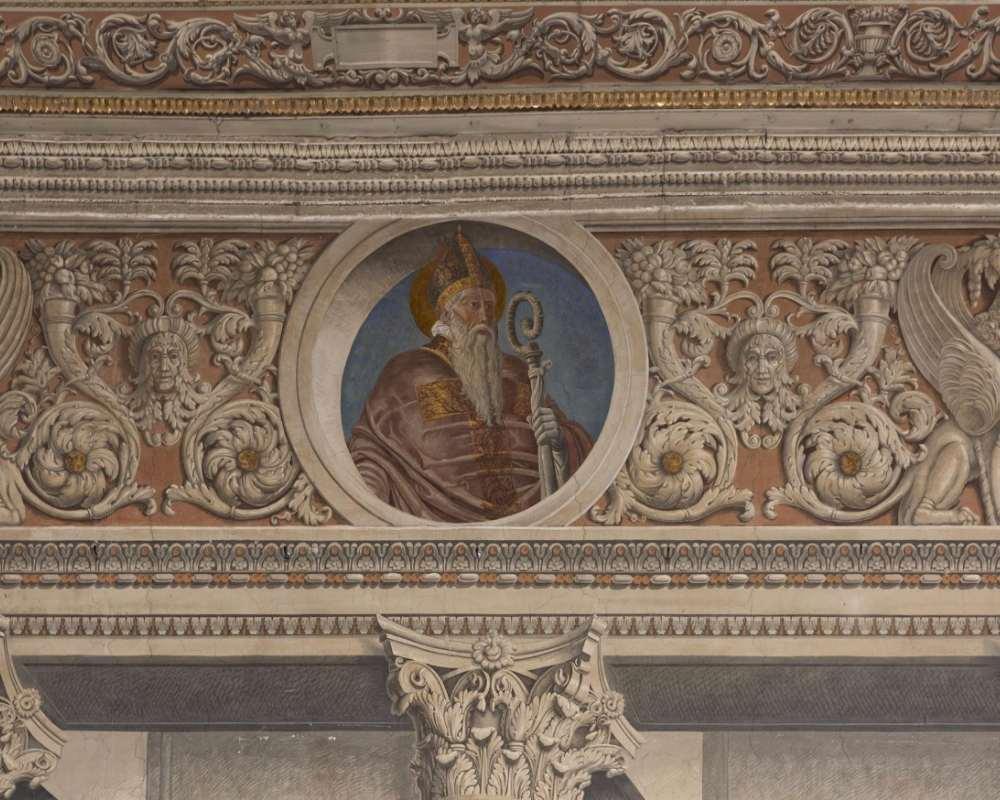
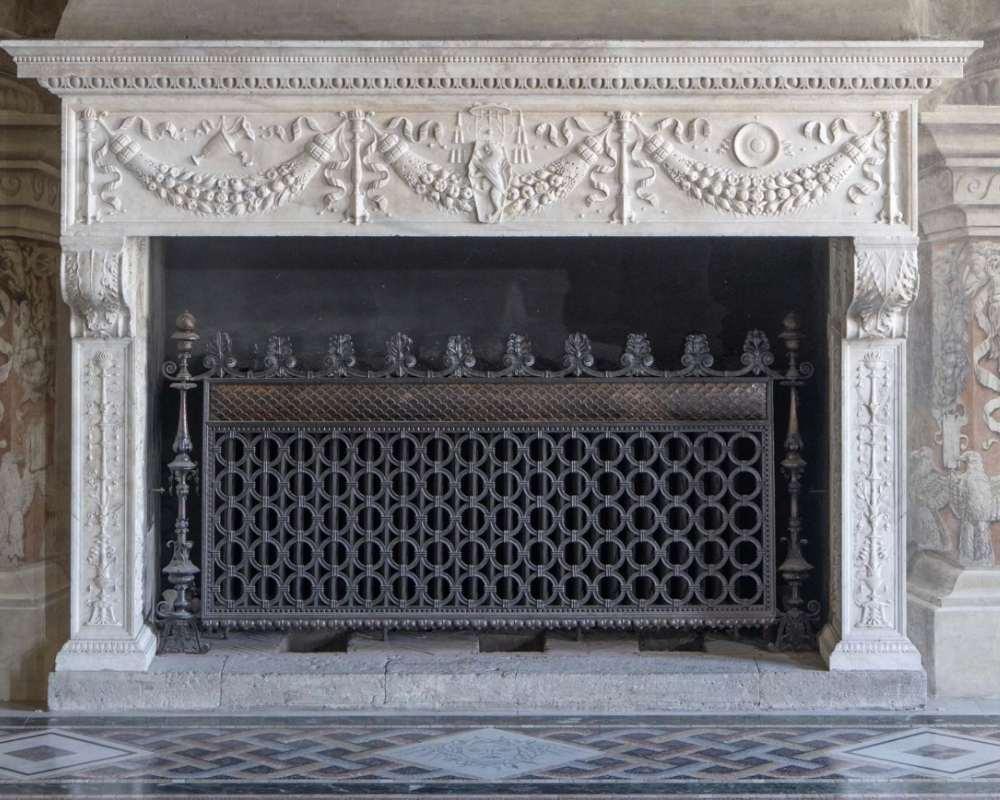
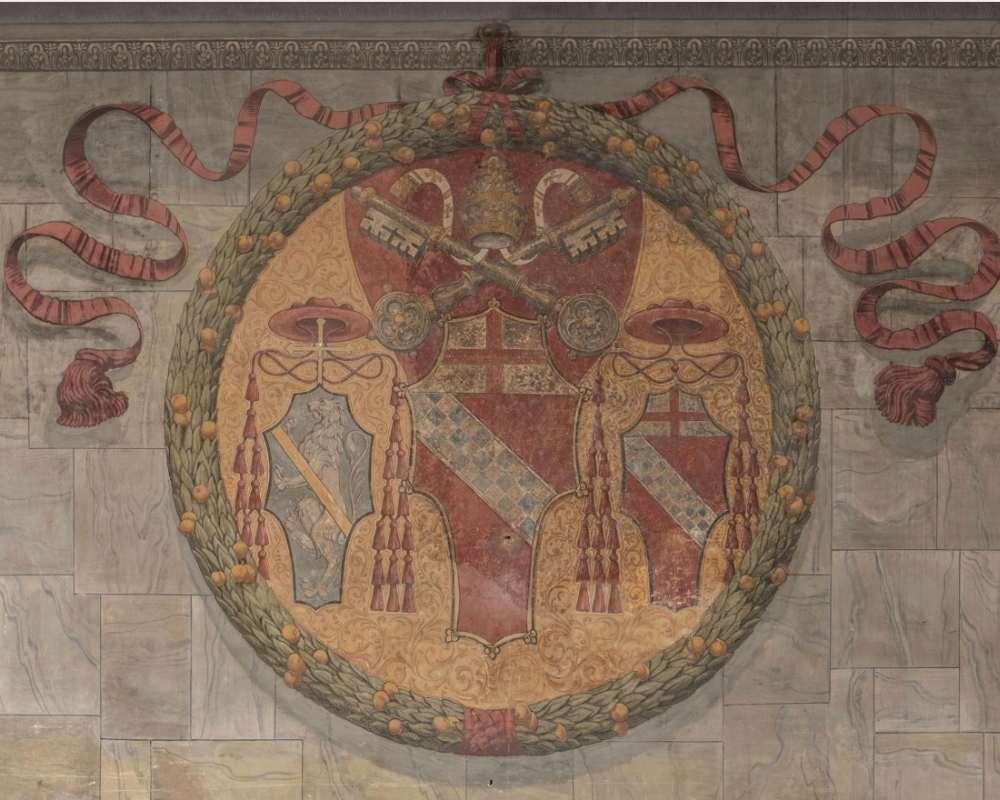
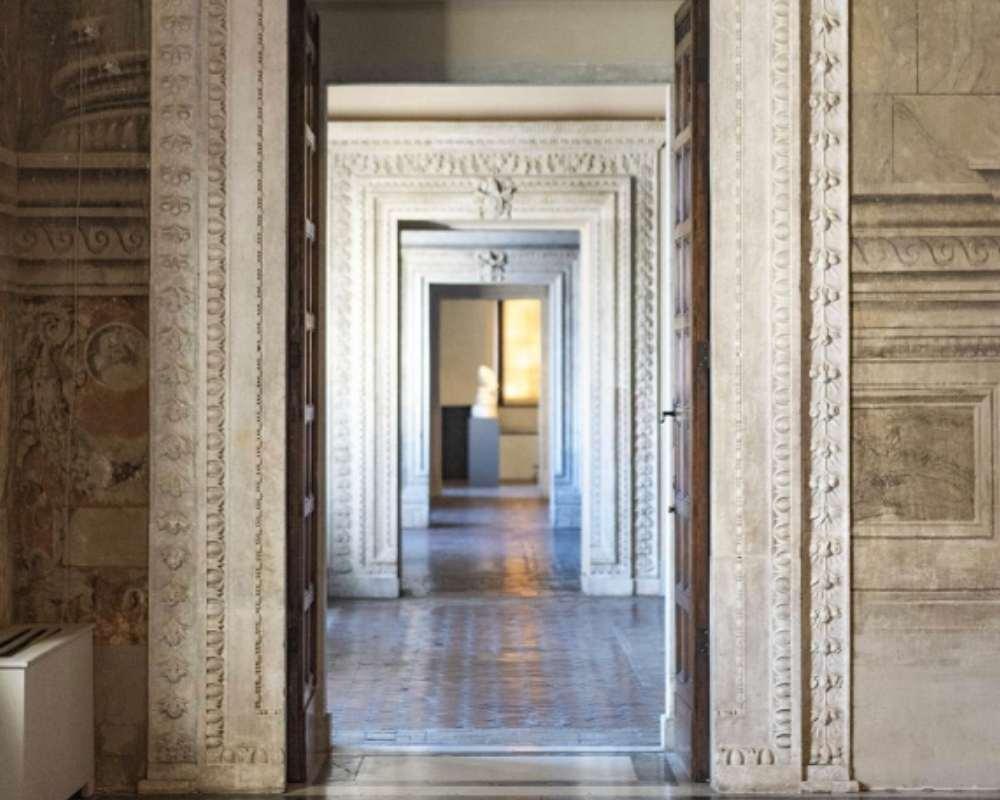
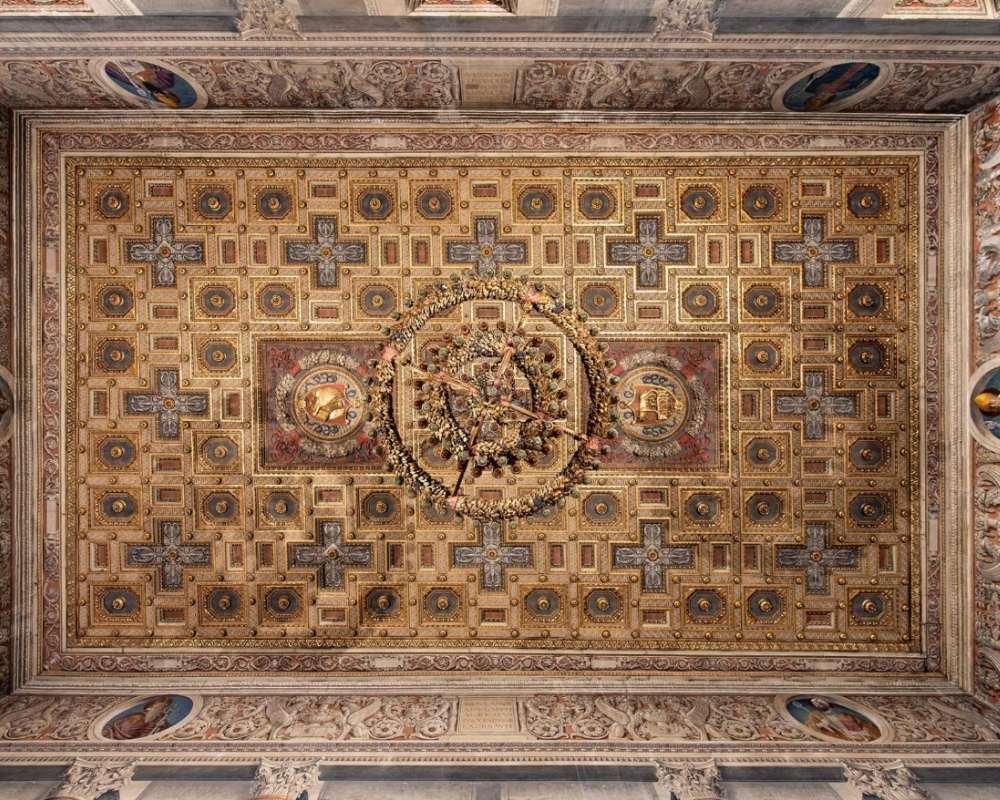
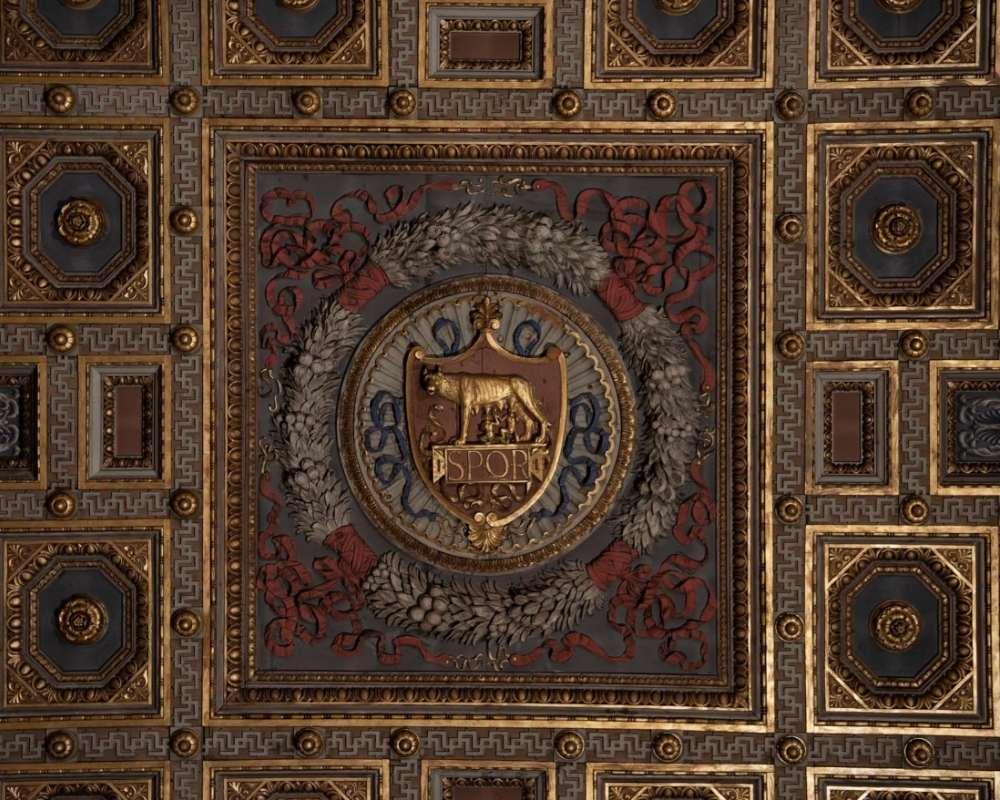
The richness and complexity of these rooms are evidenced by the presence of both the Renaissance and its scholarly revival in the 1920s: the fifteenth-century frescoes and sculptural decorations, visible in the doorjambs and the large fireplace of Sala del Mappamondo, stand alongside and overlap with wooden ceilings, chandeliers, and wall paintings created five centuries later under the guidance of Superintendent Federico Hermanin.
Throughout the centuries, these spaces have been the stage for historical and cultural events of great significance, some truly extraordinary: from the visit of Erasmus of Rotterdam in 1509 to the meetings of Pope Paul III Farnese with Emperor Charles V and with Michelangelo (the latter summoned to discuss the Last Judgment in the Sistine Chapel); from a concert by the young Wolfgang Amadeus Mozart to the conducting of Gioachino Rossini’s Stabat Mater, culminating in the crucial events of the twentieth century, such as the announcement of Italy’s entry into World War II.
To learn more about Sala del Mappamondo
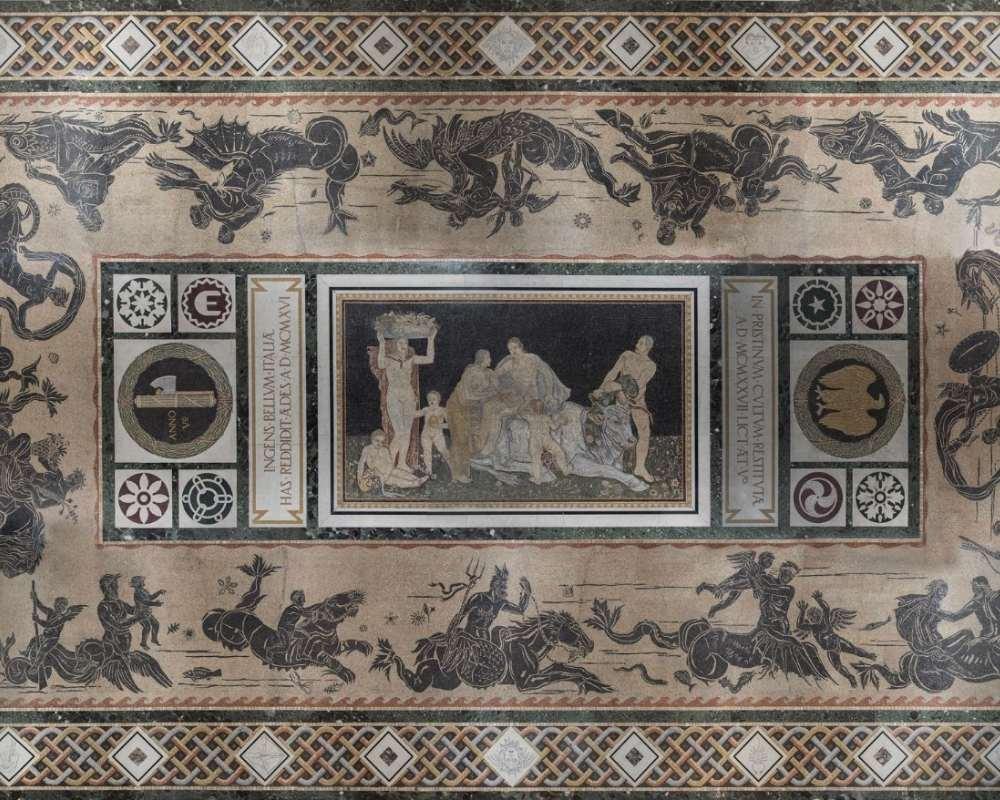
To learn more about Sala delle Battaglie
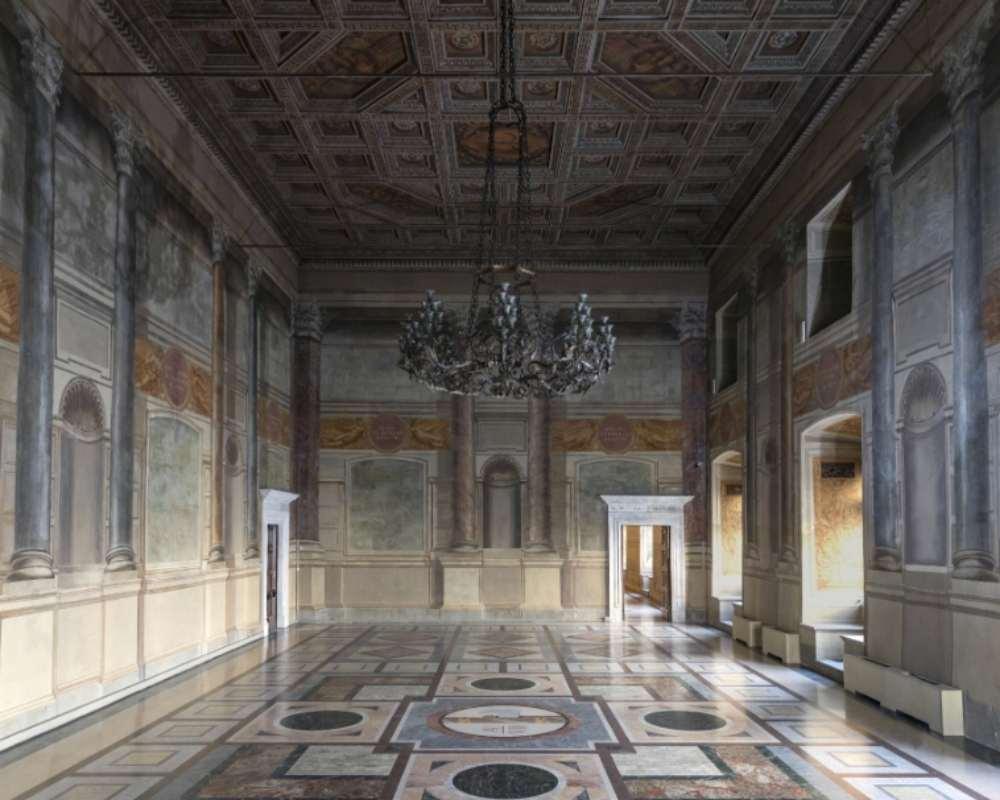
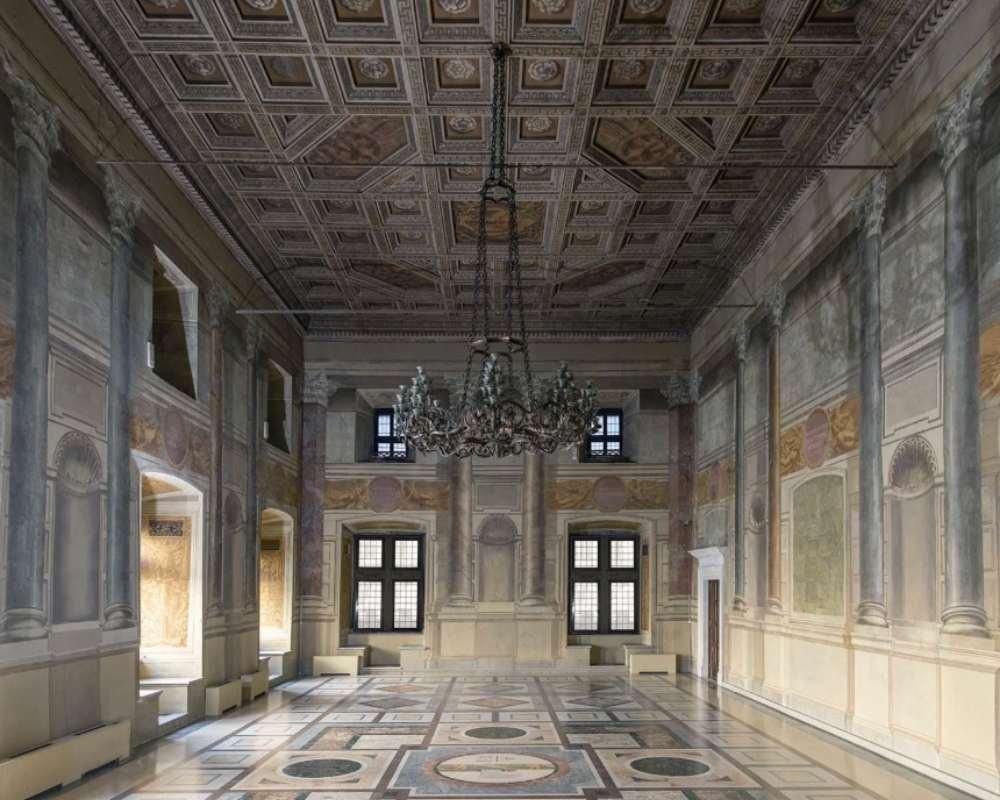
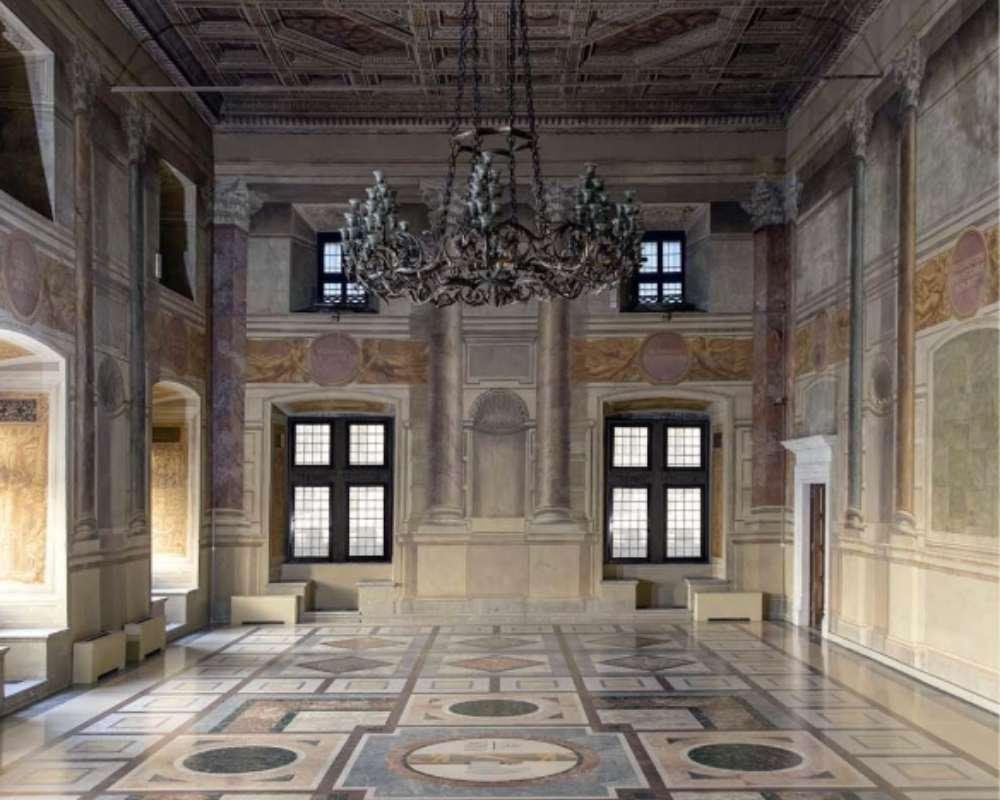
To learn more about Sala Regia