Vittoriano


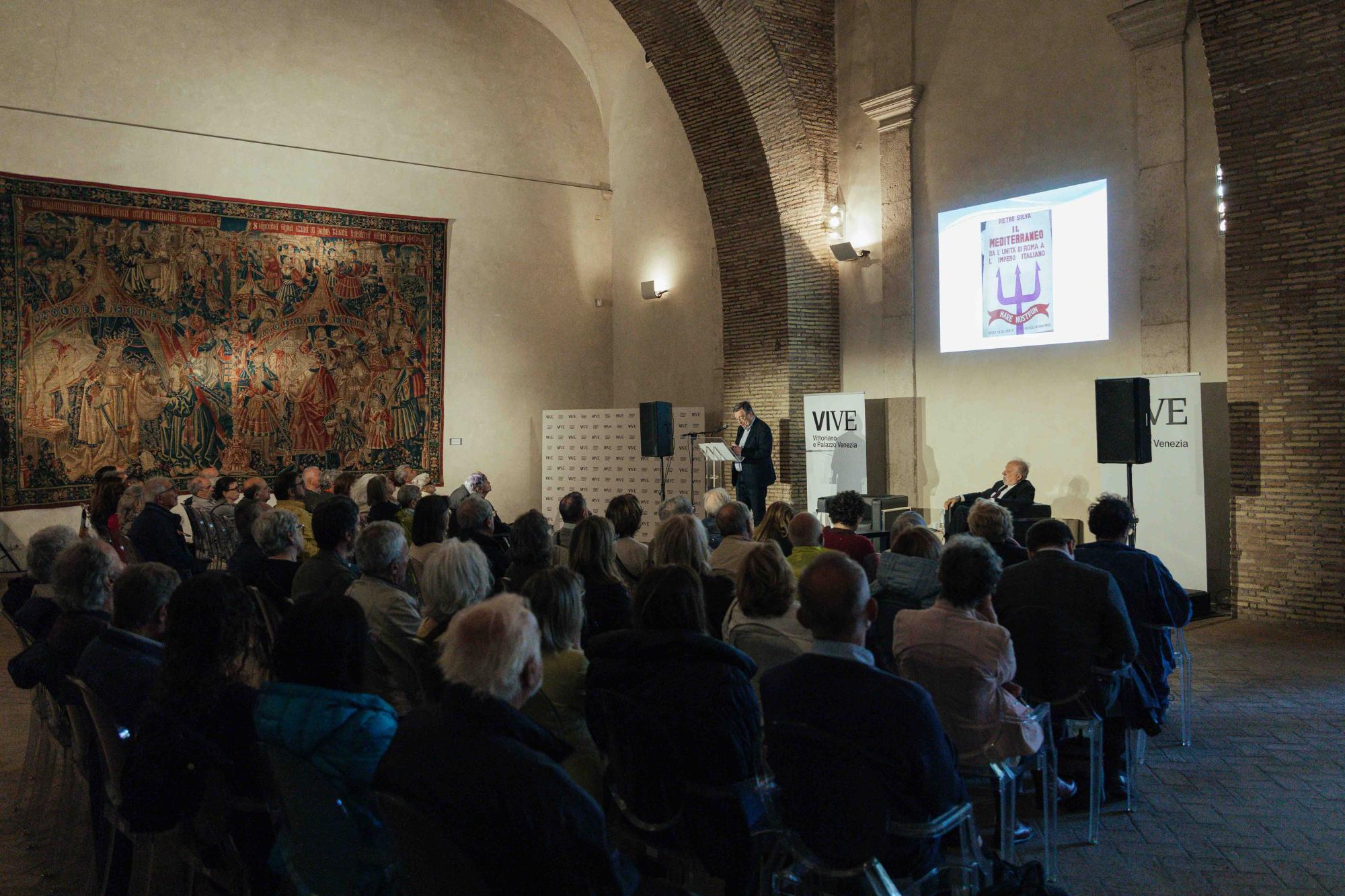
CYCLE: Rome, Italy, and the Mediterranean
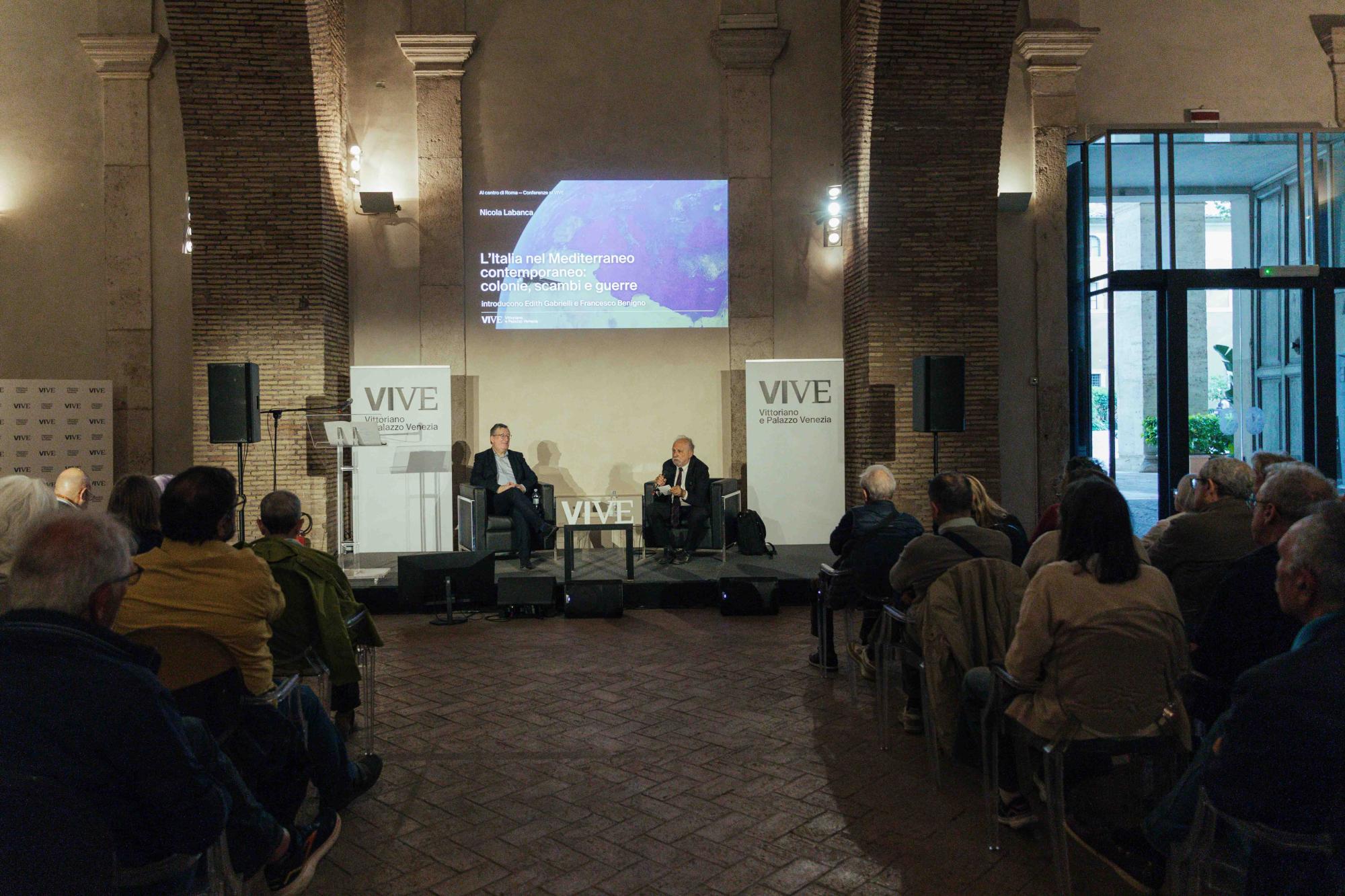
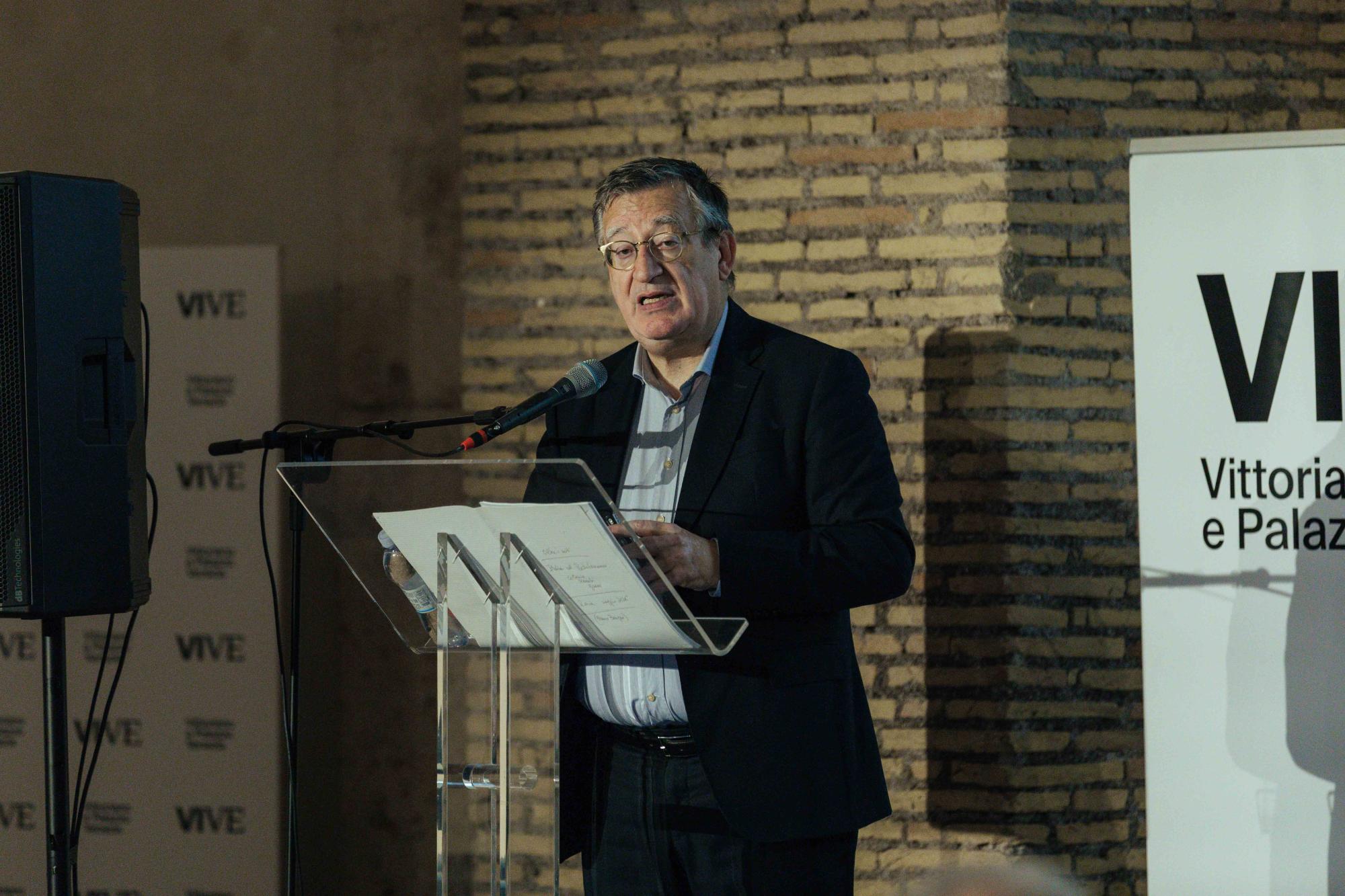
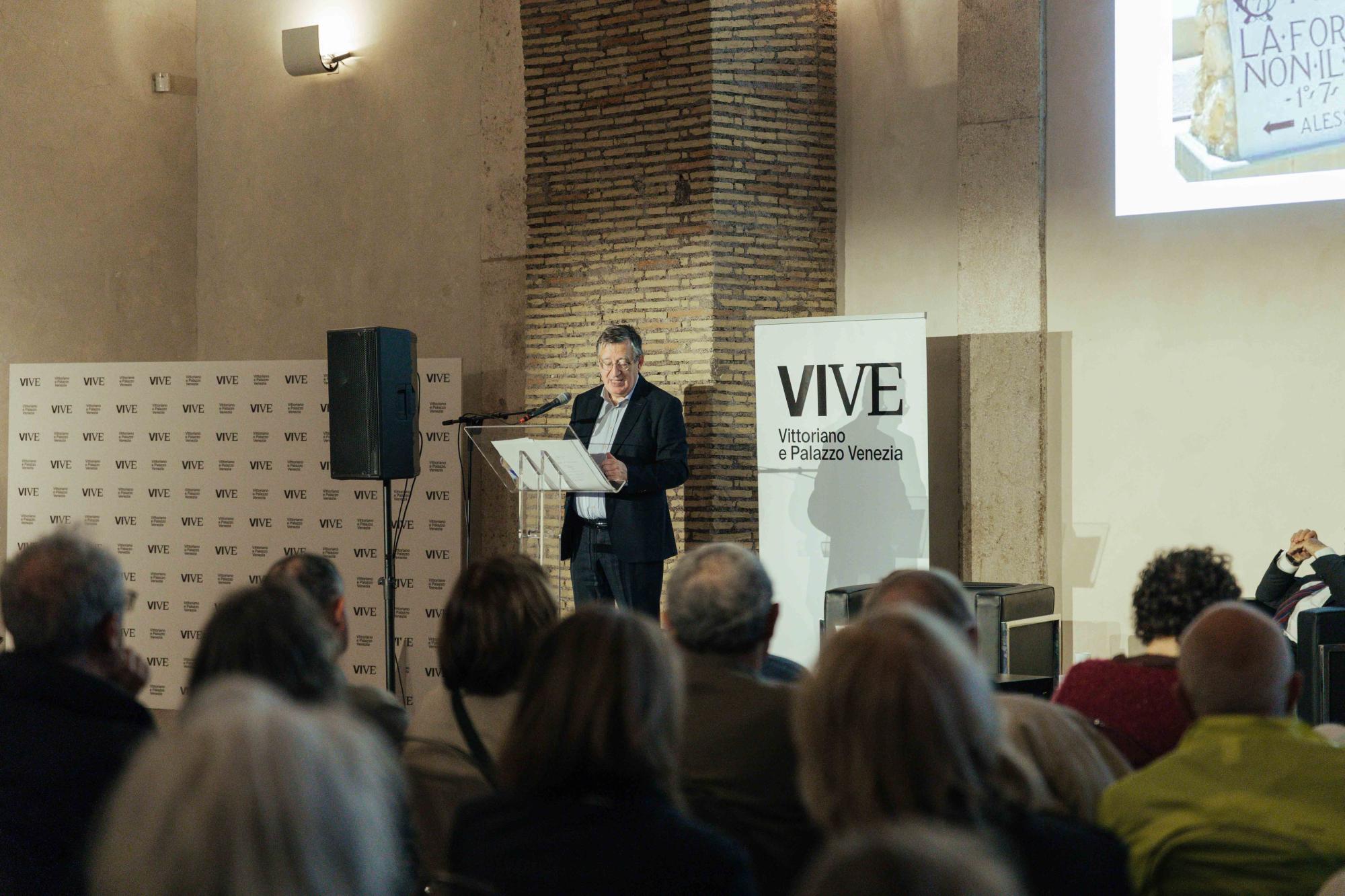
SPEAKER: Nicola Labanca
DATE: Thursday, May 14, 6:00 PM
Italy’s positioning within the Mediterranean in the 19th and 20th centuries shifted dramatically compared to previous centuries. During this period, Italy existed as a unified State, no longer merely a "geographical expression" or a cultural entity. Furthermore, it experienced a succession of different political regimes: within the same century, the first unified monarchical and liberal Italy gave way to the Fascist regime and, finally, to a republican democracy. All of this occurred while the Mediterranean itself, and the countries bordering it, underwent significant transformations, specifically those on the southern and eastern shores, which transitioned from colonial possessions of European powers to independent States through decolonization.
There are numerous profiles and levels through which the positioning of these "Italies" (Liberal, Fascist, Republican) could be analyzed. This lecture focuses on three of the most significant, which are sometimes undervalued today. In the first half of the 20th century, Italy was a major Mediterranean colonial power, though it lost all its possessions between 1943 and 1949. Moreover, in both the first and second halves of the century, it remained vitally linked to the Mediterranean economically, albeit in very different ways. Finally, in both World Wars and subsequently during the Cold War, Italy was a prominent military actor in the conflicts fought within the Mediterranean.
By examining colonies, trade, and wars, it is possible to rapidly retrace Italy's changing Mediterranean role over the past century, while gaining insight into the reasons behind its current role in the present century.
Nicola Labanca is Full Professor of Contemporary History in the Department of Historical Sciences and Cultural Heritage at the University of Siena. He studies the history of unified Italy from the perspectives of colonial expansion and military history. In June 2025, he received the Feltrinelli Prize for History from the Accademia dei Lincei. He served as the editor (2013–2021) of the journal Italia contemporanea and co-editor of I sentieri della ricerca (edited by Angelo Del Boca). Since 2002, he has been the president of the Inter-University Center for Military-Historical Studies and Research.
His recent publications include the second edition of Oltremare. Storia dell’espansione coloniale italiana (2025) and Studi storici sul colonialismo italiano. Bibliografia (2000-2024) (2024). He also edited Una diversa narrazione del passato coloniale. Studi su Angelo Del Boca (2024).