Vittoriano


CICLO: Rome, Italy, and the Mediterranean
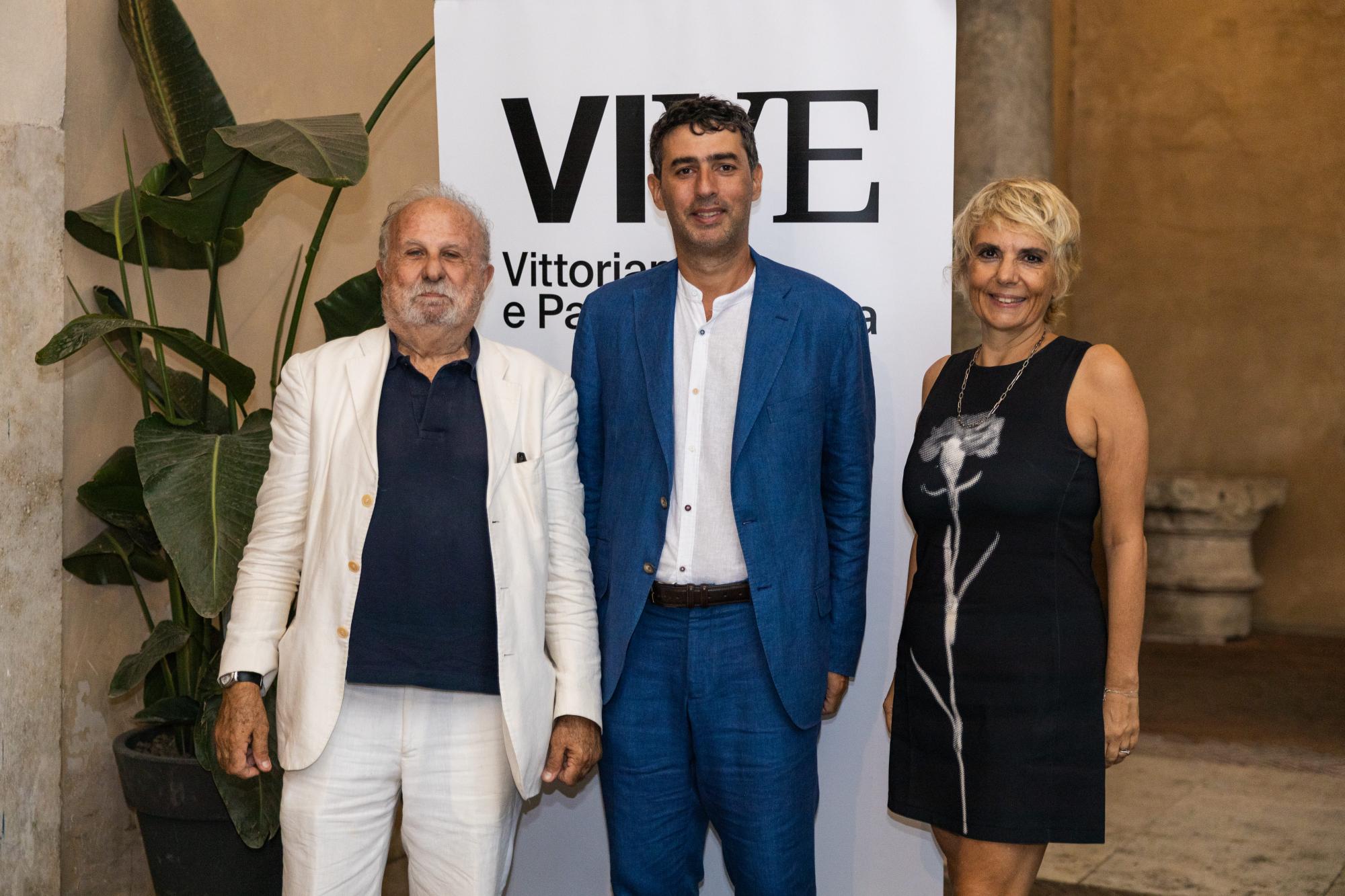
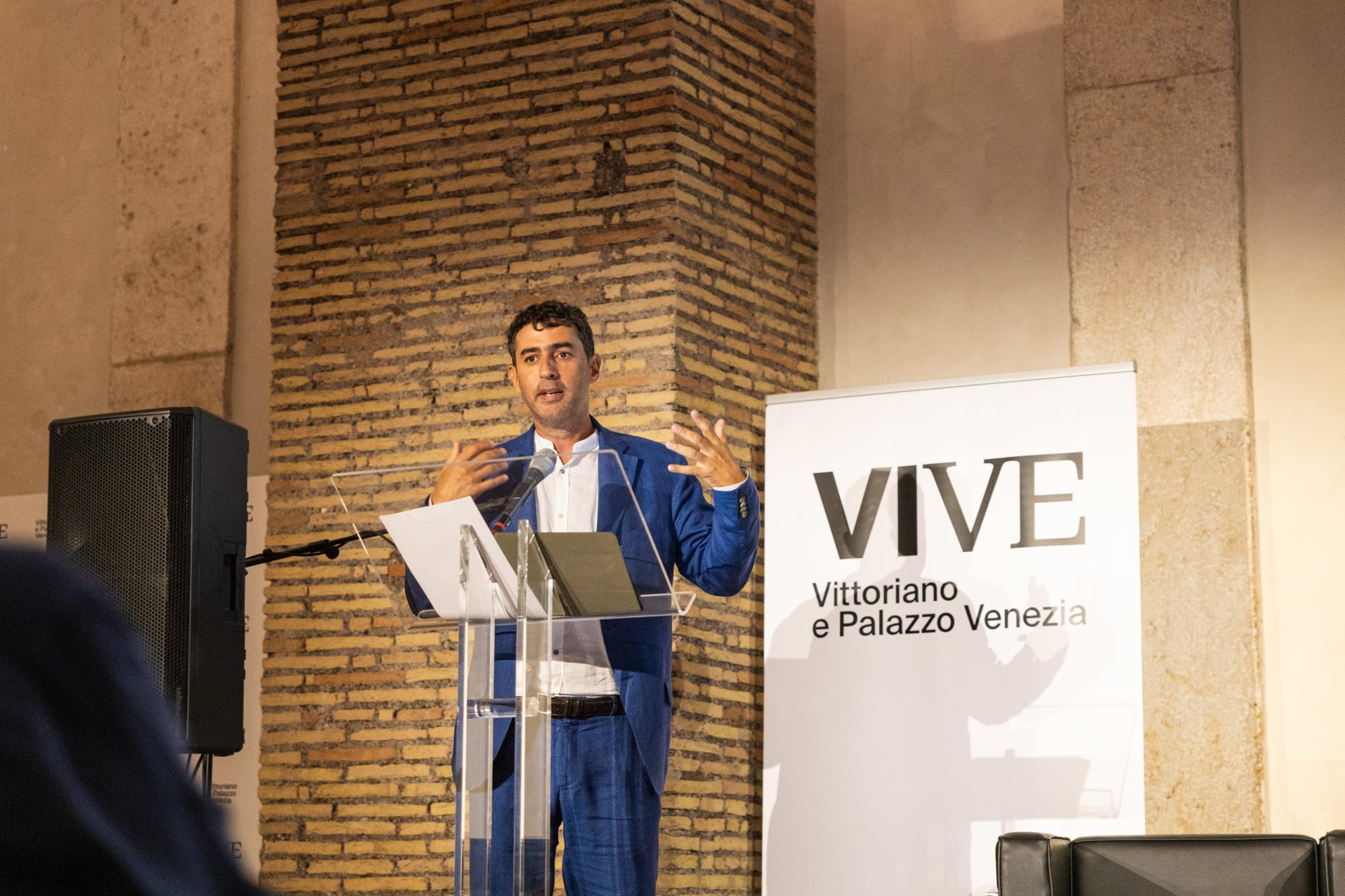
RELATORE: Carlo Taviani
DATE: Thursday, September 10, 6:00 PM
Rome, 1475: the cargo of a Portuguese caravel is recorded in the customs registers. Ivory, ostrich feathers, lion skins, a few monkeys and, on the same list, men and women from the coast of West Africa registered as merchandise. In the preceding decades and centuries, these products, gold, and people reached Italy across the Sahara and then by sailing the Mediterranean. In the Renaissance, however, Rome was one of the arrival points of a new route connecting the Mediterranean to the Atlantic and the Gulf of Guinea. Behind the customs entry lay a dense commercial network: not only the Portuguese, but also groups of merchants from several Italian cities, such as Genoa, Florence, Cremona, and Venice, who connected Italian courts with North Africa, the Sahara, sub-Saharan Africa, and, shortly thereafter, the New World. By following the history of some of these merchants, this presentation reconstructs the inner workings of a complex commercial and productive system, which was at the origin of the development of capitalism and the Atlantic slave trade.
Carlo Taviani is an associate Professor of Early modern history at the University of Teramo. He earned his Ph.D. from the University of Perugia and has conducted research at prestigious international institutions, including Harvard, Yale, Chicago, and the University of Zurich. He is the author of numerous studies on the economic, social, and global history of the early modern period, with a particular focus on the Mediterranean and the Atlantic.