Vittoriano


CYCLE: The Dialogues of Rome. Europe, Asia and Africa around the Mediterranean
SPEAKER: Massimiliano Papini
DATE: Thursday, March 19, 6:00 PM
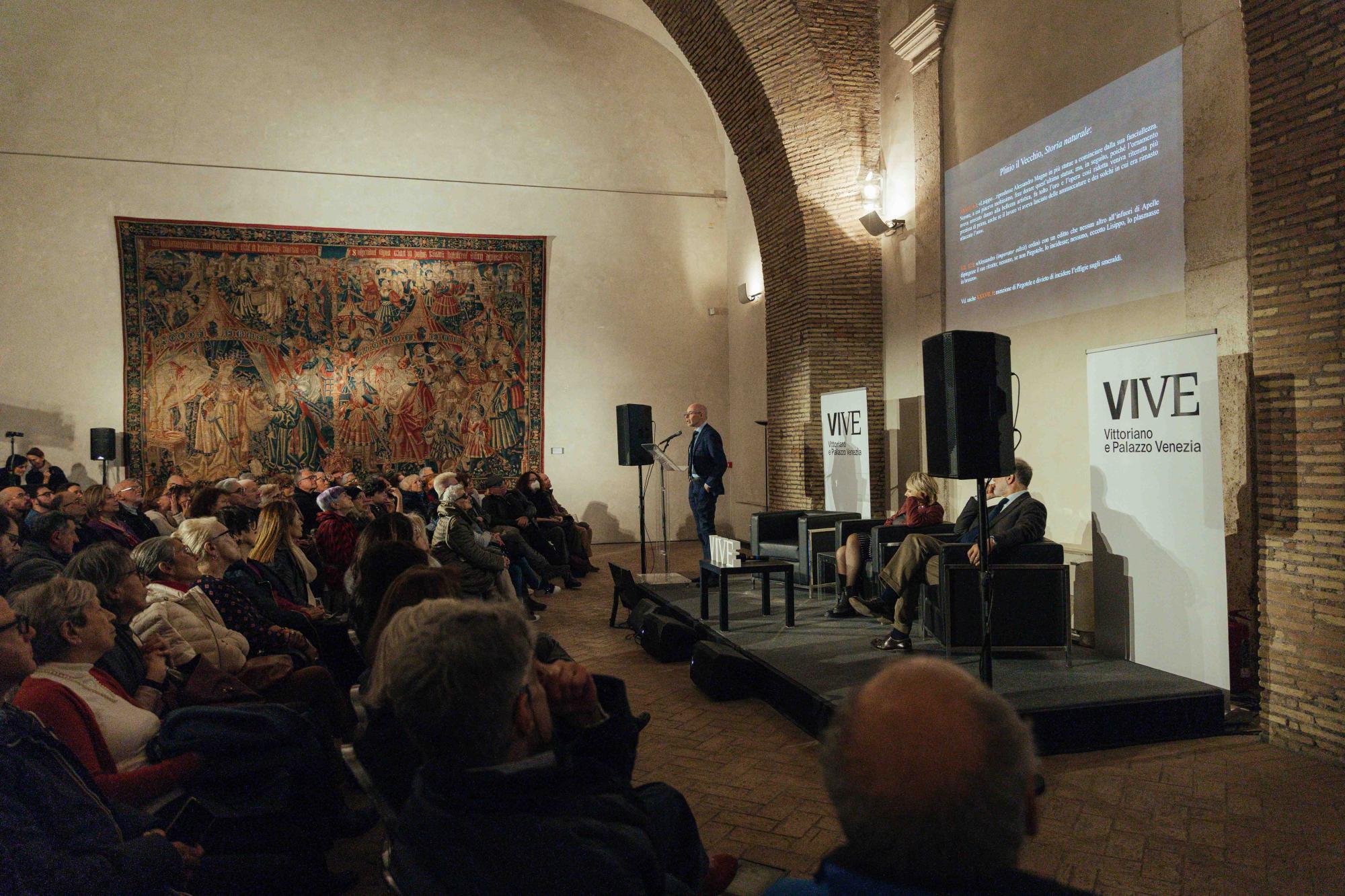
Stories of a young king who would change the world. According to a collection of anecdotes about kings and strategists attributed to Plutarch, captains approached him on the eve of a battle, worried: "Everything ready, Alexander?" to which he replied: "Everything, except for shaving the Macedonians' beards." Parmenion, his general, widened his eyes: "But... don't you know that in war, a beard is a better grip?" It was just a quip, because even the great commander preferred to remain clean-shaven, defying tradition. Until then, almost all men of power—from generals to politicians—had worn beards as a sign of maturity and authority. But Alexander ascended the throne at twenty, within the age range of eighteen to thirty that, according to custom, did not yet require one. The Macedonian had a keen eye for the greatest artists of his time, such as Lysippos and Apelles. We can only attempt to reconstruct the appearance of these images by following the tracks left by ancient copies and descriptions. And this is where Rome enters the scene. For the Eternal City, too, will play a role: not as an enemy, but as the guardian of the legend.
Massimiliano Papini is a Professor of Archaeology and History of Greek and Roman Art at the Department of Classics, Faculty of Letters and Philosophy, Sapienza University of Rome. Interested in numerous aspects of the ancient world, he specializes in the study of figurative arts and has participated in the analysis of the exceptional bronzes from the Etruscan-Roman sanctuary of Bagno Grande in San Casciano. Since 2012, he has been a corresponding member of the German Archaeological Institute, and since 2025, he has served as the Director of the Museum of Classical Art (Polo Museale-Sapienza Cultura). His numerous publications include: Palazzo Braschi. La collezione di sculture antiche (Rome, 2000); Antichi volti della repubblica. La ritrattistica in Italia centrale tra IV e II secolo a.C. (Rome, 2004); Munera gladiatoria e venationes nel mondo delle immagini (Rome, 2004); «Pendono interrotte le opere». Antichi monumenti incompiuti nel mondo greco (Rome, 2019); and Arte romana (Milan, 2021). For Laterza, he is the author of Città sepolte e rovine nel mondo greco e romano (2011), Fidia. L’uomo che scolpì gli dei (2014), and Il riposo dell’imperatore. L’otium da Augusto alla tarda antichità (2023).