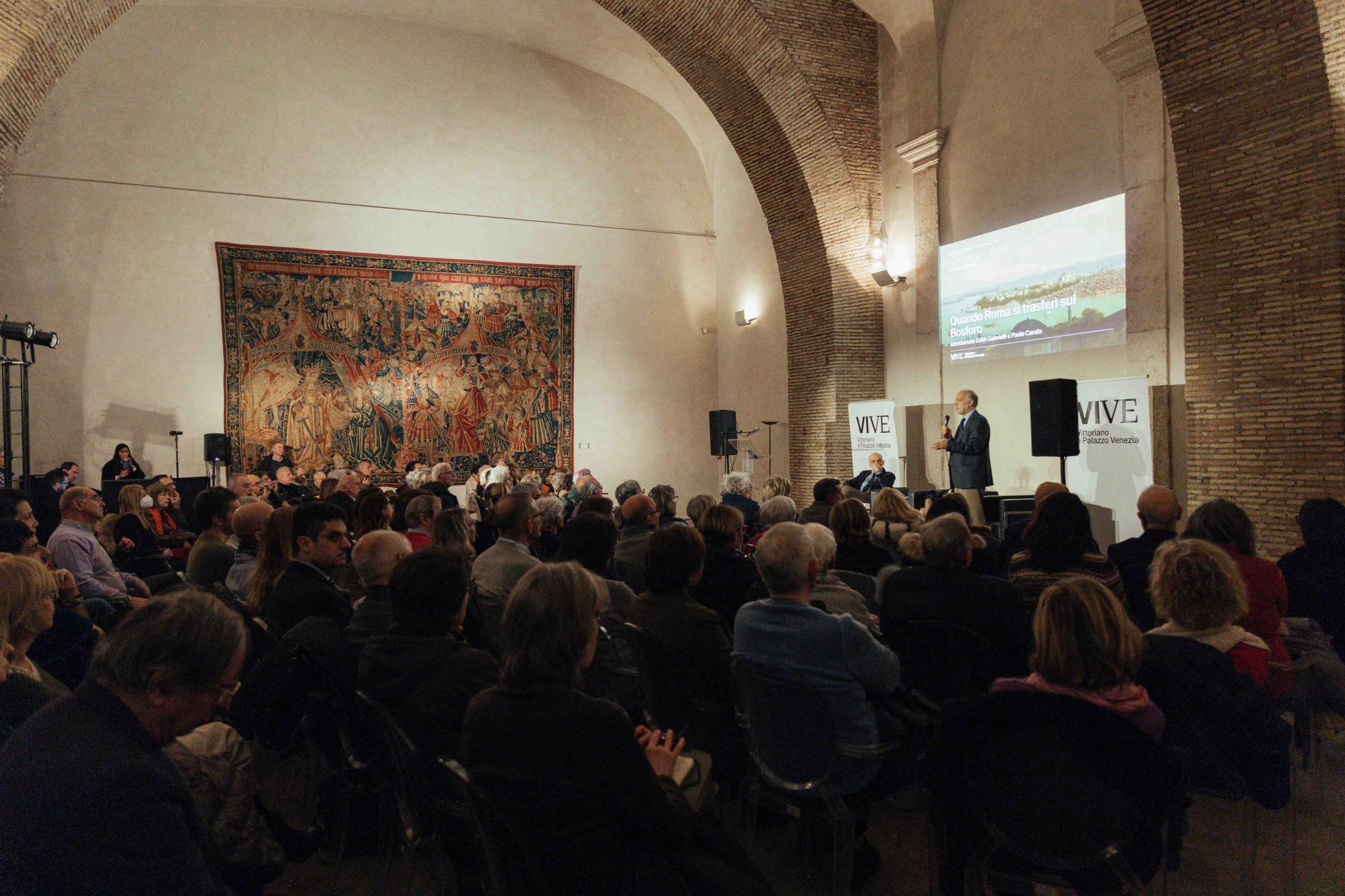
Vittoriano


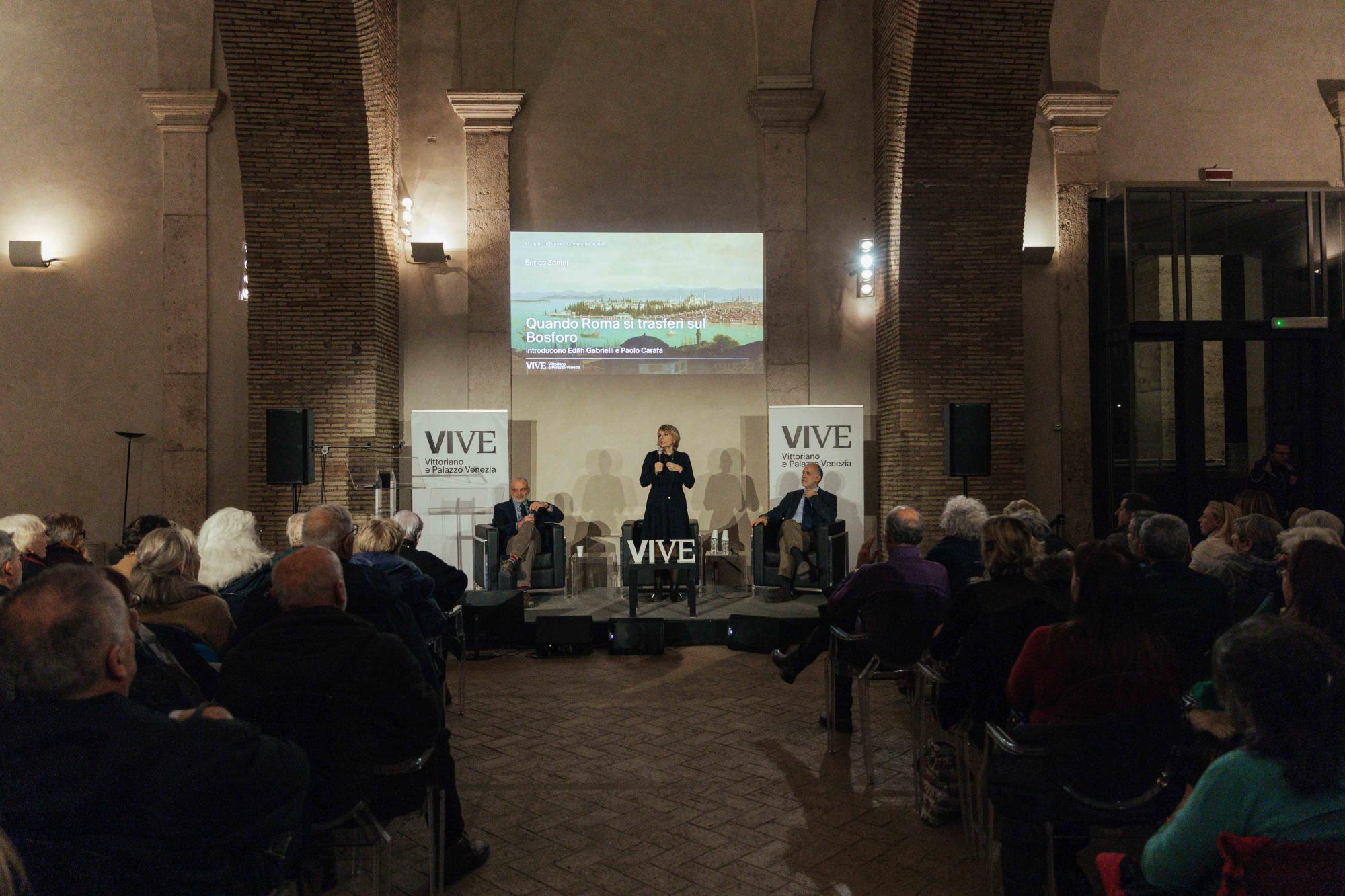
CYCLE: The Second Millennium of Rome
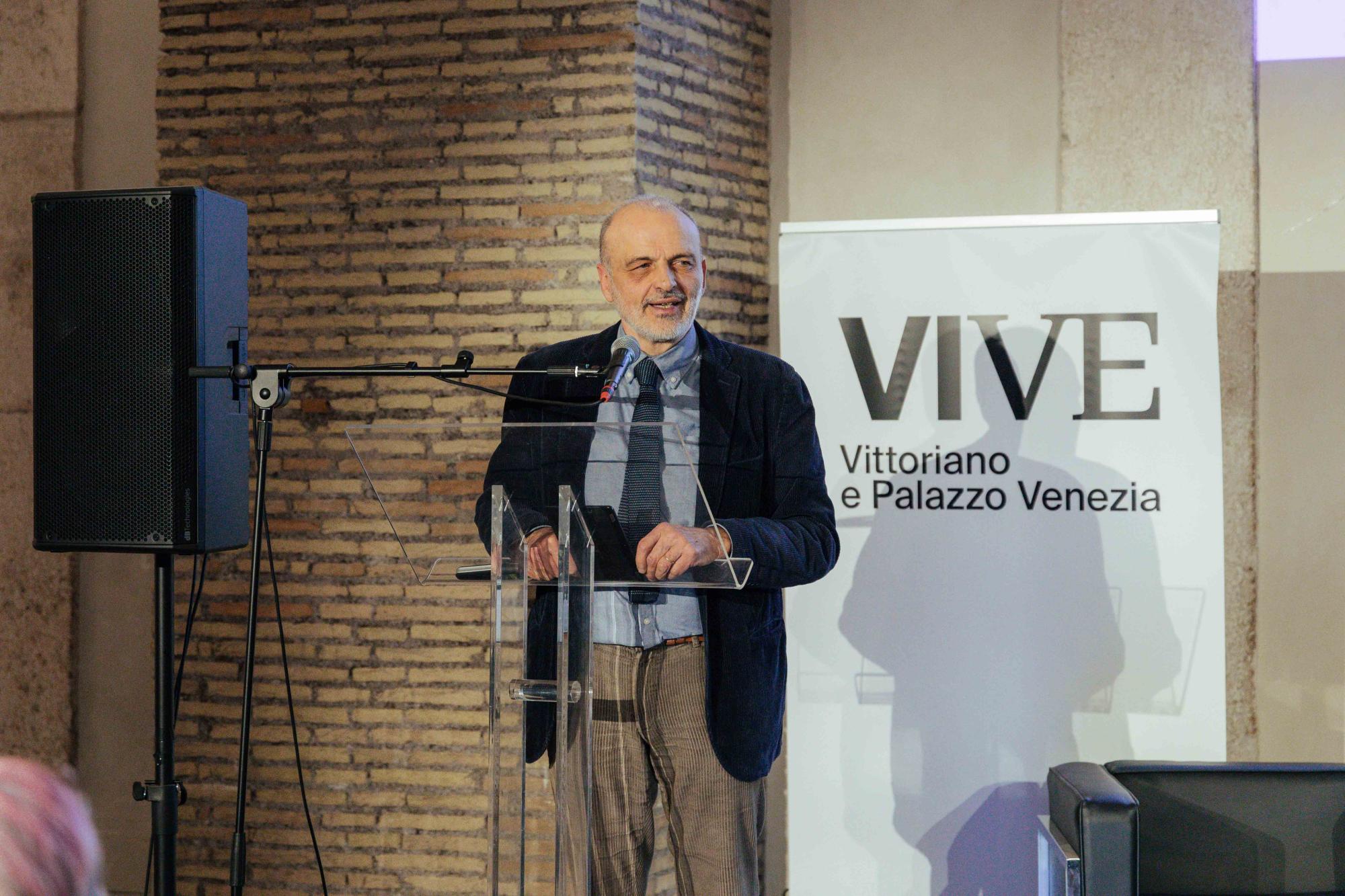
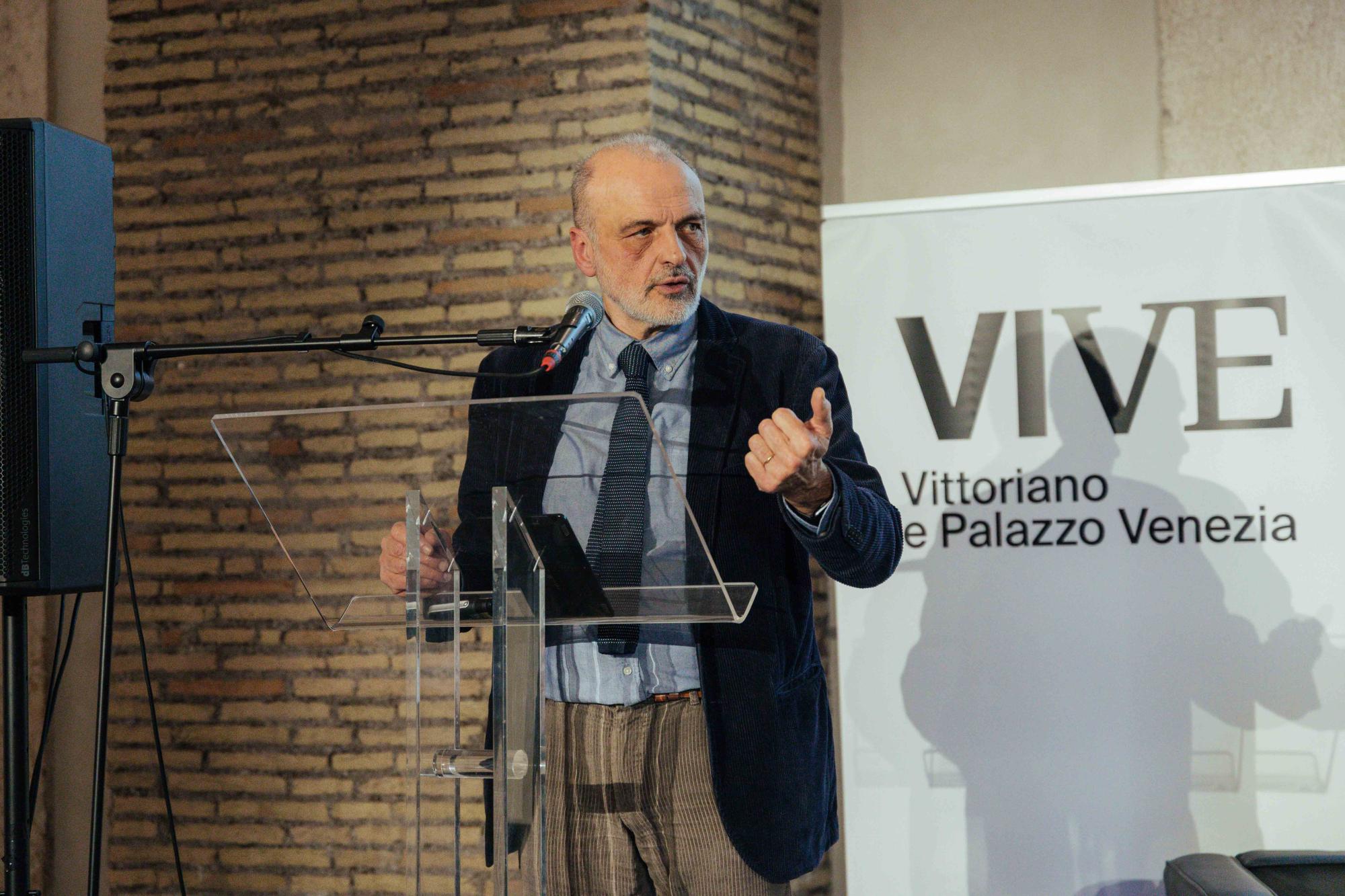
SPEAKER: Enrico Zanini
DATE: Thursday, January 29th, 6:00 PM
In the thousand-year history of Ancient Rome, a decisive turning point was marked by Emperor Constantine's decision to establish a "New Rome" on the western shore of the Bosphorus. Constantinople, founded in 324 AD and inaugurated six years later, was conceived not so much as an alternative capital to Rome, but rather as a "dynastic" capital, intended to serve as the seat of the rising Constantinian dynasty.
However, events only partially followed Constantine's original intentions. The process of structuring New Rome proved to be far longer and more complex than anticipated; the birth of the city as the capital—first of the Eastern Roman Empire and later of the Byzantine Empire—was only completed a couple of centuries later. In the meantime, the entire Mediterranean world had undergone a complete transformation. For the next millennium, Constantine’s city would play a role that its founder could never have imagined, yet it remained perpetually linked to "Old Rome" on the banks of the Tiber.
Enrico Zanini is a Full Professor of Archaeological Research Methodologies at the University of Siena, where he also teaches Late Antique Archaeology and Byzantine Archaeology. He has conducted excavations and research in Rome, throughout Italy, and across various regions of the Eastern Mediterranean. He currently directs investigations at the Roman, Late Antique, and Early Medieval site of Vignale (Piombino), as well as the Byzantine Quarter of the Pythion in Gortyn (Crete), the latter in collaboration with the Italian School of Archaeology at Athens. He is the author of approximately 200 publications, including four monographs, one of which is dedicated to Constantinople (Rome 2022).