Vittoriano


CYCLE: Rome, Italy and the Mediterranean
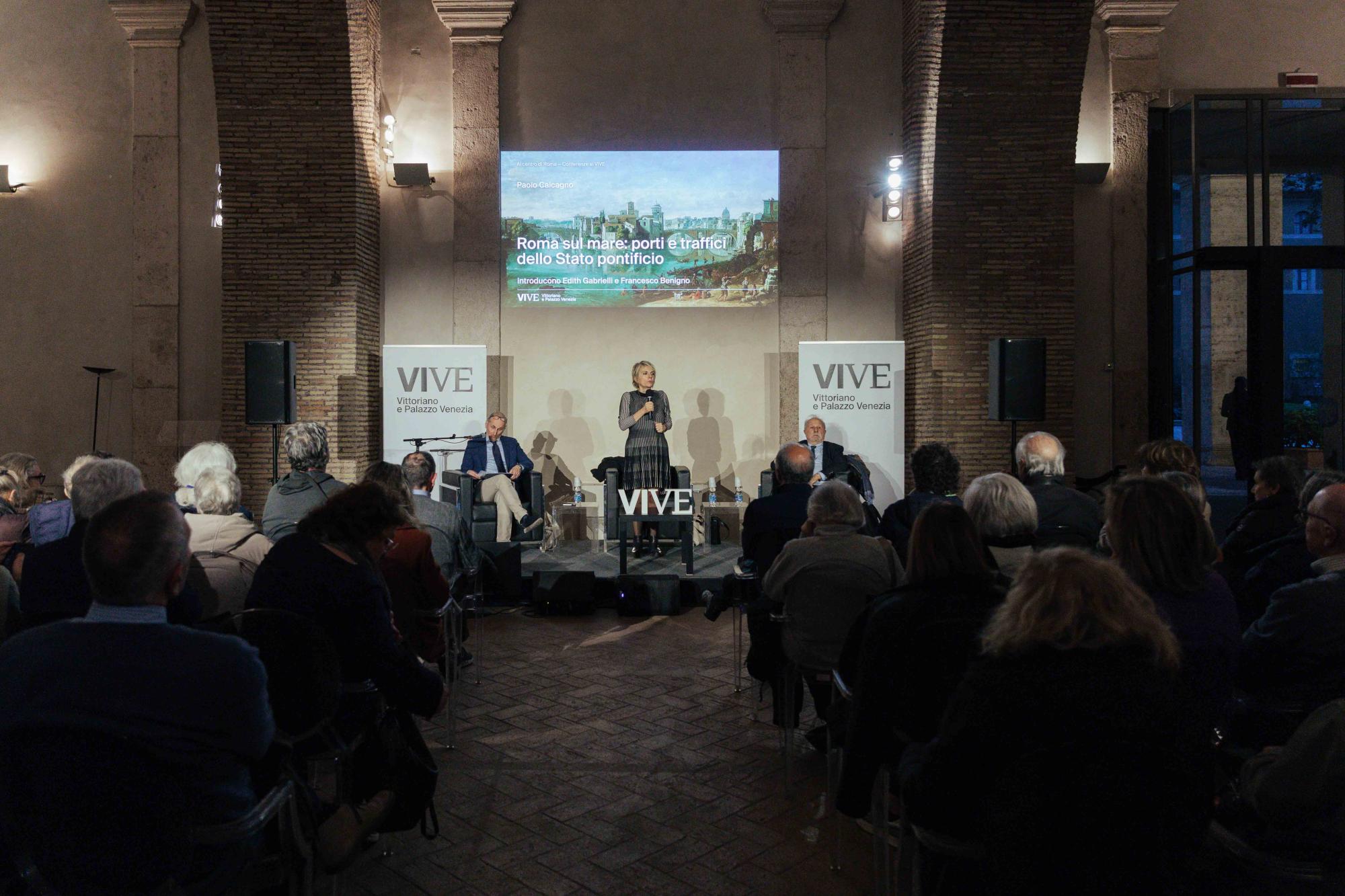
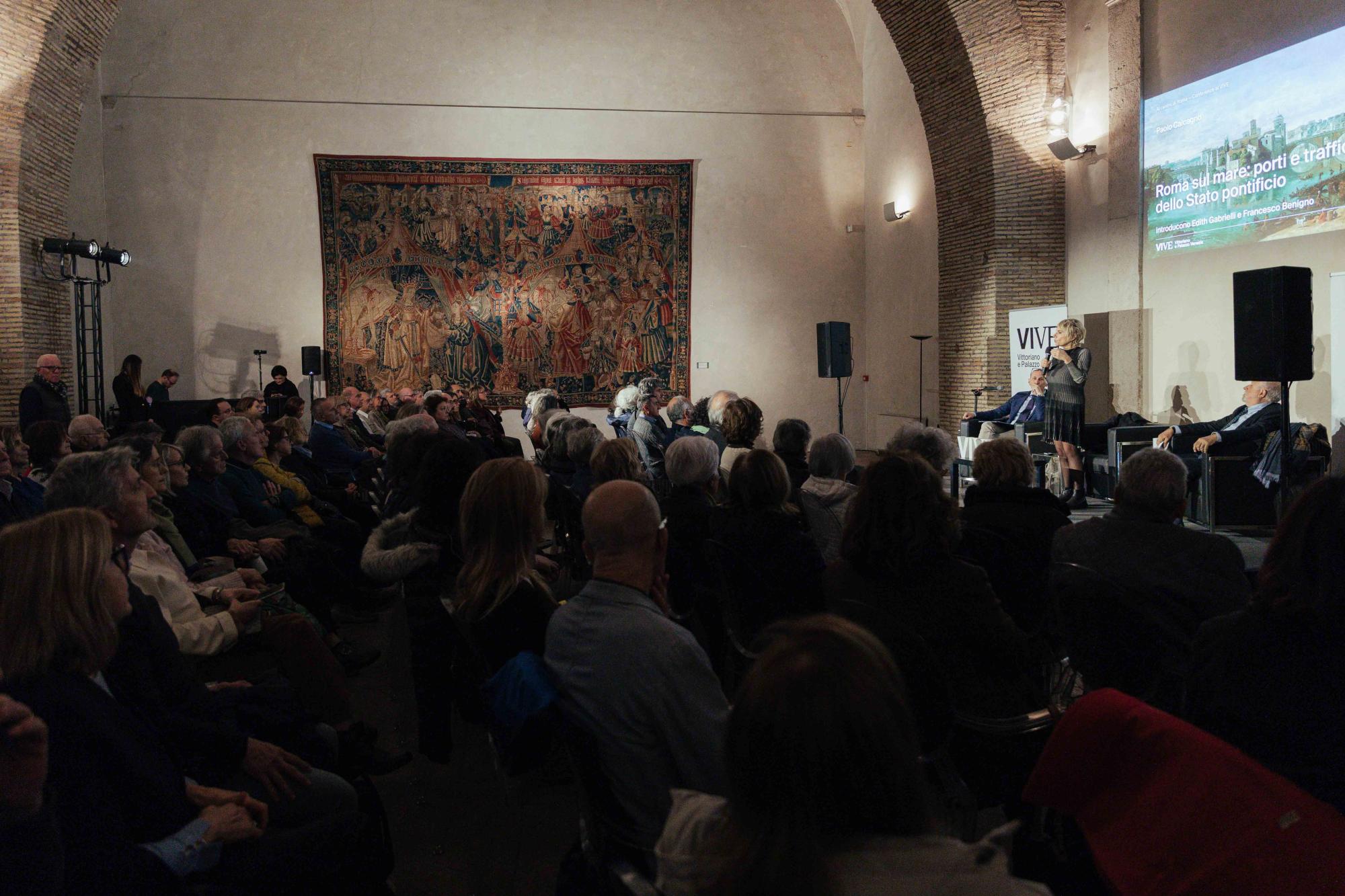
SPEAKER: Paolo Calcagno
DATE: Giovedì 5 marzo, ore 18:00
In common understanding, the history of Rome in the early modern period is predominantly that of the Papacy, pontifical institutions, and the Renaissance and post-Tridentine Church in its many dimensions. However, if we shift perspective, although Rome was not a port in the traditional sense, it possessed two river docks (Ripa Grande and Ripetta) and sat at the center of a two-pronged maritime system—partly Tyrrhenian, partly Adriatic—centered on Civitavecchia and Ancona. These two hubs, despite their differing histories, connected the Papal States to the Mediterranean and, to an extent, to the rest of the world, especially in the 18th century during an acceleration of global trade. For the rest, as contemporary portolan charts attest, the coast was "all beach," exposed to endemic and difficult-to-control smuggling. The most original and least-known aspect of this history is the mercantilist policy of Papal Rome, which chose to grant its white flag—depicting Saints Peter and Paul—with relative ease, even to foreign operators. This was a strategy to exert control over Mediterranean trade, which was contested by numerous actors, starting with the established operators from Northern Europe.
Paolo Calcagno is a Full Professor of Modern History at the University of Genoa. A member of the Laboratory of Maritime and Naval History –
“F. Braudel” Research Center, he primarily studies ports, trade, and maritime operators within the Mediterranean and Atlantic spaces. He belongs to numerous national and international research centers and serves on the scientific committees of specialized journals. He is the co-director of the book series Maritime Historical Studies. The author of around one hundred publications, his latest monograph is titled Ponente veneziano. Il rilancio dello shipping della Serenissima (1763-1797).