Vittoriano


CYCLE: The Rome Dialogues. Europe, Asia, and Africa around the Mediterranean
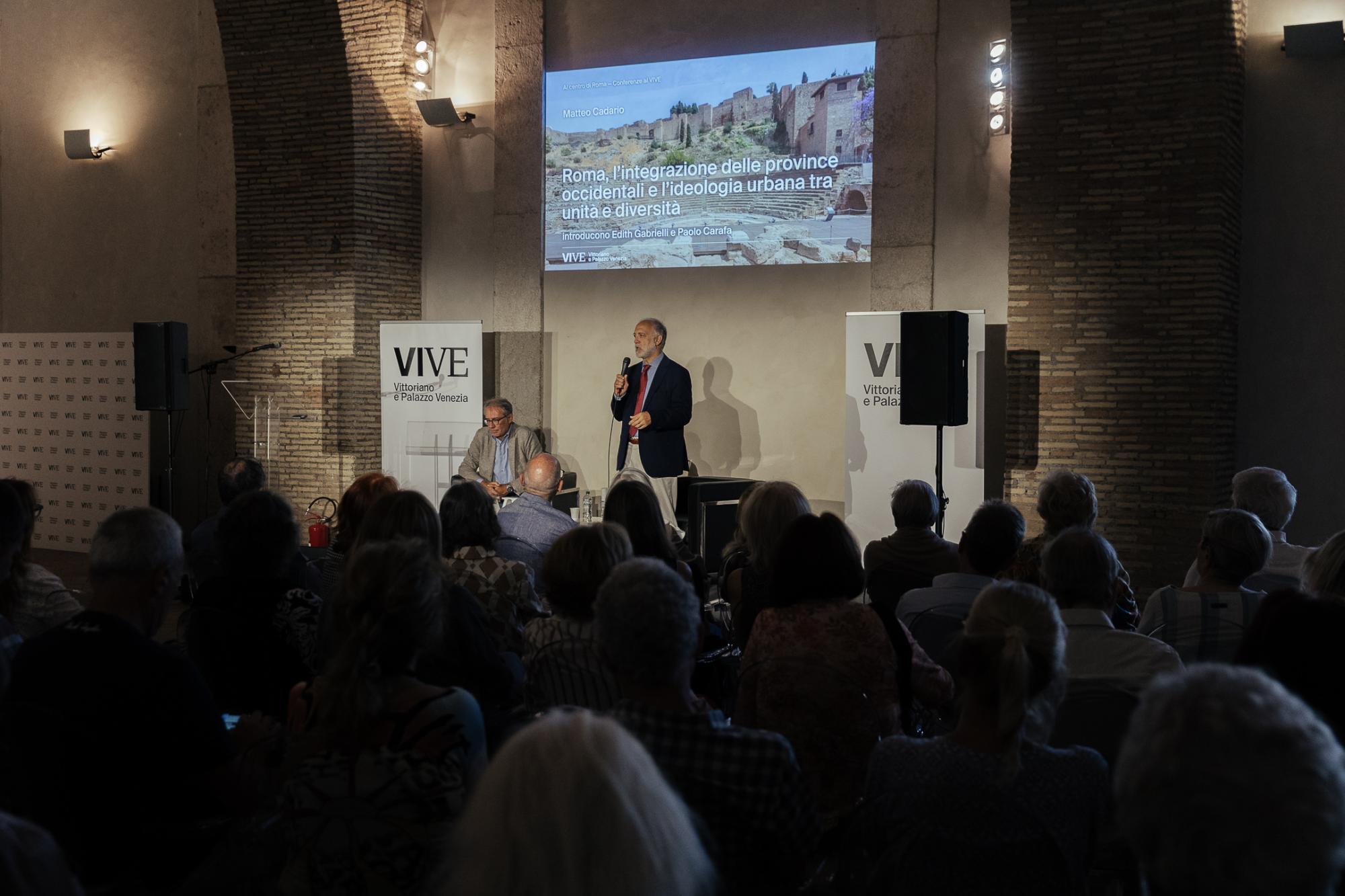
SPEAKER: Matteo Cadario
DATE: Thursday, June 4, 6:00 PM
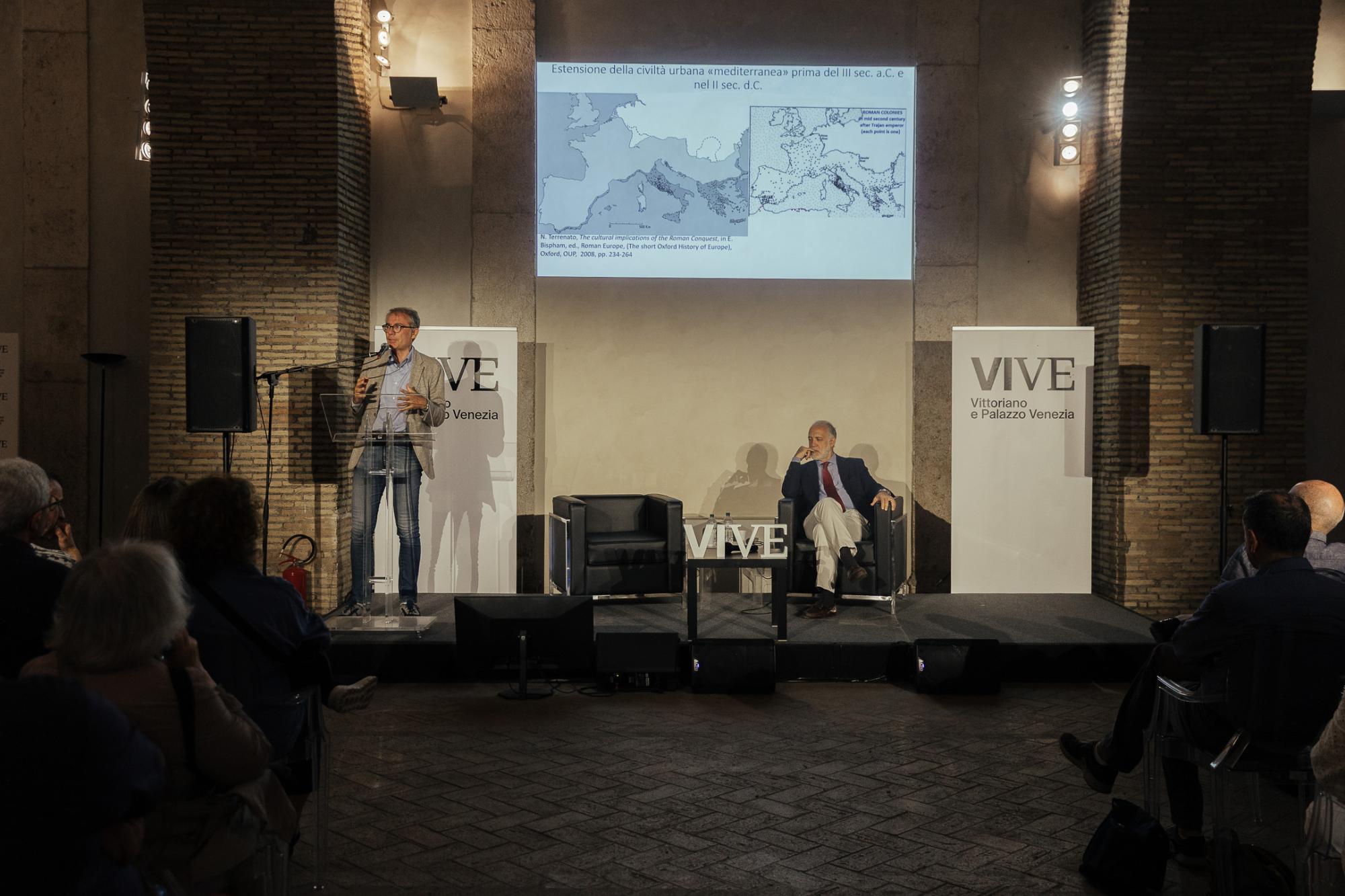
The Roman Empire was an empire of cities. Where the urban form did not exist, Rome imported it to build stronger relationships with conquered territories and local elites, who were progressively rewarded with citizenship, as Claudius did in 48 AD with the Gallic leaders. This process is particularly visible in the Western provinces, where walls, temples, entertainment venues, arches, squares, and honorary statues gave cities a uniform appearance and set of services. These were intended to unify the empire and assert Rome’s superiority, but also to engage local elites and encourage them to demonstrate their loyalty.
However, when this model is applied to concrete reality, it can offer surprises: it was the local communities themselves who commissioned new buildings and decided whom to honor and how. In doing so, they did not mechanically adopt inputs from the center but adapted them to their own needs, ambitions, and traditions. The purpose of this lecture is to reflect on these differences and on the dialogue between Rome and its Western provinces.
Matteo Cadario is Full Professor of Classical Archaeology at the University of Udine, director of the excavations at the Great Baths of Aquileia, and co-curator of the exhibition La pietra di Luna. Il marmo di Luni e l’impero di Roma (Genoa, 2024). His research focuses primarily on Hellenistic and Roman sculpture, portraiture, and iconography. He is the author of the volume La Corazza di Alessandro. Loricati di tipo ellenistico dal IV secolo a.C. al II d.C. (Milan, 2004) as well as numerous shorter essays.