Vittoriano


CYCLE: On human nature. From Descartes to artificial cyborgs, via Darwin
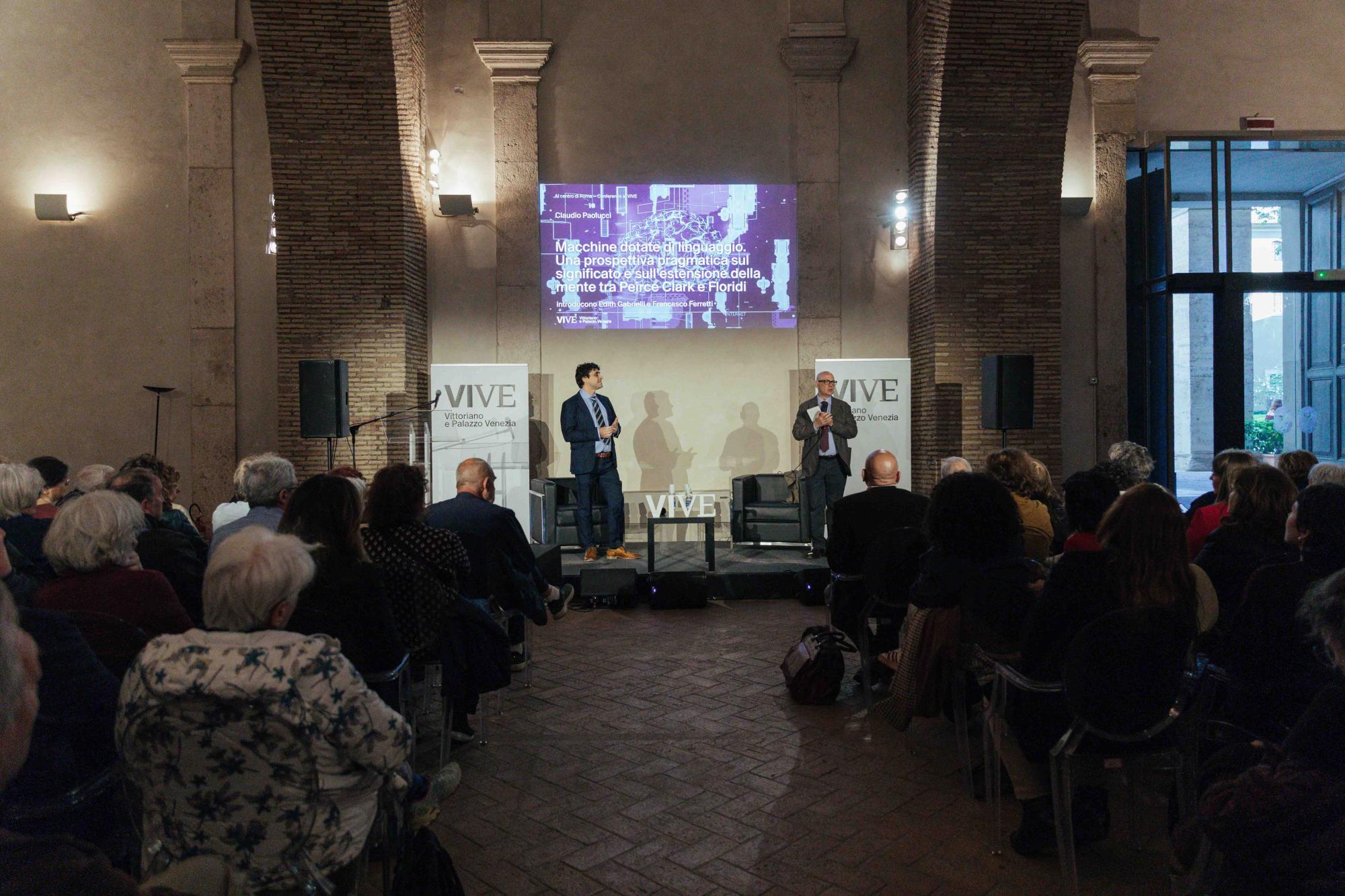
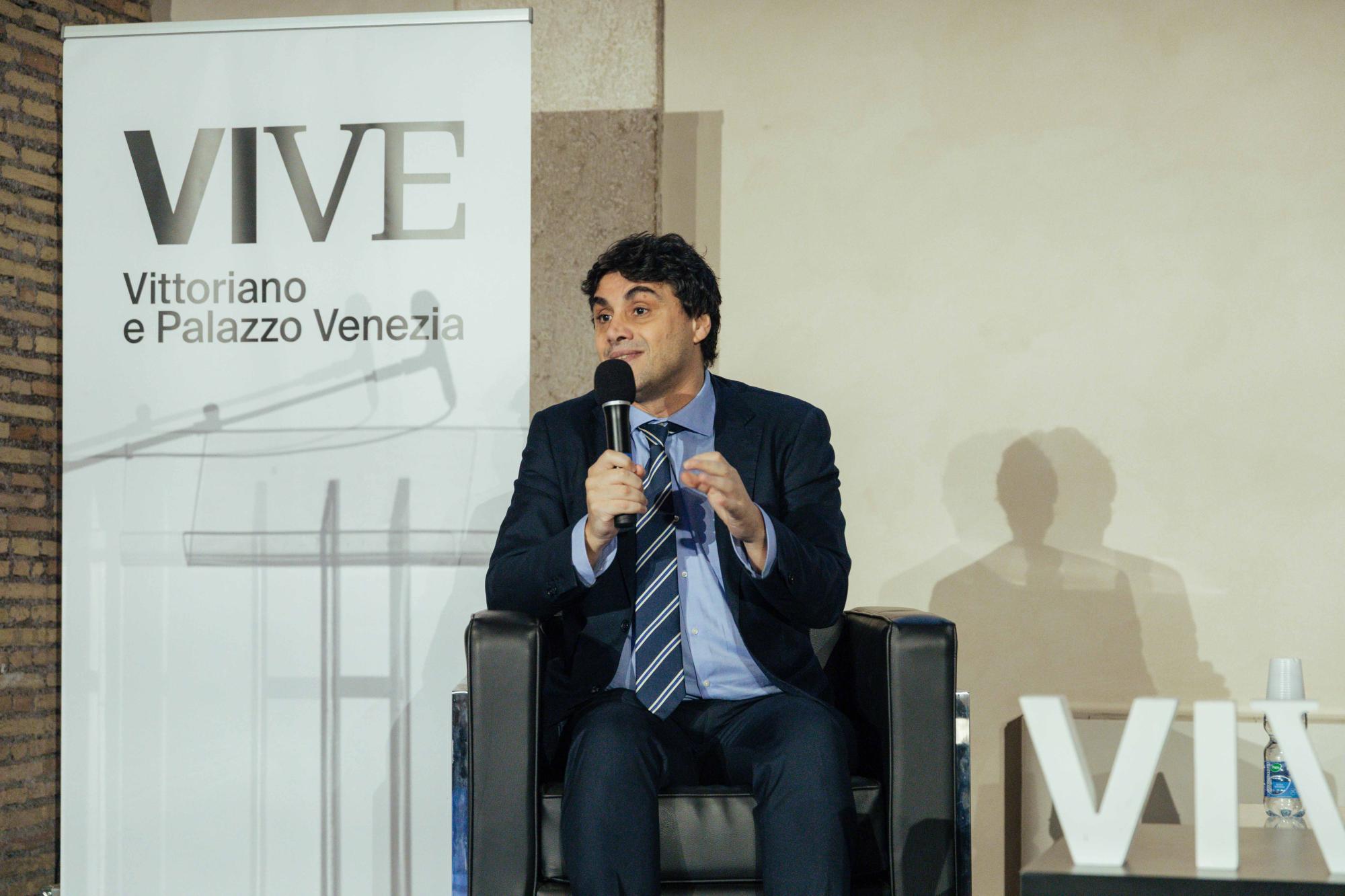
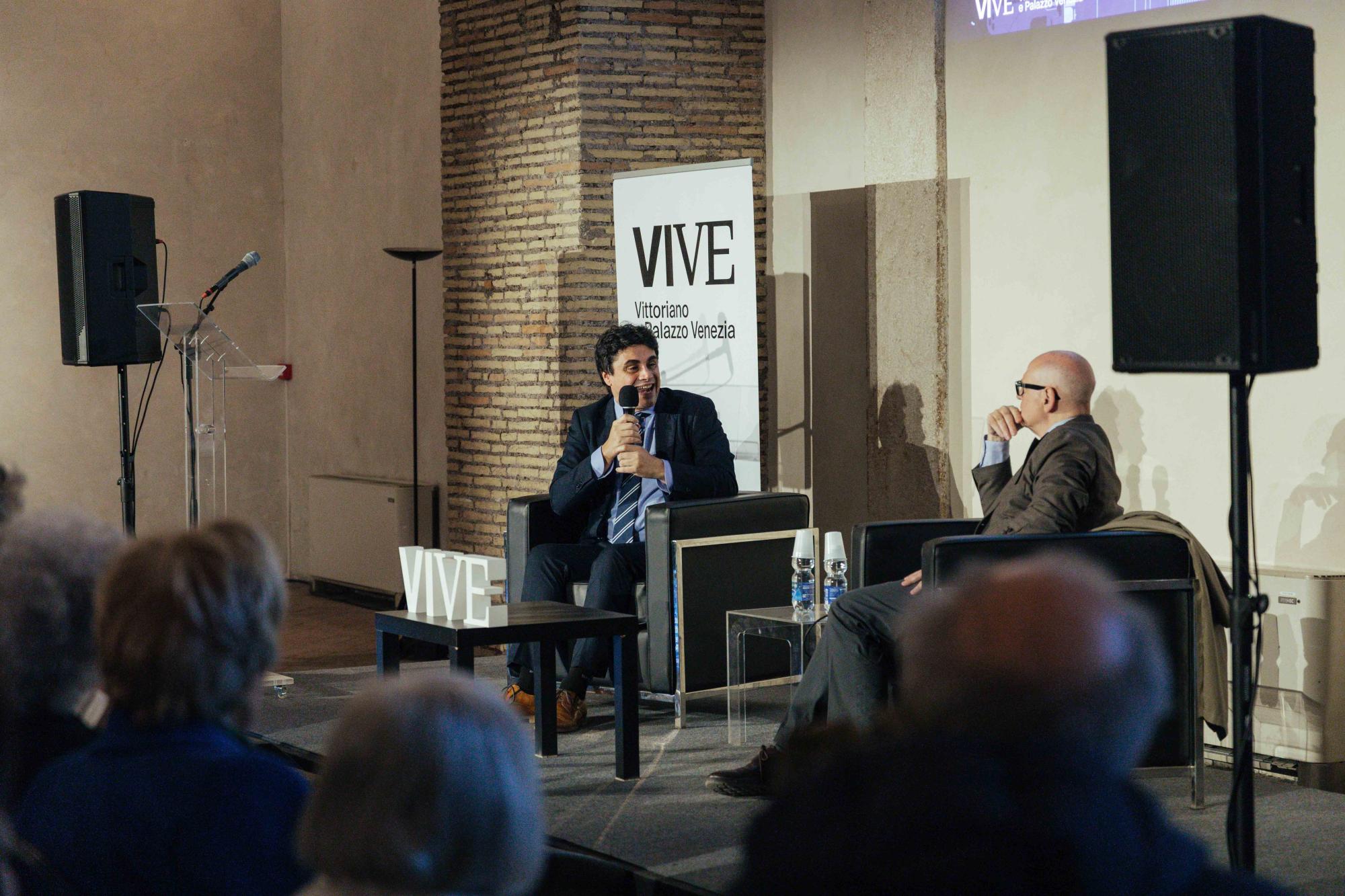
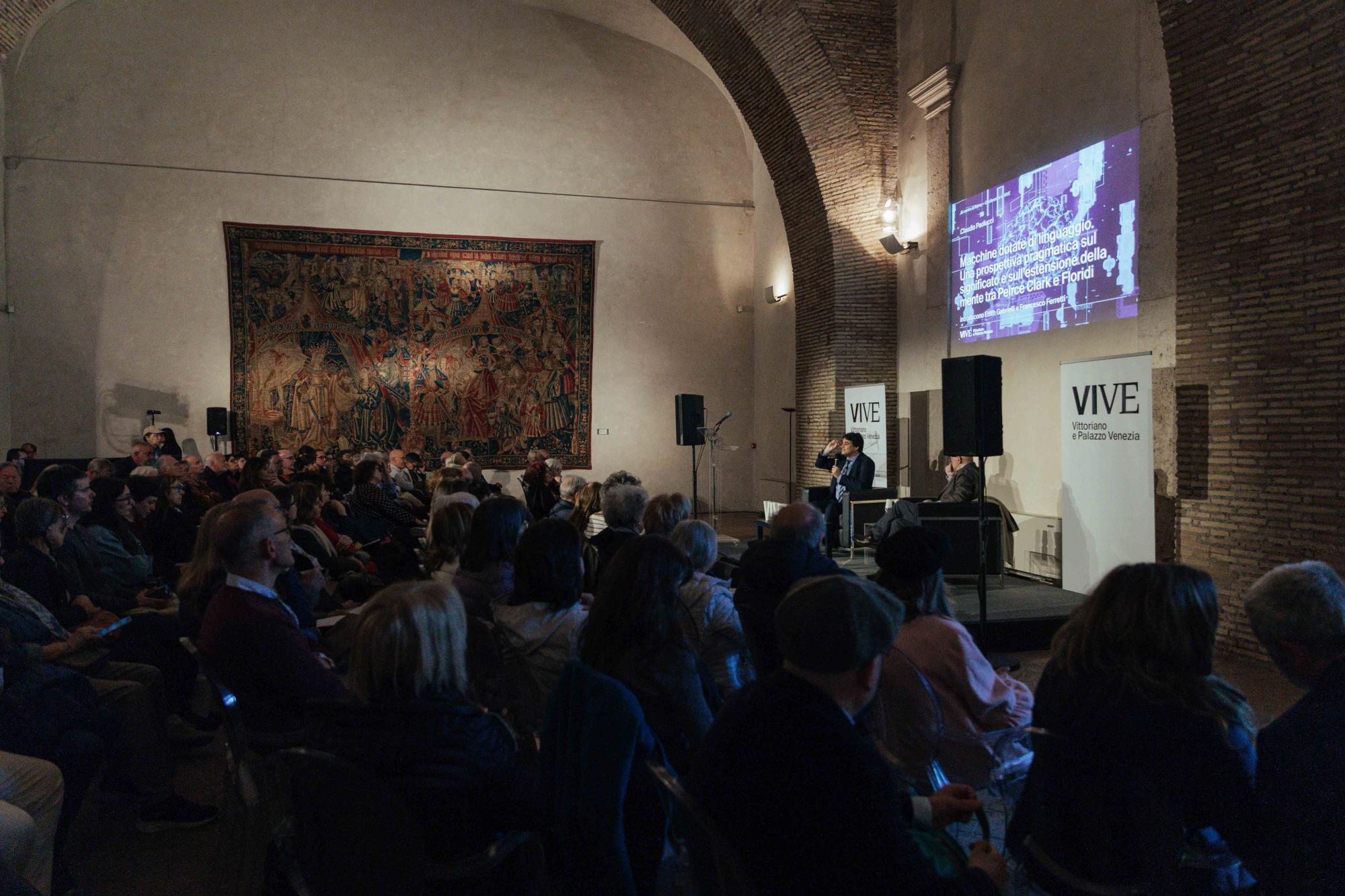
SPEAKER: Claudio Paolucci
DATE: Thursday, April 9, 6:00 PM
The recent emergence of language-endowed machines capable of passing the Turing test (ChatGPT, Claude, Bard, etc.) represents a turning point so epochal that the most evident trend in contemporary culture is to deny it. Perhaps the most iconic expression formulated in recent years by those who take this stance, denying that generative AI is the first non-animal endowed with language, is that of Bender et al. (2021), who, in a foundational 2021 conference, defined ChatGPT as a "stochastic parrot."
The reality is that recent generative AI represents a turning point in human history capable of revealing what the human being has been since the very origins of its evolution. Starting from the constitutive weakness of homo sapiens, linked to the achievement of an upright posture and the birth of constitutively premature offspring, we will retrace our continuous and progressive tendency to delegate to the environment a whole series of cognitive activities that we previously performed within our brains and biological bodies.
Identifying the possession of logos as the very essence of the human being finally allows us to challenge many long-held assumptions, at the very moment when logos and "thought through discourse" no longer seem to be the exclusive prerogative of the human animal. Similarly, generative AI allows us to question many of the most prominent positions in the current debate on artificial intelligence, such as those that separate effective action from intelligence (Floridi) or link personal understanding and meaning (Searle). It is the "cyborg form" that we must consider if we wish to move beyond the opposition between humans and machines and the resulting polarization of contemporary debate between "apocalyptic" and "techno-integrated" positions.
Claudio Paolucci is Full Professor of Semiotics and Philosophy of Language at the University of Bologna, where he coordinates the PhD program in Philosophy, Science, Cognition, and Semiotics and serves as the scientific coordinator of the "Umberto Eco" International Center for Humanistic Studies. Having directed seven European and national interest projects, he currently heads the SACreD Project (on creativity and madness), the International Centre for Enactivism and Cognitive Semiotics, and the Italian Society for the Philosophy of Language.
His most important works include: Strutturalismo e interpretazione (Bompiani, 2010), Umberto Eco (Feltrinelli, 2017), Persona (Bompiani, 2020), Cognitive Semiotics (Springer, 2021), and Nati Cyborg (Sossella, 2025). He was awarded the Pegasus Prize for Culture in 2021 and the Mouton d’Or for the best scientific article in Semiotics in 2024. He also directs the historic lecture series "What are philosophers doing today?" (Che cosa fanno oggi i filosofi?).