Vittoriano


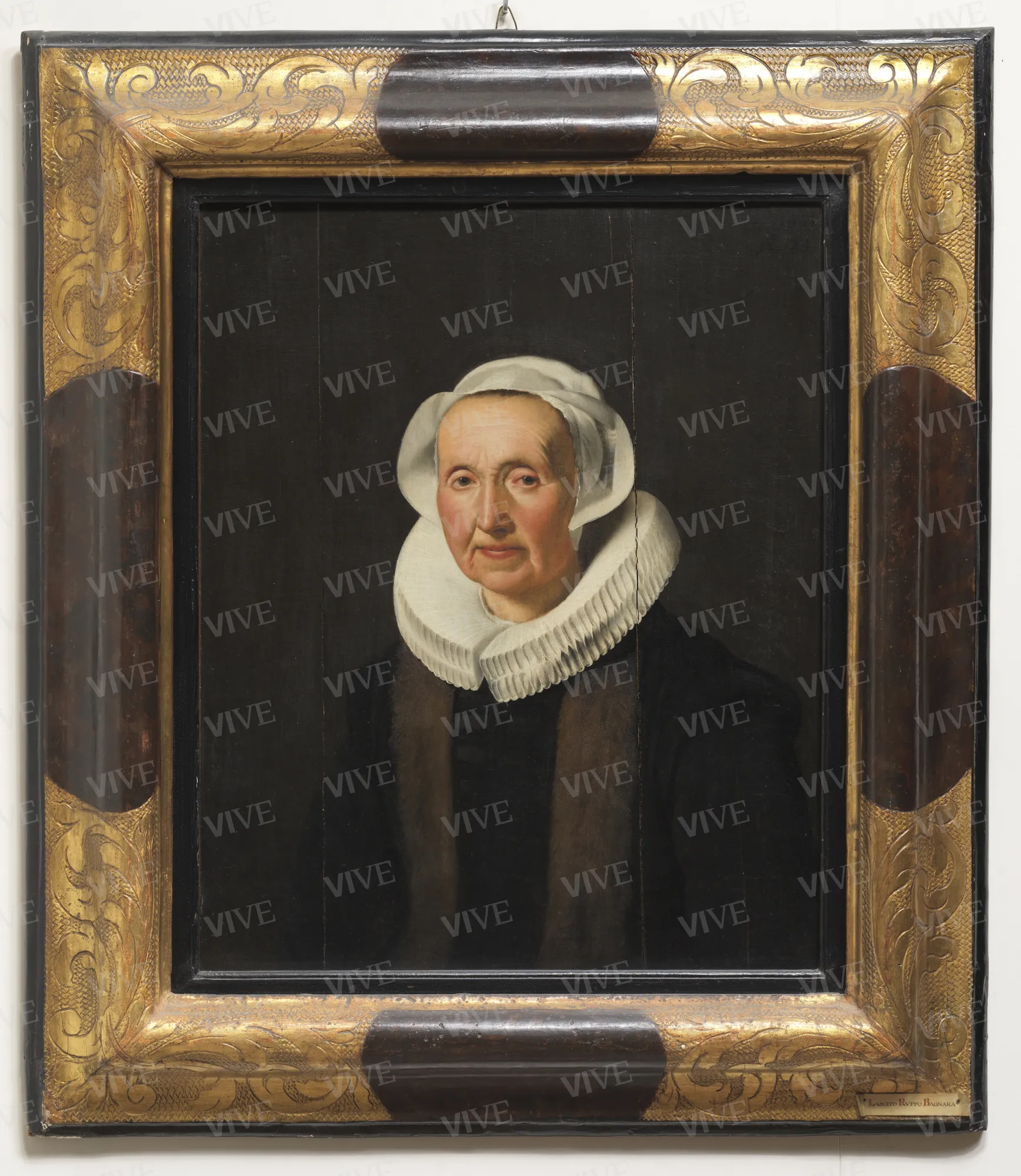
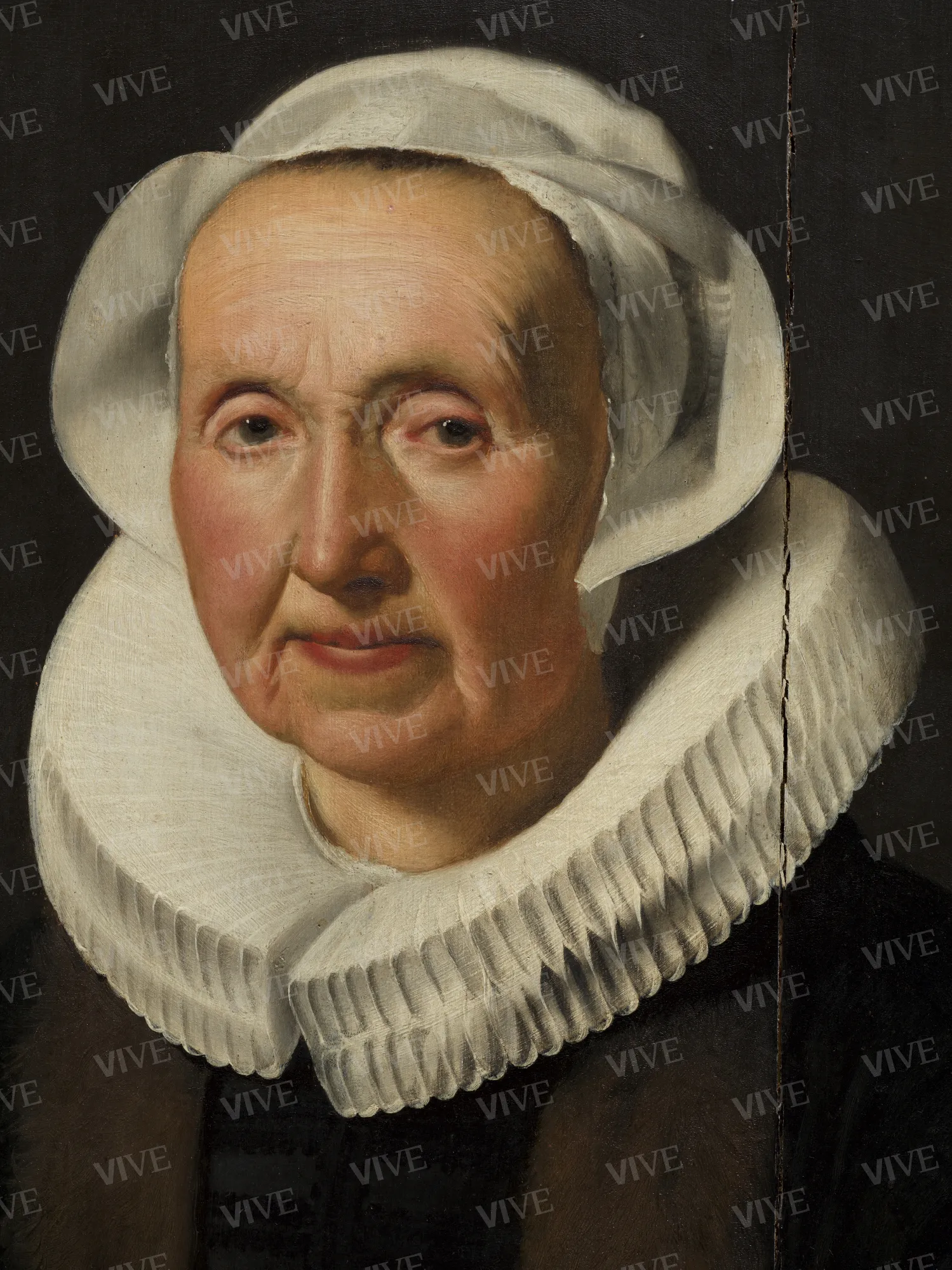
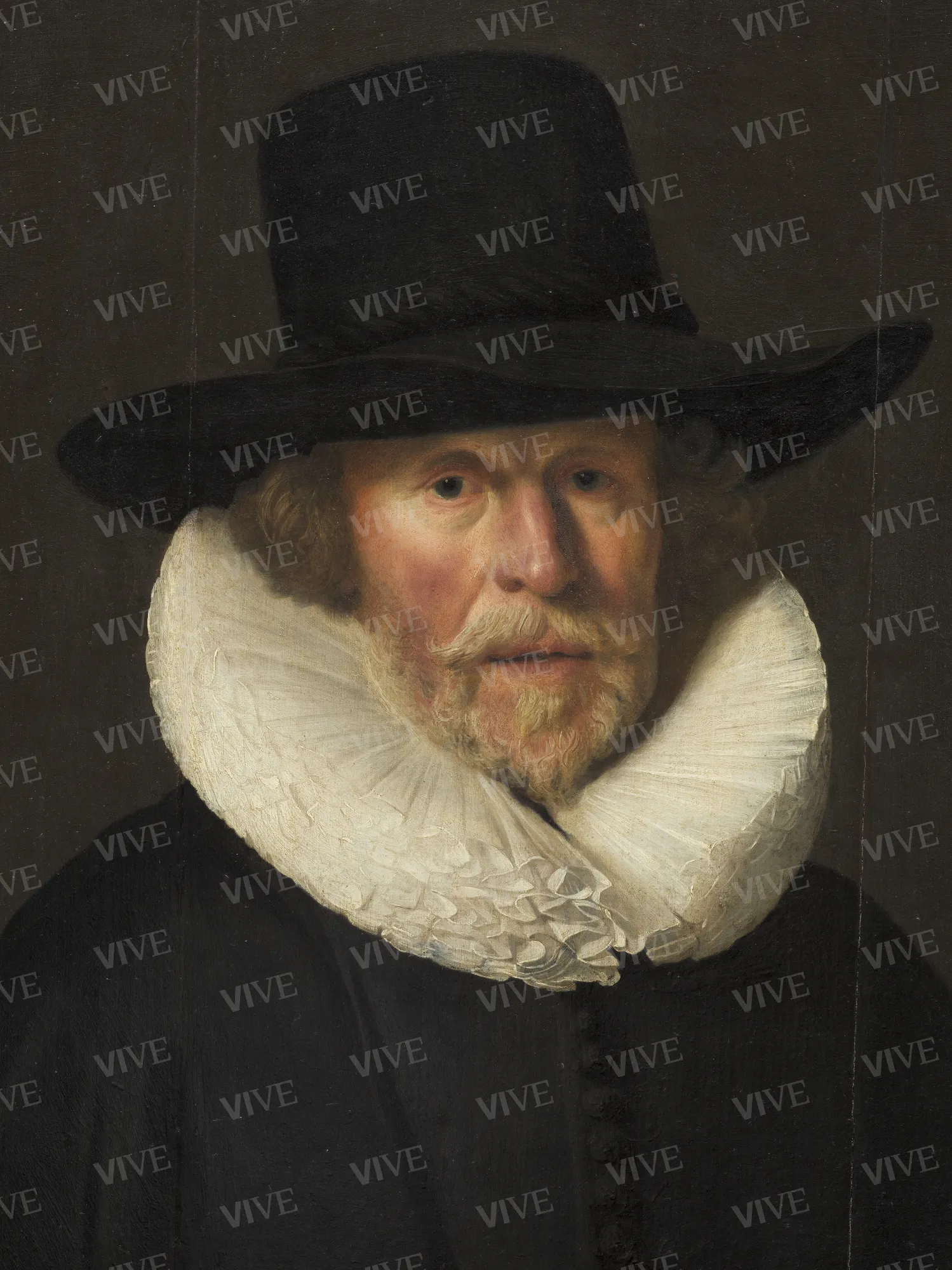
The two paintings, which portray a married couple, are attributed to Jacob Gerritsz Cuyp, a renowned portraitist from the first half of the seventeenth century. Cuyp was a distinguished member of a prominent family of artists based in Dordrecht, Netherlands.
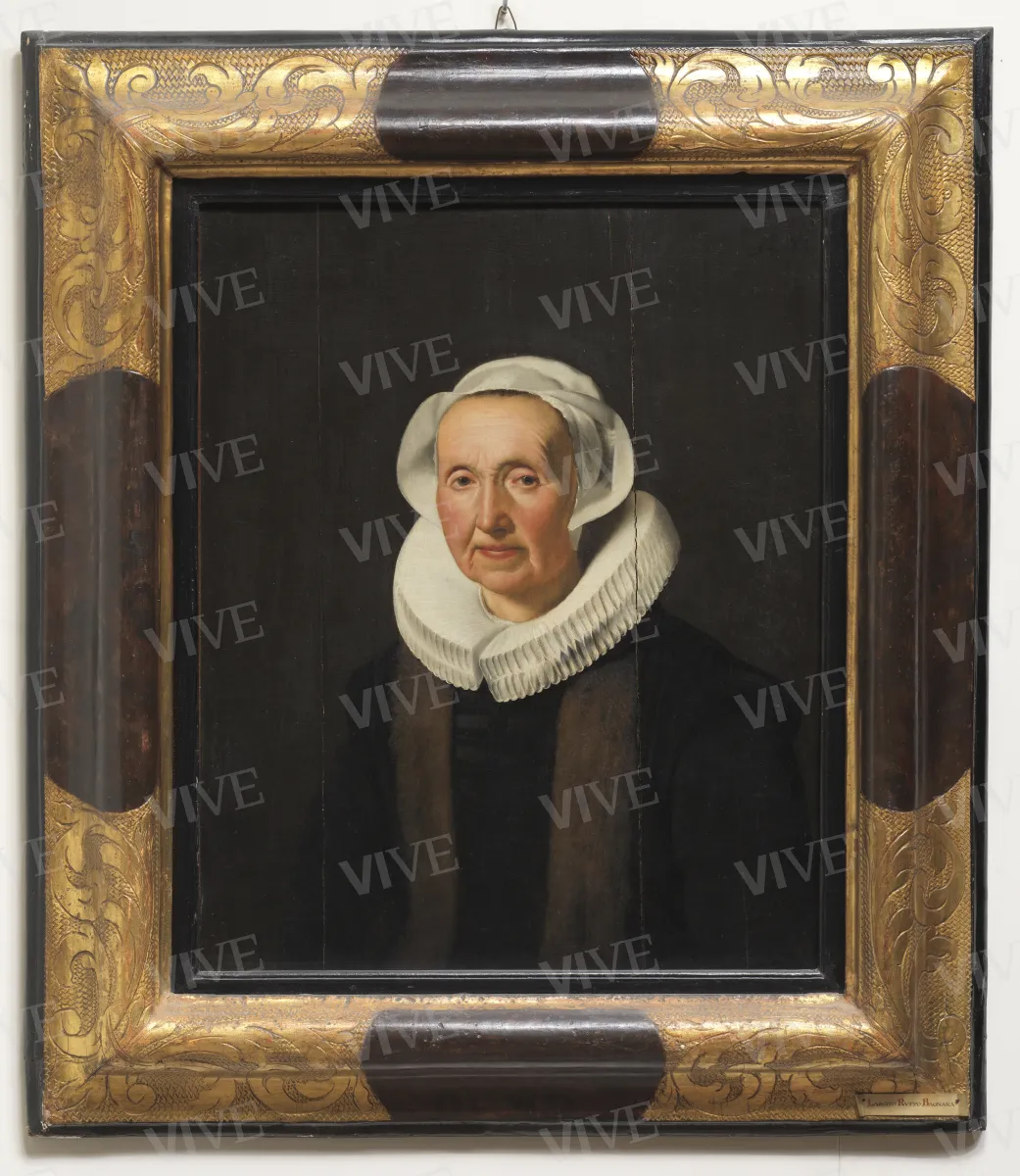

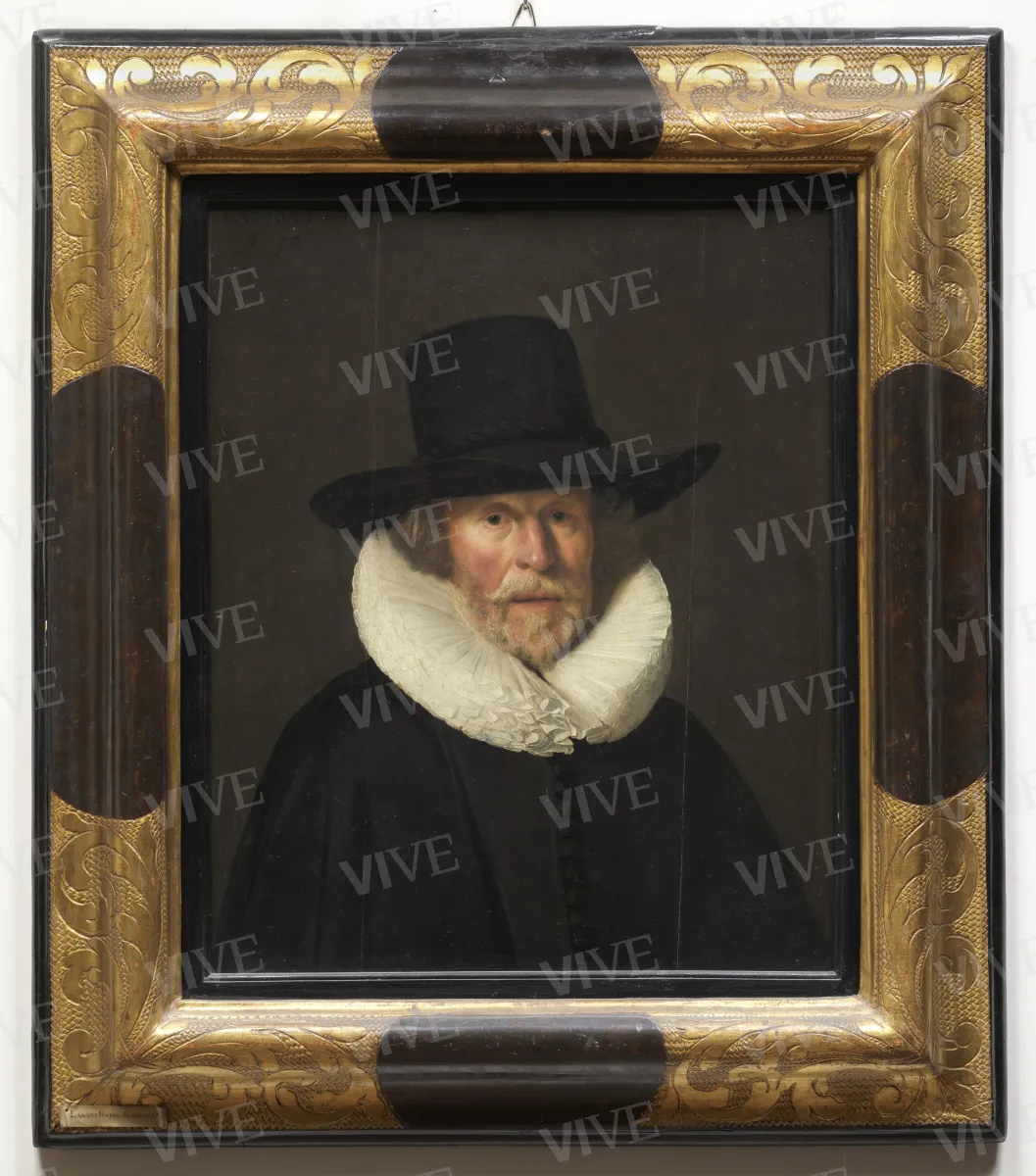
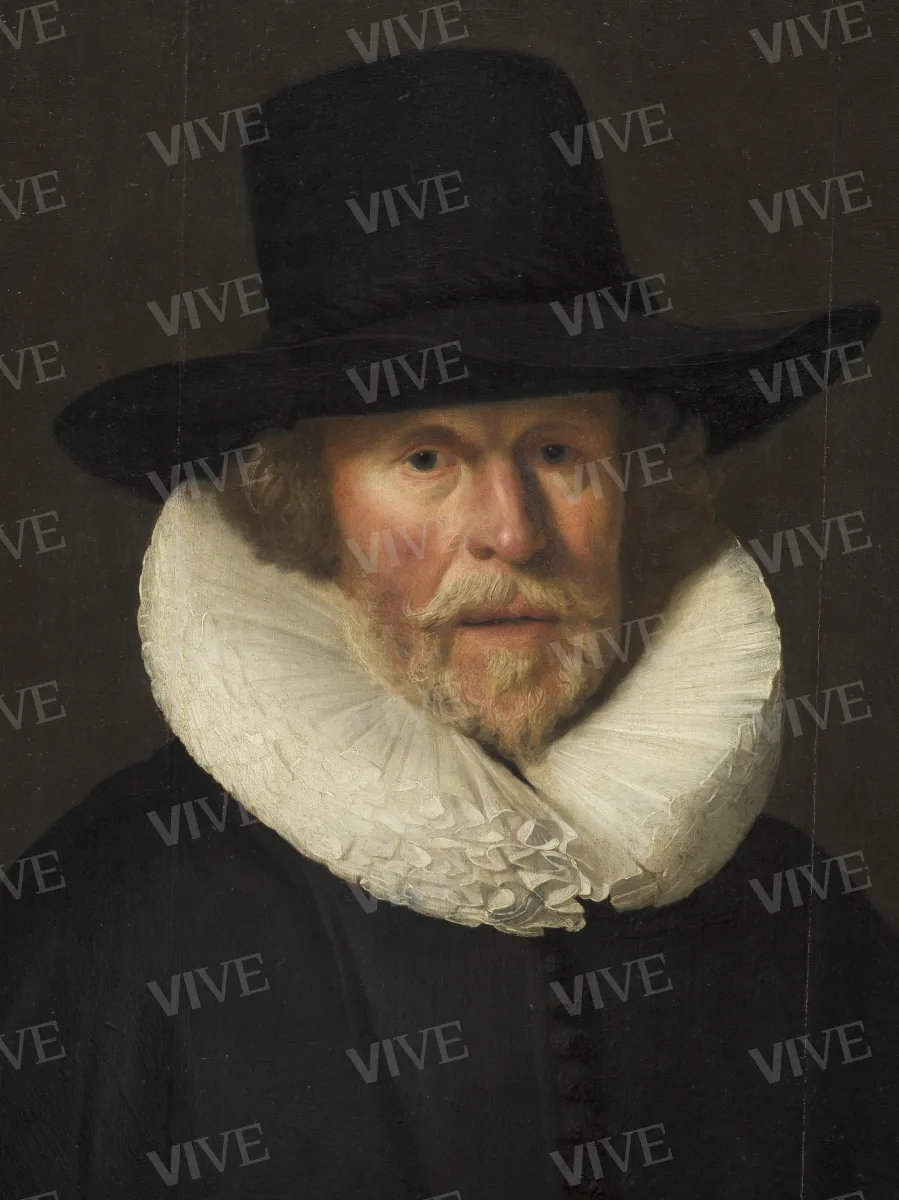
The two paintings, which portray a married couple, are attributed to Jacob Gerritsz Cuyp, a renowned portraitist from the first half of the seventeenth century. Cuyp was a distinguished member of a prominent family of artists based in Dordrecht, Netherlands.
The two paintings feature a married couple whose identities remain unknown. These works entered the Museo Nazionale di Palazzo Venezia as part of a donation from the Ruffo di Bagnara Collection, established by Cardinal Tommaso Ruffo. Cardinal Ruffo demonstrated a discerning interest in sixteenth- and seventeenth-century paintings, extending beyond his associations with Emilia—where he served as bishop of Ferrara and papal legate of Ferrara and Bologna—to include works by international artists, with a particular focus on Flemish painters (Lorizzo 2013; see also the file relating to the work by Giuseppe Maria Crespi, inv. 876). De Angelis (2010) and Lorizzo (2013) identified the two panels as “two head portraits representing an old man and an old woman on a panel by Rubens, estimated price of each [Agostino] Masucci, sc[udi] 140” in the inventory compiled at the time of the cardinal’s death in 1753 (De Angelis 2010, 74, 83 note 206; De Angelis 2013, 211–212 note 165). These works are also referenced in the valuation of the Ruffo Collection conducted in Rome on June 22, 1909, by Erulo Eroli and Roberto Bompiani (nos. 3–4; see Battista 2005, 75–76 doc. 1), with the male portrait being described as “first-rate in terms of both period and school,” in contrast to a less favourable assessment of the female portrait. Upon the donation of the Ruffo collection and library to the State on May 15, 1915, the two paintings were catalogued under the designation “Flemish school” (nos. 18–19; see Battista 2005, 78 doc. 3). Both portraits retain their original substantial two-tone frames, featuring faux cartouches at the lower corners bearing the inscription “Lascito Ruffo Bagnara” (Ruffo Bagnara Bequest).
Jacob Gerritsz Cuyp (1594–1651/1652), along with his father Gerrit Gerritsz, his brother Benjamin, and his renowned son Aelbert, belonged to a family of painters documented in Dordrecht (Veth 1884; Veth 1888; Michel 1892). Throughout the seventeenth century, he established himself as a prominent figure within the city's artistic community (Veerman, Groot, Gelder 1978). It is likely that he received his training in Utrecht under Abraham Bloemaert, although he spent the majority of his career in Dordrecht, where he gained recognition for his historical paintings, landscapes, and genre scenes (Chong 2010). From the 1620s onward, he became particularly noted for his portraits, typically executed as half-length figures set against neutral backgrounds and frequently featuring paired male and female sitters (London, Johnny van Haeften Collection; Rotterdam, Museum Boijmans Van Beuningen). Cuyp’s works are distinguished by their intentional application of color—most notably, the contrast between the whites of ruffs and headpieces and the subdued tones of black and gray garments—as well as by a marked sensitivity to the introspective qualities of his subjects (Blankert 1982; Ekkart 2002). His portraits often represent “self-satisfied Dutch burghers,” “painted with sober objectivity […] in their elegant costumes” (Bernt 1970, 29). The sophisticated interplay of light and shadow—most notably on the subjects’ faces—demonstrates an influence from Caravaggio, likely mediated by the Dutch school inspired by the Italian master (such as Ter Brugghen and the “Caravaggisti of Utrecht,” Paarlberg 2002). While Santangelo (1947) noted that attribution to Cuyp follows tradition and this view was promptly supported by Hermanin (1948) and Zeri (1955), these two portraits are absent from critical scholarship on the artist, including his most recent monograph (Rudi 2002).
Mariaceleste Di Meo
Entry published on 16 October 2025
Excellent.
Cleaning (1992).
Bequest of Prince Don Fabrizio Ruffo di Motta Bagnara, 1915–1919, List 1915, nos. 18–19;
Rome, Museo Nazionale di Palazzo Venezia, 1915–1919.
Appraisal of the Collezione Ruffo, June 22, 1909, Rome, Erulo Eroli and Roberto Bompiani: “3* ‘Portrait of a Flemish Gentleman’ Painting from the late 1500s, oil on panel (in three pieces) measuring 0.73 m x 0.58 m. Excellent condition, first-rate painting in terms of both period and school [...]; 4* ‘Portrait of a Lady’ Pendant to the above, from the same period and by the same artist, also oil on panel in three pieces and of the same size. However, the painting is less important [...]”;
Bequest of the Ruffo Collection, May 15, 1915: “18. Oil painting on panel depicting Portrait of an Old Woman from the Flemish school, seventeenth century. [...] 19. Oil painting on panel depicting Portrait of an Old Man from the Flemish school, seventeenth century.”
Veth G.H., Aelbert Cuyp, Jacob Gerritsz Cuyp en Benjamin Cuyp, in «Oud-Holland», 2, 1884, pp. 233-290;
Veth, G. H., Aanteekeningen Omtrent Eenige Dordrechtsche Schilders, in «Oud Holland», 6, 1888, pp. 129-148;
Michel Émile, Les Cuyp, 1, une famille d’artistes hollandais, in «Gazette des beaux-arts», 7, 1892, pp. 5-23;
Museo di Palazzo Venezia. Catalogo. 1. Dipinti, Santangelo Antonino (a cura di), Roma 1947, p. 45, figg. 56-57;
Hermanin Federico, Il palazzo di Venezia, Roma 1948, p. 246;
Catalogo del Gabinetto Fotografico Nazionale. 3. I dipinti del Museo di Palazzo Venezia in Roma, Zeri Federico (a cura di), Roma 1955, p. 6 nn. 37-38;
Bernt Walther, The Netherlandish Painters of the Seventeenth Century, I, London-New York 1970, p. 29:
Veerman Willem, Groot J.M. de, Gelder Jan Gerrit van, Aelbert Cuyp en Zijn Familie: Schilders Te Dordrecht, catalogo della mostra (Dordrechts, Museo di Dordrecht, 12 novembre 1977-8 gennaio 1978), Dordrechts 1978;
Blankert Albert, Cuyp (los), pintores holandeses, Jacob Gerritsz, in Laclotte Michel (a cura di), Diccionario Larousse de la Pintura, IX, Madrid 1982, p. 224;
Paarlberg Sander, Wy hadden byna vergeten den braven Dordrechtse Konstschilder Jacob Gerretze Cuyp…, in Paarlberg Sander (a cura di), Jacob Gerritsz. Cuyp (1594-1652), Dordrecht 2002, pp. 11-23;
Ekkart Rudi, Jacob Gerritsz. Cuyp als portretschilder, in Paarlberg Sander (a cura di), Jacob Gerritsz. Cuyp (1594-1652), Dordrecht 2002, pp. 25-43;
Battista Stefania, La collezione Ruffo di Bagnara: alcuni documenti inediti, in Pavone Mario A., Giannone Antonio L. (a cura di), Percorsi d’arte, tra vestigia dei Messapi, il collezionismo dei Ruffo e l’evoluzione pittorica di Mino Delle Site, Salerno 2005, pp. 65-78;
De Angelis Maria Antonietta, I dipinti del cardinale Tommaso Ruffo (1663-1753): la quadreria di un alto prelato nella Roma del Settecento, in Debenedetti Elisa (a cura di), Collezionisti, disegnatori e pittori dall’Arcadia al Purismo, II, Roma, 2010, pp. 53-92, nota 206;
Chong Alan, Jacob Gerritsz Cuyp, Problems of Collaboration, in «The Rijksmuseum bulletin», 58, 2010, 2, pp. 162-171;
De Angelis Maria Antonietta, L’ultimo soggiorno a Roma del cardinale Tommaso Ruffo (1738-1753), in Pavone Mario Alberto (a cura di), Il collezionismo del cardinale Tommaso Ruffo tra Ferrara e Roma, Roma 2013, pp. 171-212, nota 165;
Lorizzo Loredana, "Di pennello oltramontano": tedeschi, francesi e fiamminghi nella collezione del cardinale Tommaso Ruffo, in Pavone Mario Alberto (a cura di), Il collezionismo del cardinale Tommaso Ruffo tra Ferrara e Roma, Roma 2013, pp. 121-131.