Vittoriano


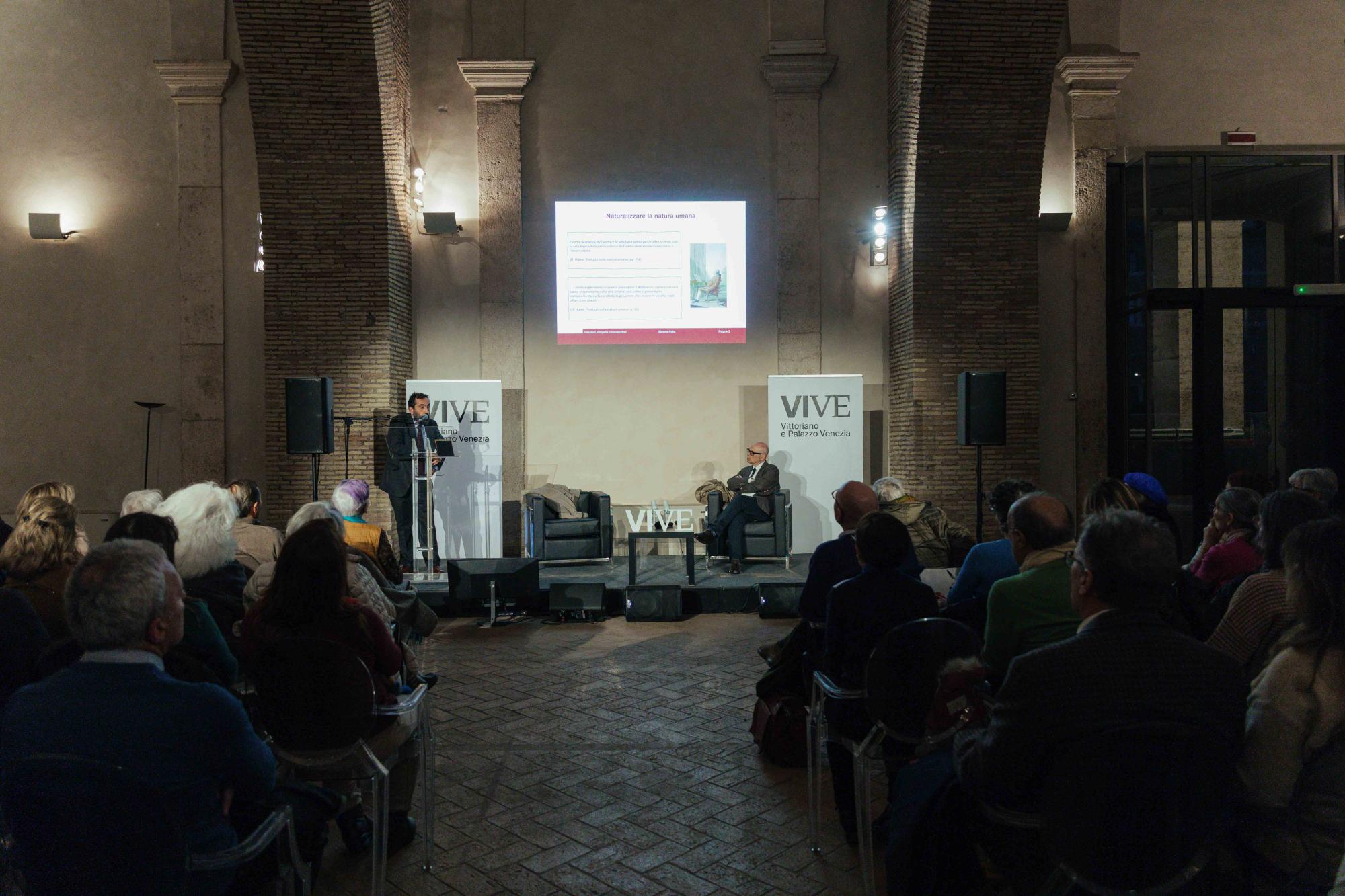
CYCLE: On human nature. From Descartes to artificial cyborgs, via Darwin
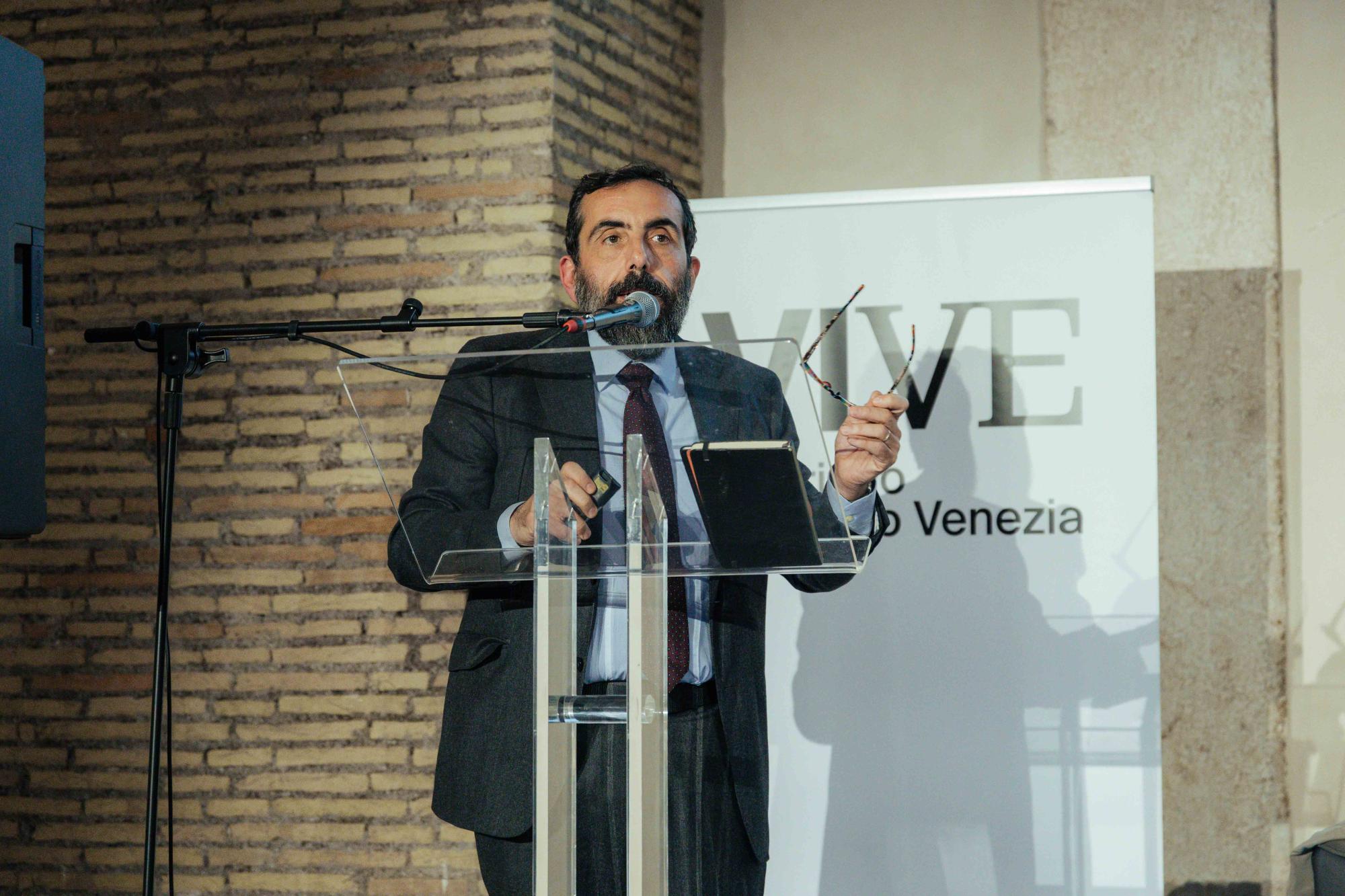
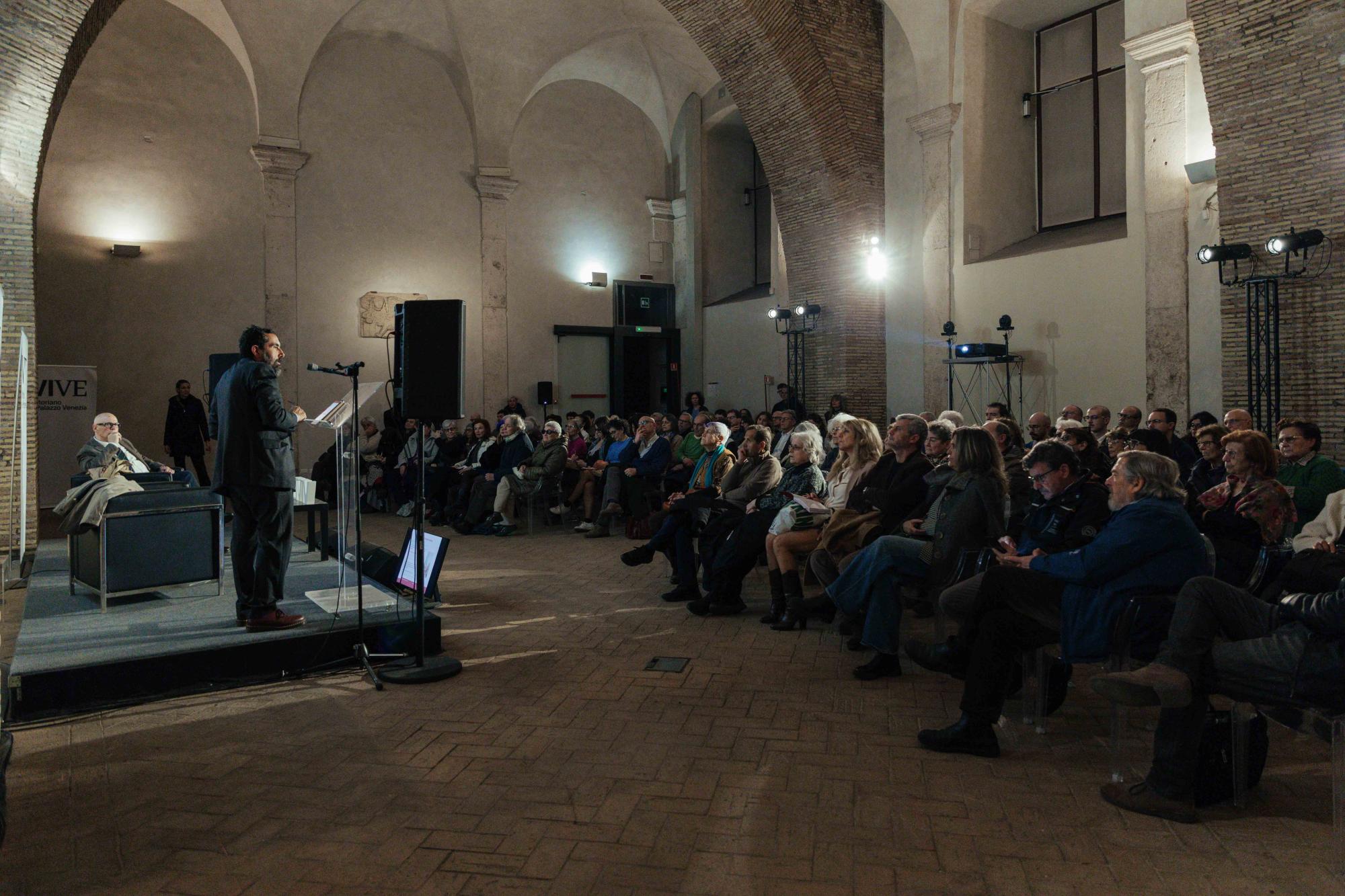
SPEAKER: Simone Pollo
DATE: Thursday, February 26, 6:00 PM
The concept of human nature is central to philosophy in its various forms. In particular, our ideas regarding what is morally good and what constitutes a just society depend on our vision of the nature of the human being. Throughout the history of thought, human nature has often been considered immutable and predominantly defined by rationality. Starting from the 18th century, this vision was radically challenged, primarily on a philosophical level. Specifically, David Hume’s empiricist philosophy offers an account of human nature in which passions and sympathy are central. From this account emerges a historicized idea of morality and society, as both are seen as based on conventions.The Humean perspective was later confirmed, consolidated, and expanded in the 19th century by Charles Darwin’s scientific revolution. Particularly in The Descent of Man, Darwin fully recognizes the historical nature of Homo sapiens and identifies emotions and sympathy as the core capacities for morality and sociality. Significant and profound consequences for our ideas of the good and the just derive from this vision of human nature, which is constructed along the Hume-Darwin axis.
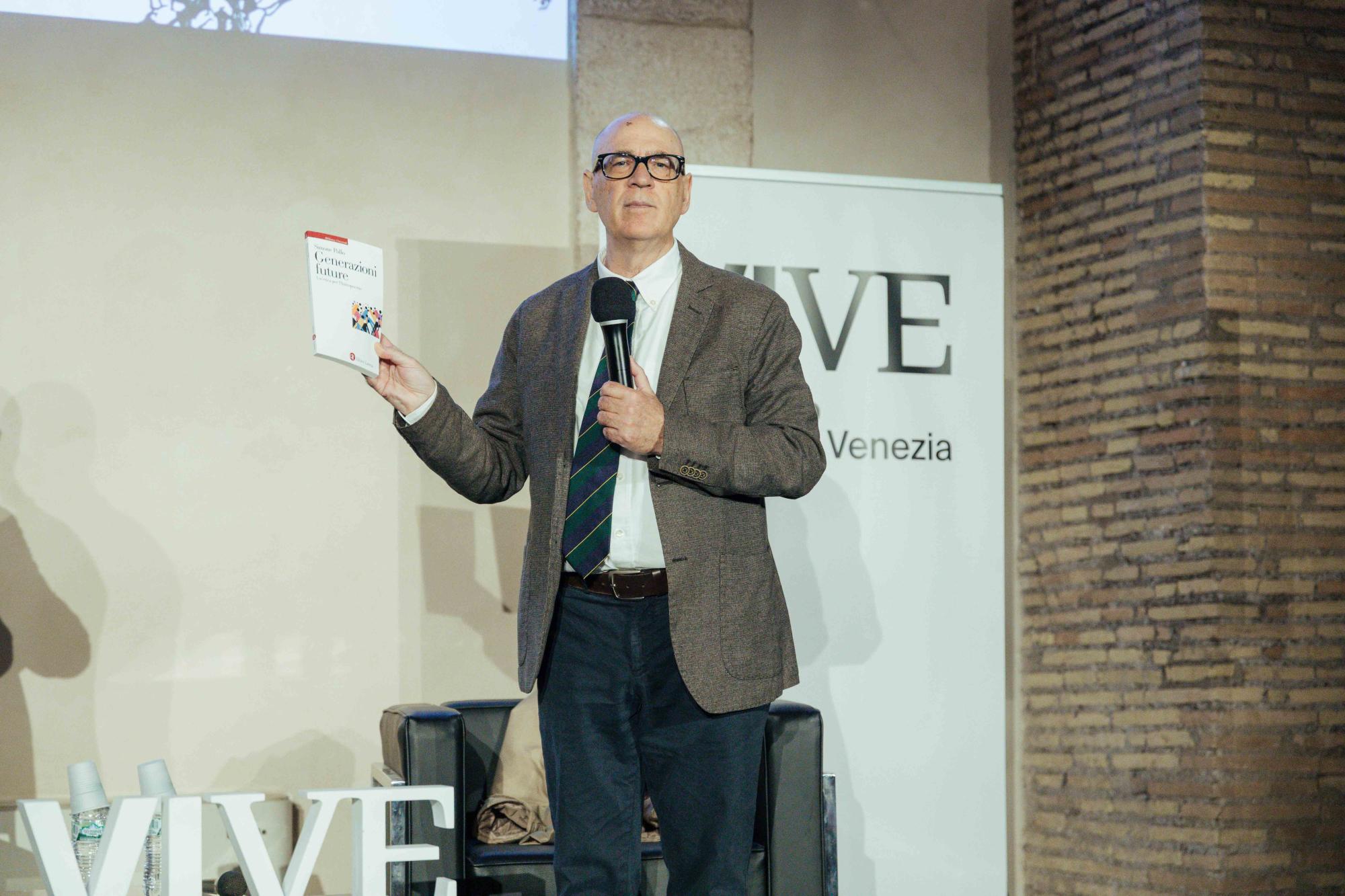
Simone Pollo is an Associate Professor of Moral Philosophy at the Department of Philosophy, Sapienza University of Rome, where he teaches Bioethics and Ethics and Life Sciences. He is a member of the National Biodiversity Future Center and the editorial board of the journal Iride: Filosofia e discussione pubblica. He focuses on ethics and evolutionism, the relationship between science and society, animal ethics, and environmental ethics. His publications include: La morale della natura (Laterza, 2008), Umani e animali. Questioni di etica (Carocci, 2016), Manifesto per un animalismo democratico (Carocci, 2021), Considera gli animali (Laterza, 2025) and Generazioni future. Un’etica per l’antropocene (Laterza, 2026). He has also edited the volumes: Human/Animal Relationships in Transformation. Scientific, Moral and Legal Perspectives (with A. Vitale, Palgrave, 2022), Le idee dell’etica: un’introduzione storica (Carocci, 2023) and Salute globale. Un’unica rete di umani, animali e ambienti (with M. Pietropaoli, Carocci 2025)