Vittoriano


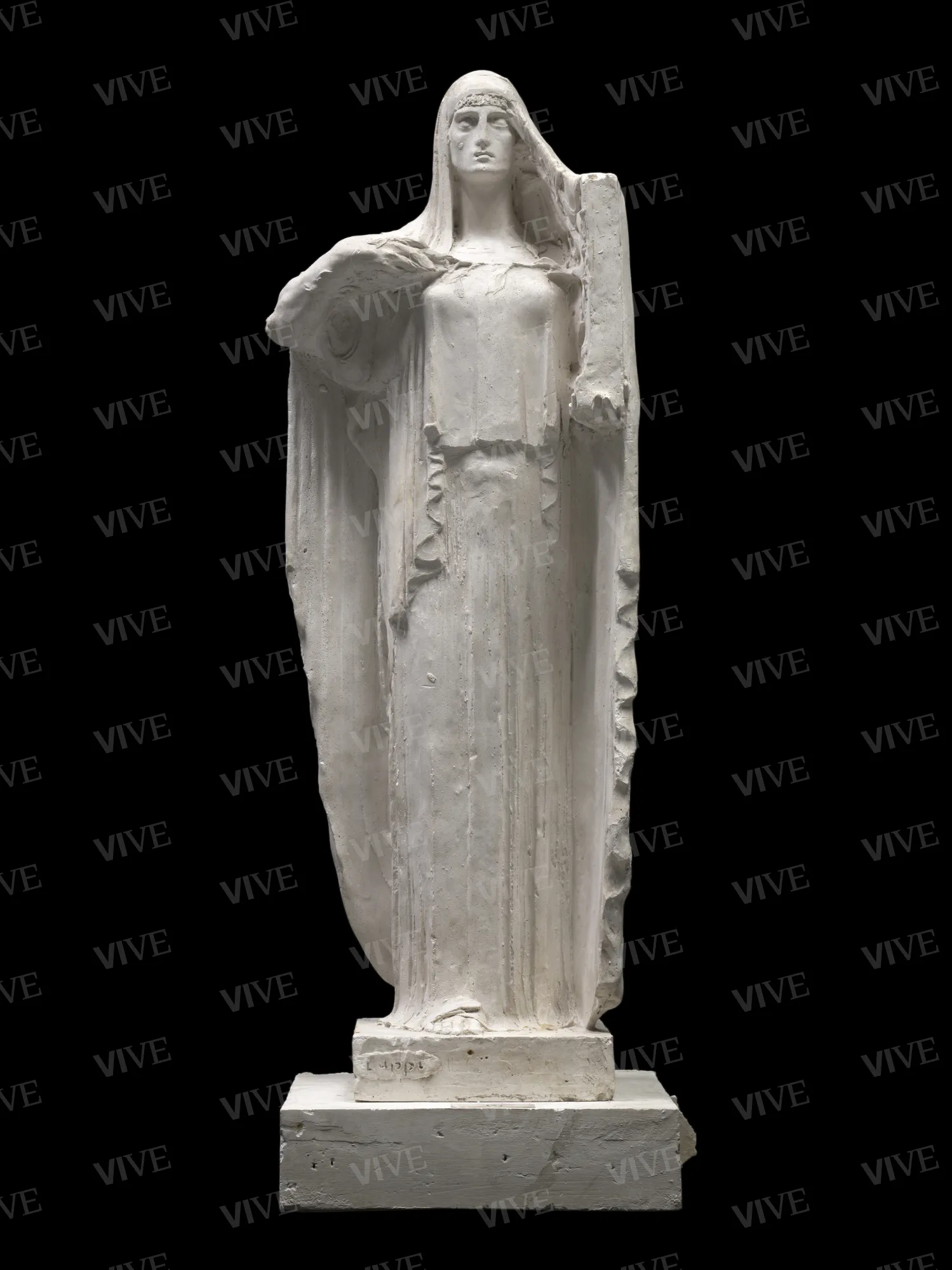
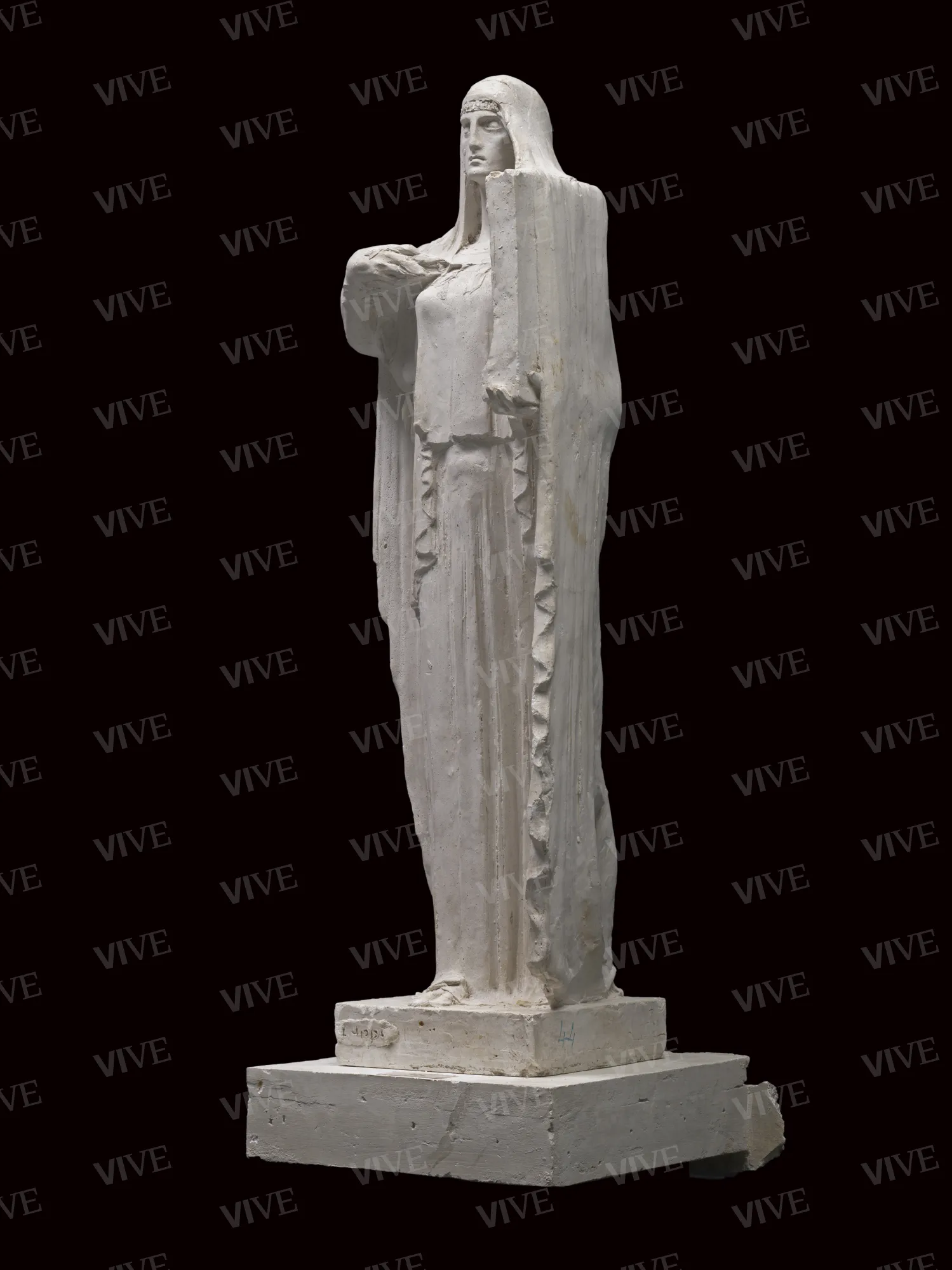
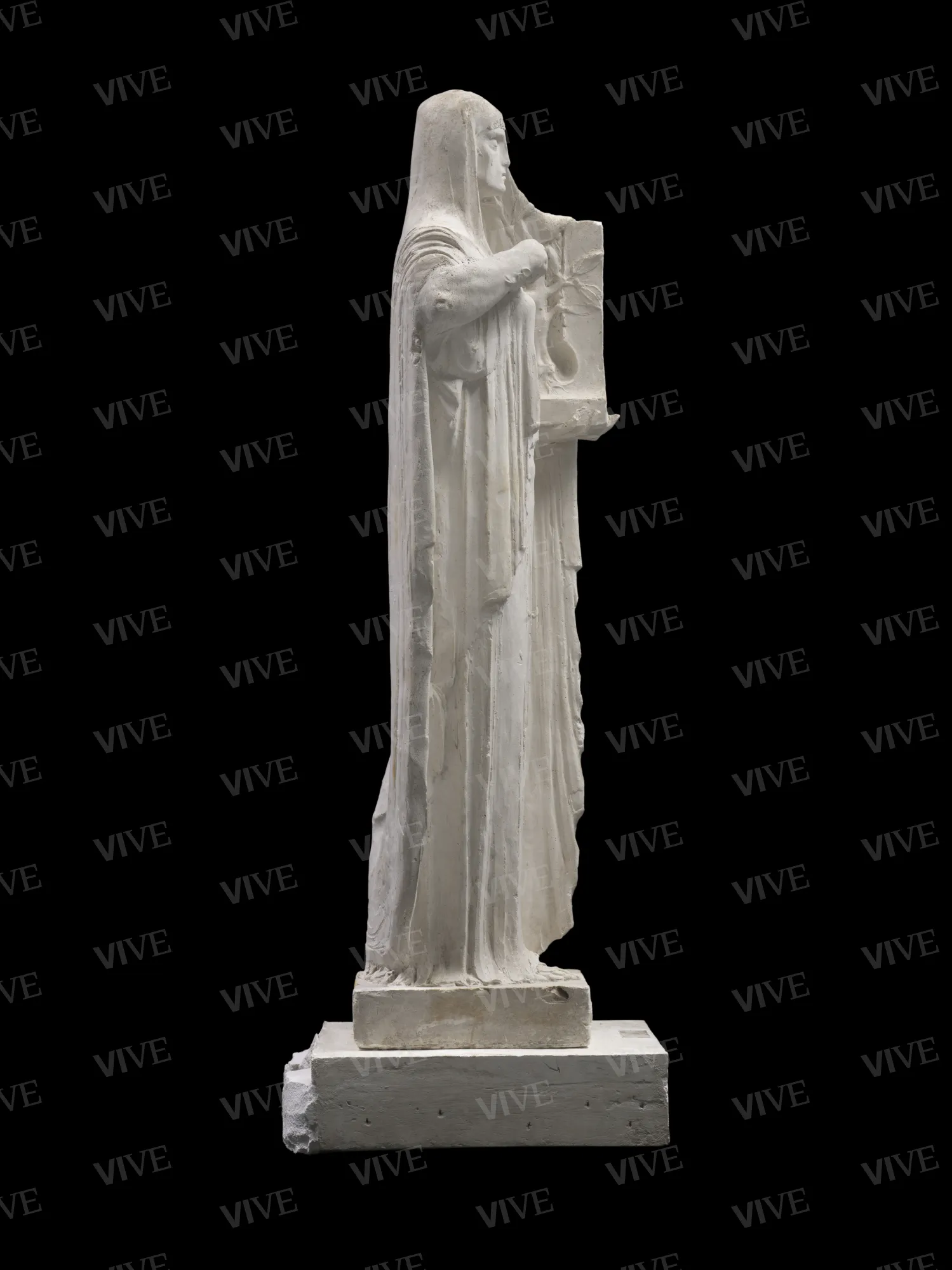
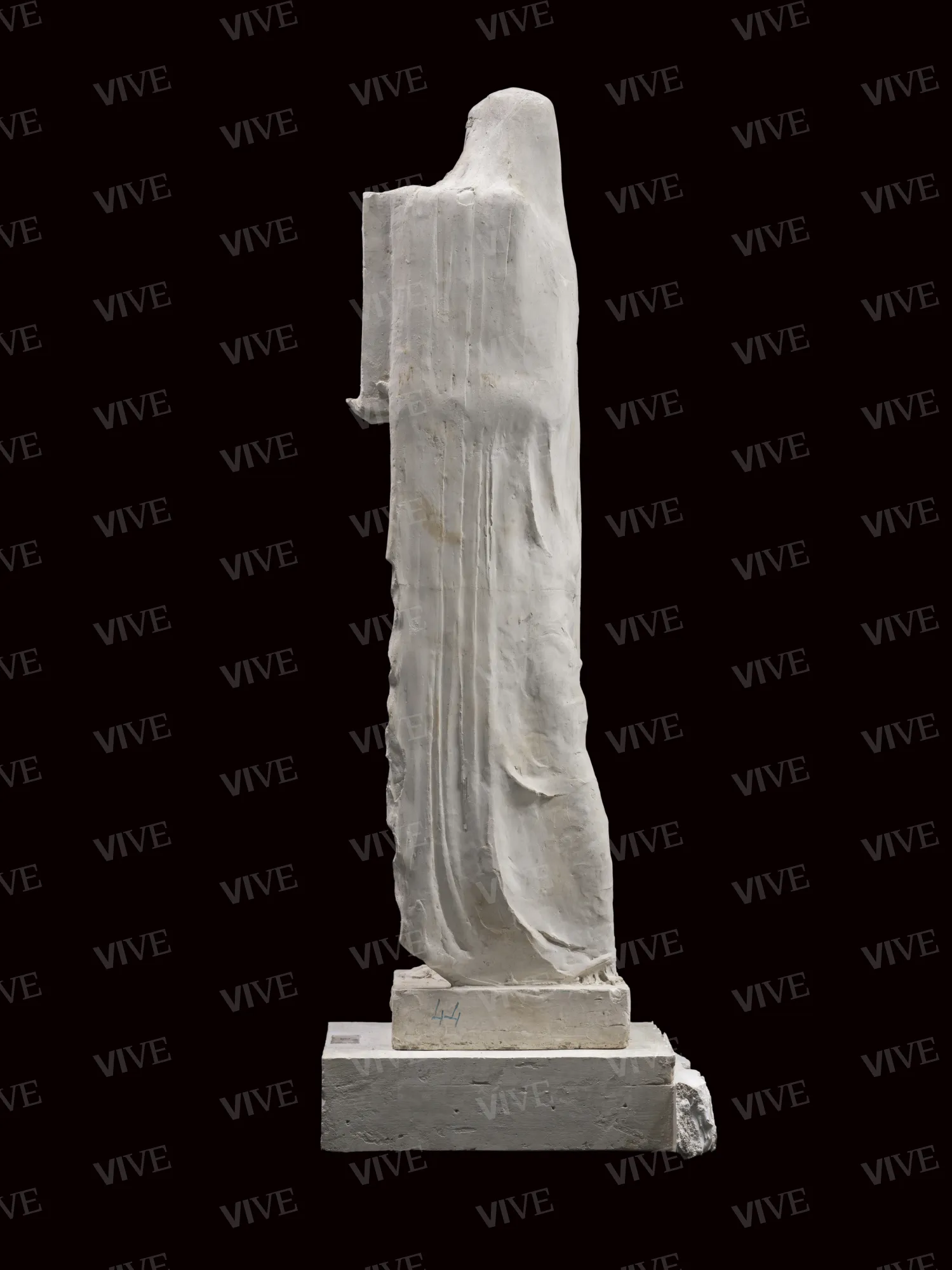
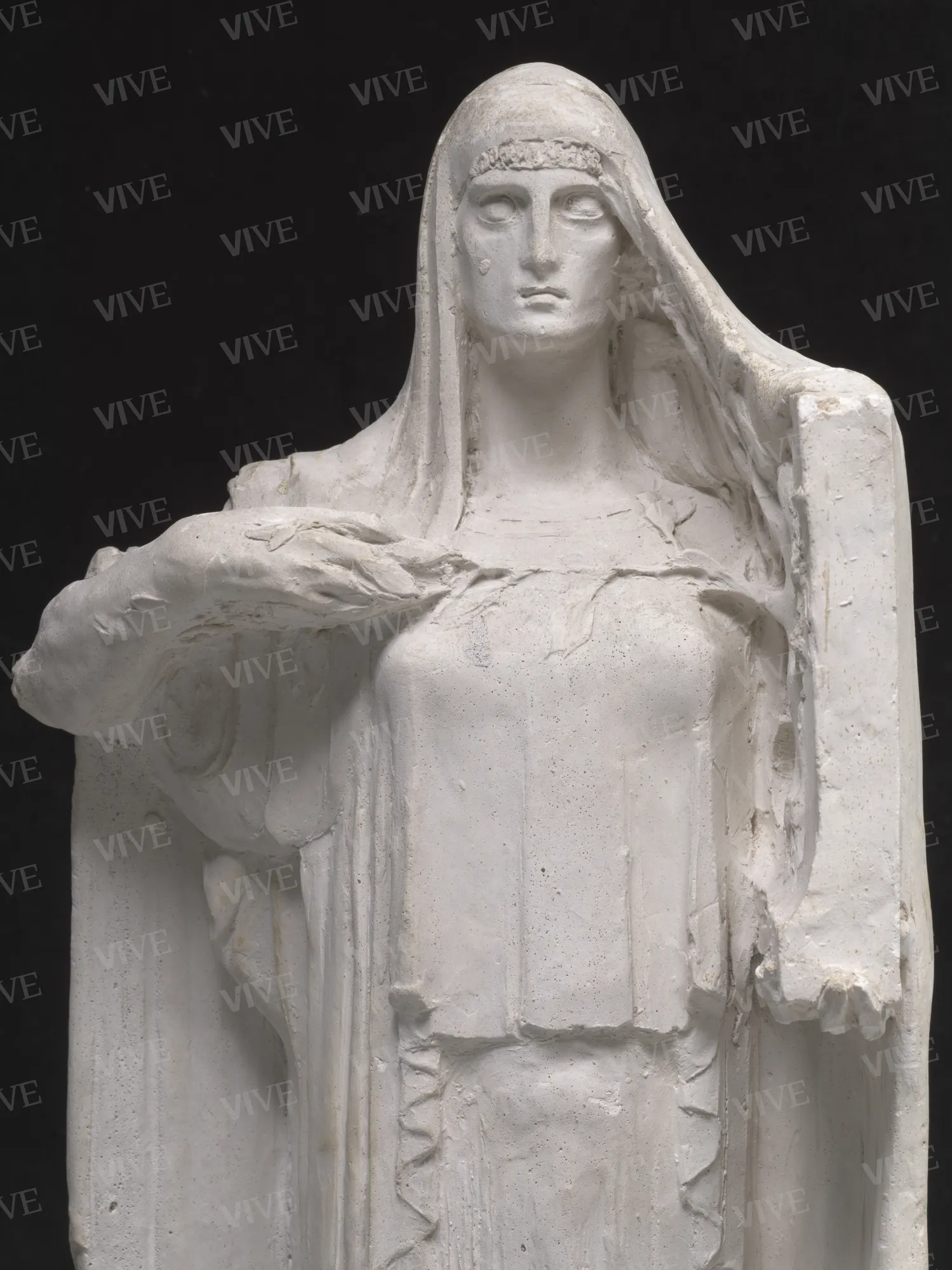
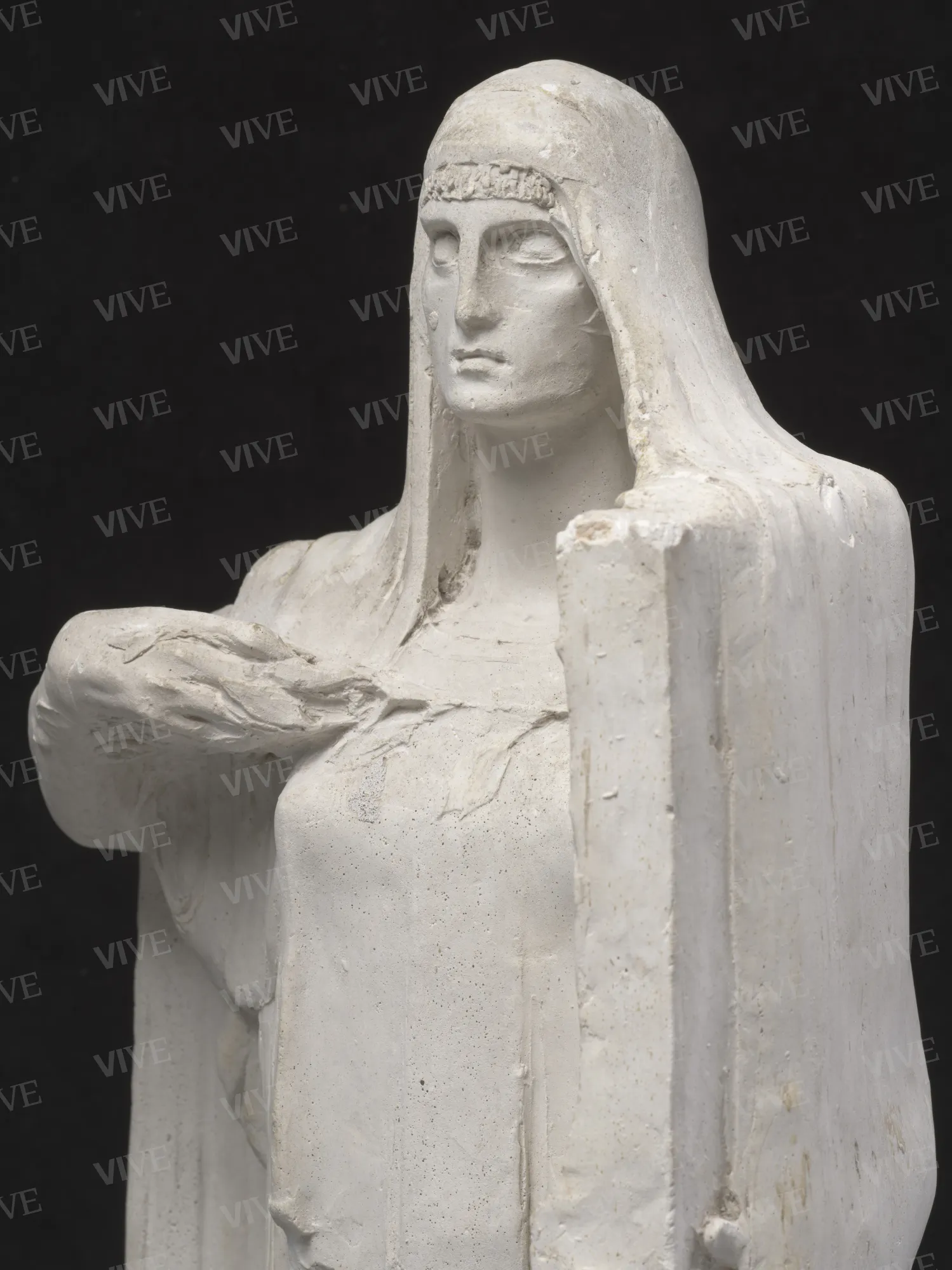
Ermenegildo Luppi produced the plaster cast entitled Poetry as his submission for the competition held on May 11, 1920, which sought designs for four Botticino marble statues intended for placement on pedestals at the columns fronting the entrance vestibules of the Museo Nazionale del Risorgimento. Consistent with his artistic approach, Luppi employed a more austere and archaic style in this work, ensuring that the sculpture would harmonize with the classicist architectural features of the Vittoriano.
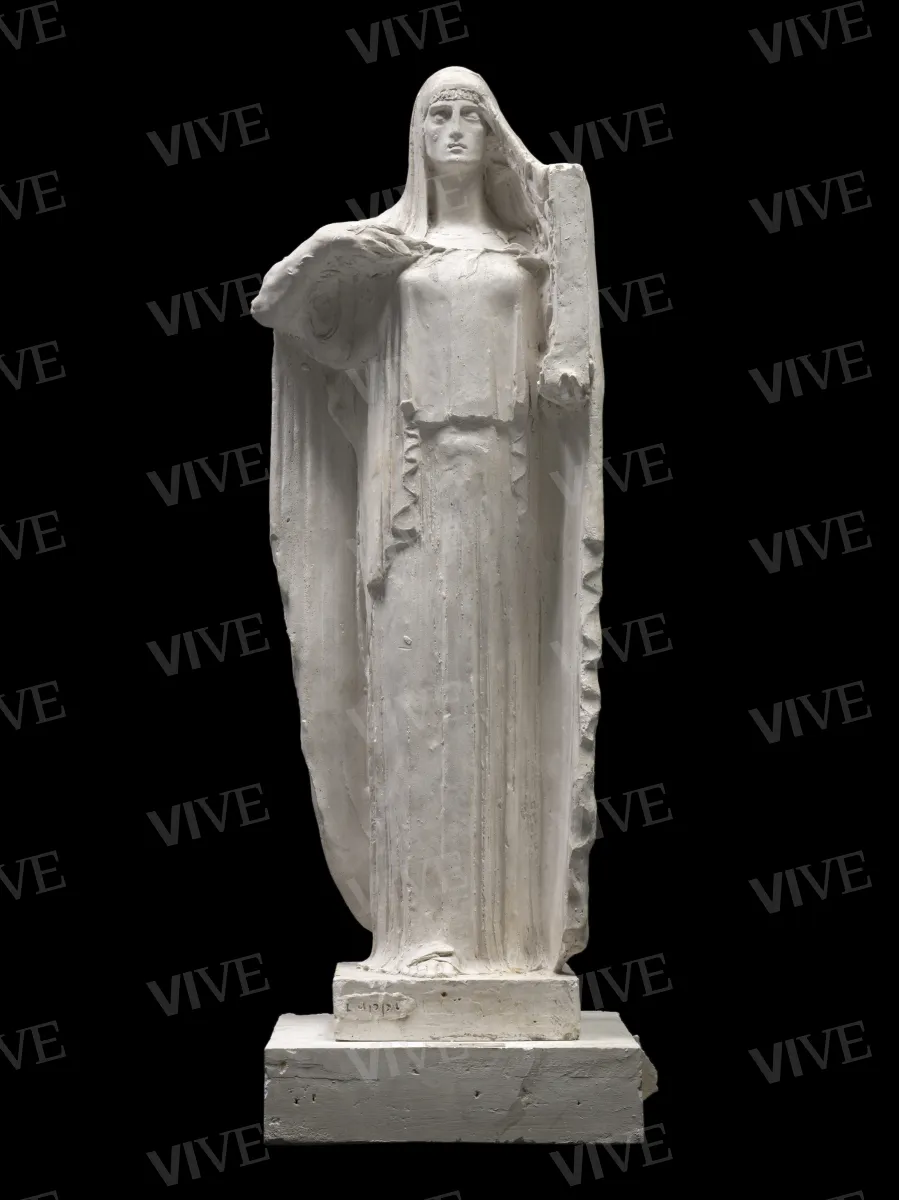
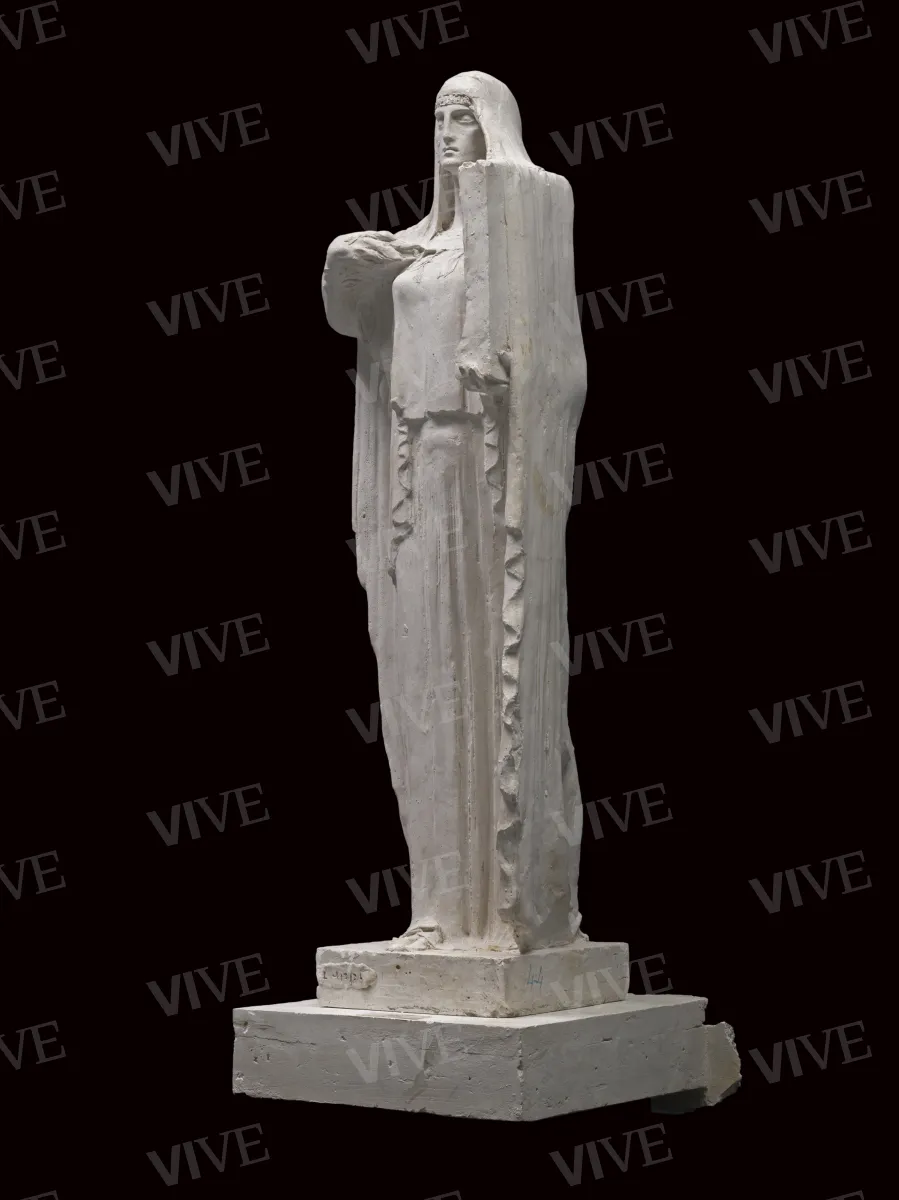
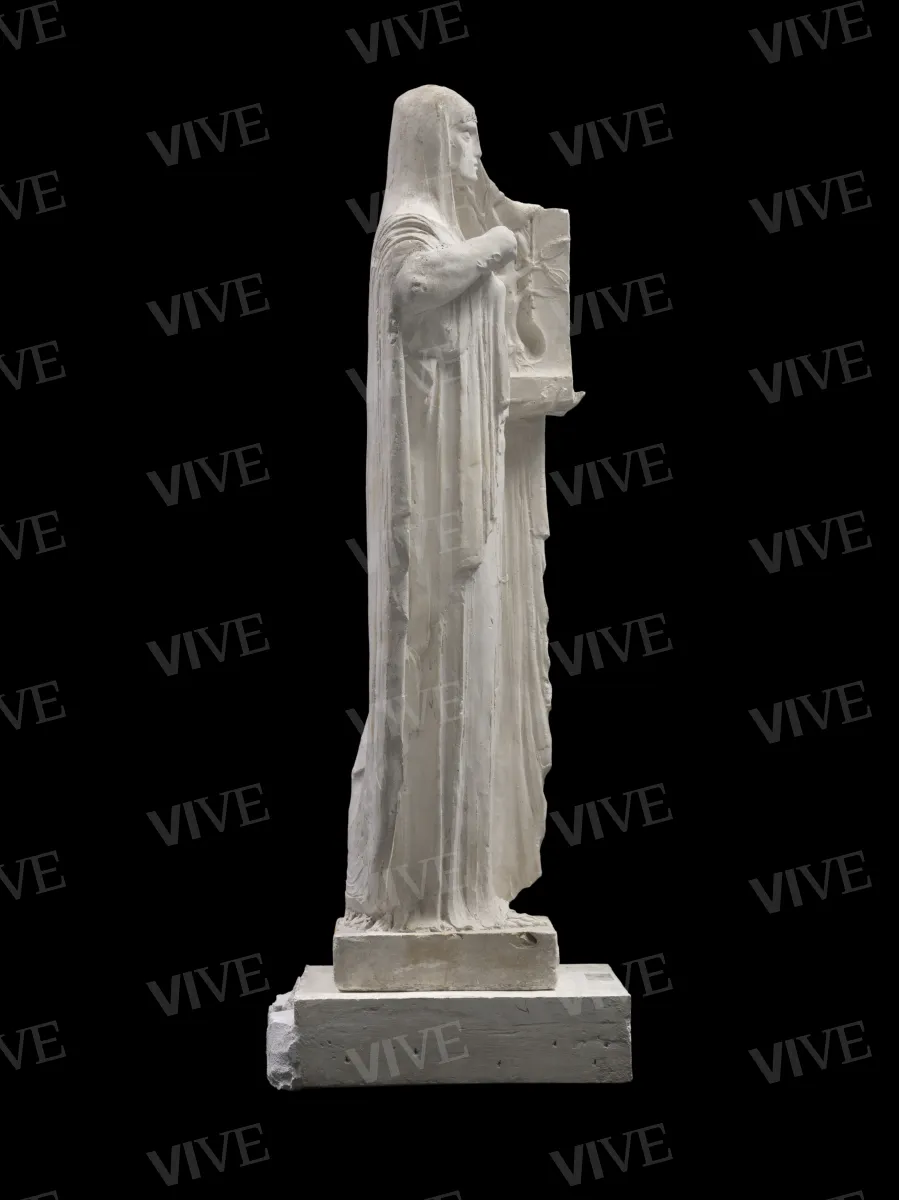
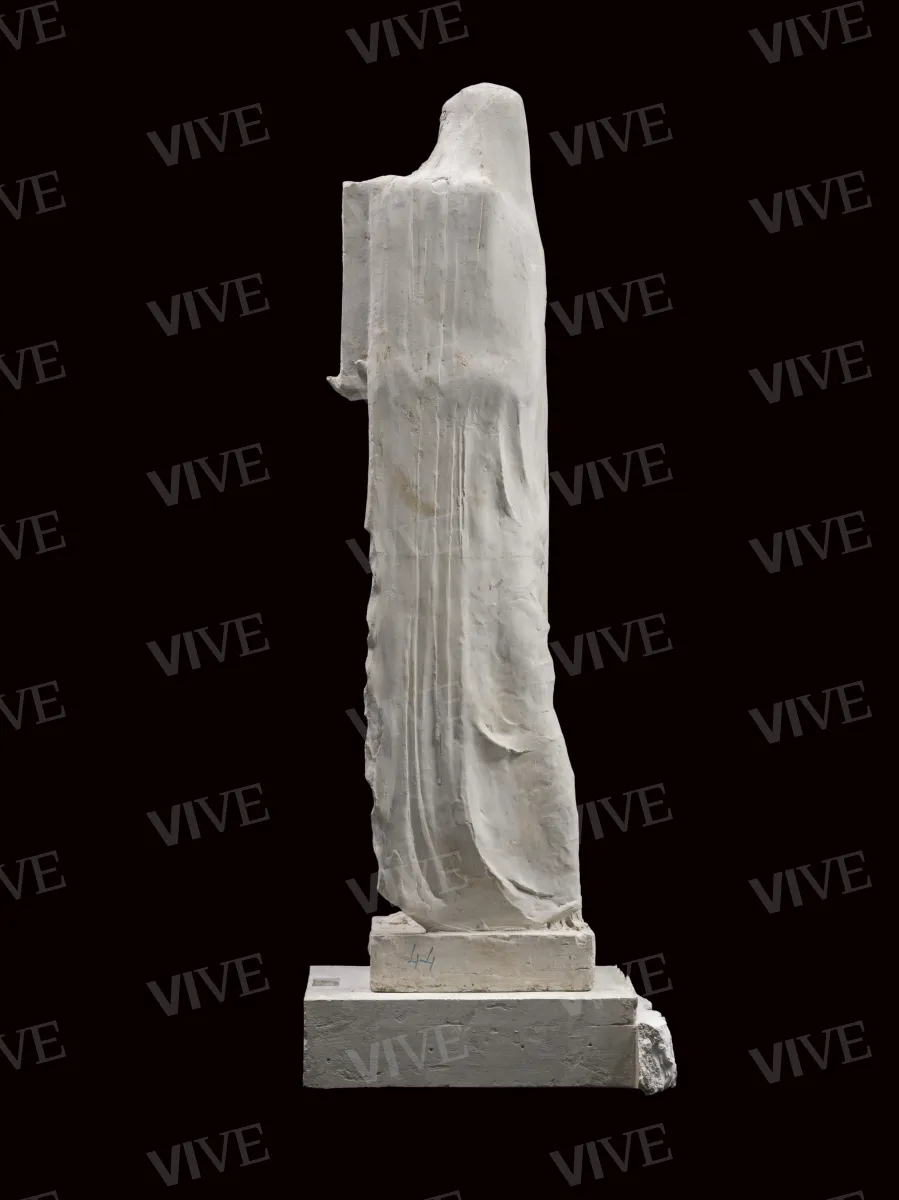
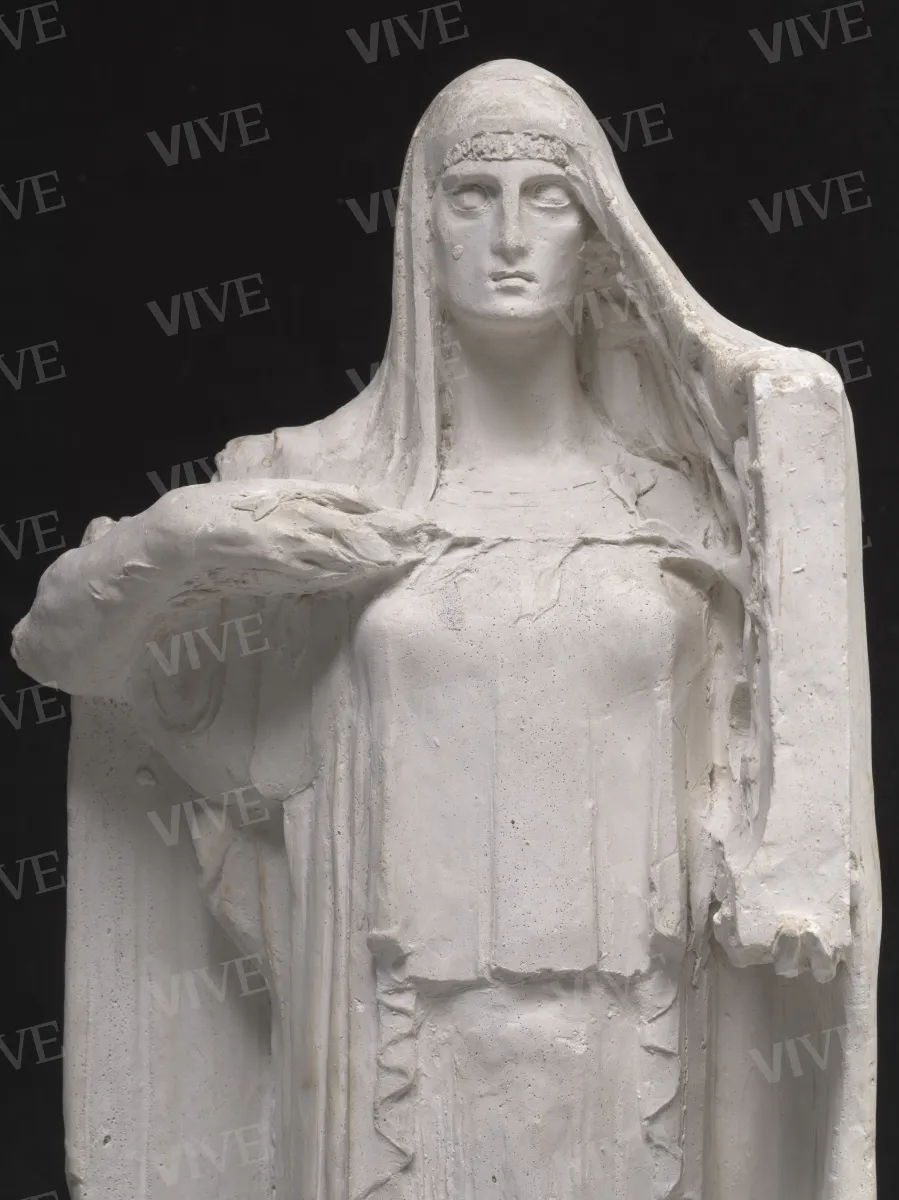
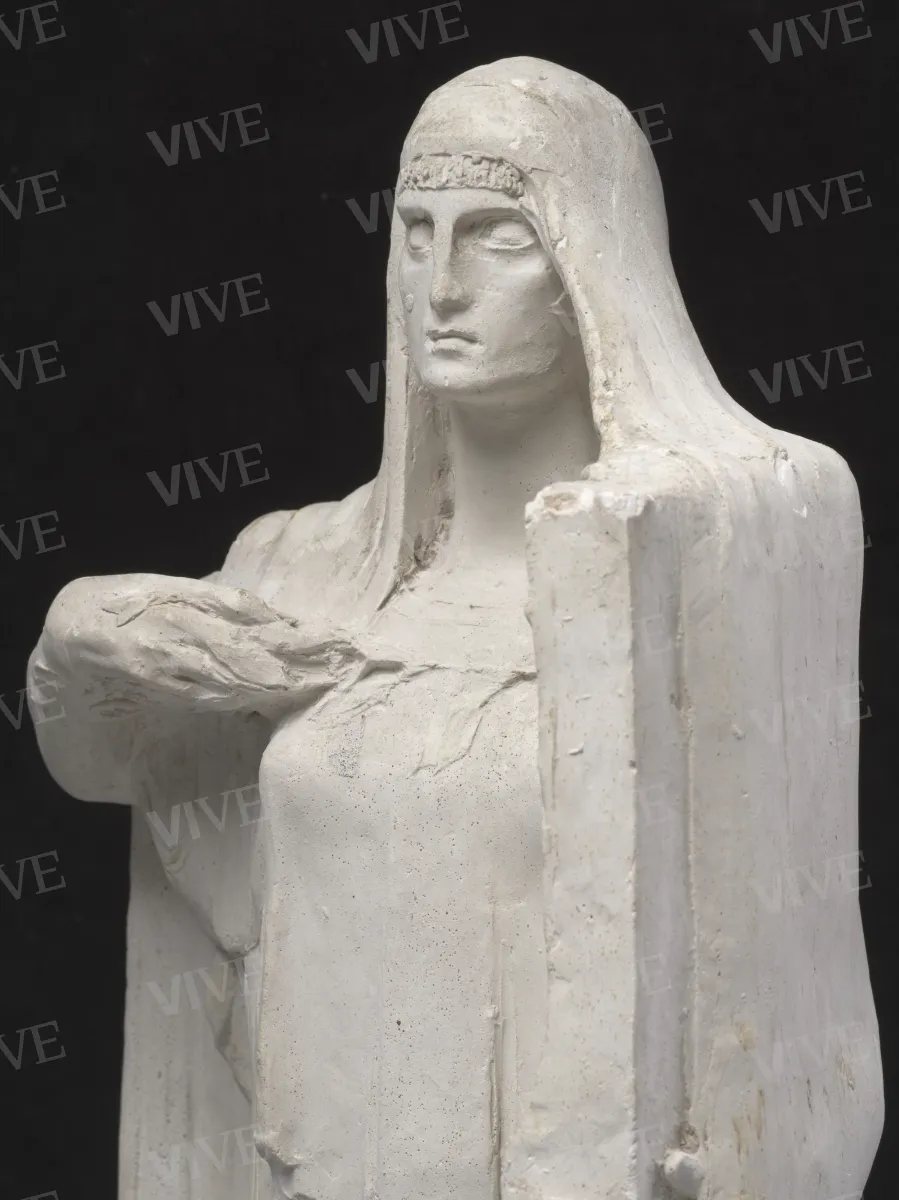
Ermenegildo Luppi produced the plaster cast entitled Poetry as his submission for the competition held on May 11, 1920, which sought designs for four Botticino marble statues intended for placement on pedestals at the columns fronting the entrance vestibules of the Museo Nazionale del Risorgimento. Consistent with his artistic approach, Luppi employed a more austere and archaic style in this work, ensuring that the sculpture would harmonize with the classicist architectural features of the Vittoriano.
This plaster cast was incorporated into the Vittoriano’s Gipsoteca following Ermenegildo Luppi’s success in the competition held on May 11, 1920, for the creation of four Botticino marble statues intended for pedestals at the columns flanking the entrance vestibules to the Museo Nazionale del Risorgimento within the Vittoriano. According to the competition guidelines, submissions were to be presented to the judging committee at one third of their final intended size, with subjects depicting Poetry, Propaganda, Conspiracy, or Insurrection—concepts regarded as the ideal forces that initiated and sustained the national Risorgimento.
Out of one hundred sketches submitted by fifty-four artists in the competition, works by Sechi, Mistruzzi, Canevari, and Luppi were initially chosen for consideration for the theme of Poetry, with Luppi eventually selected as the winner. In this project, Luppi departed from his previous artistic approach—which had explored expressionist techniques influenced by Wildt and further informed by Medardo Rosso’s methods—in order to adopt a more restrained and traditional style. This change allowed the sculpture to align with the classicist architectural and decorative setting of the Vittoriano. Luppi’s Poetry shows a female figure wearing a peplos that also covers her head, depicted while plucking a leaf from a laurel plant she holds in her left arm. There is a bronze version of the same size in a private collection, identical to the plaster cast in the Vittoriano. The final version, made in Botticino marble and altered as requested by the technical–artistic subcommittee for the Monument to Victor Emmanuel II, was delivered by the sculptor on March 2, 1923.
Edoardo Lo Cicero
Entry published on 18 December 2025
Excellent.
2024: Pantone restauri.
Rome, VIVE—Vittoriano e Palazzo Venezia, La Dea Roma e l’Altare della Patria. Angelo Zanelli e l’invenzione dei simboli dell’Italia unita October 26, 2023–February 24, 2024.
Rome, ACS, Ministero ai Lavori Pubblici, Direzione Generale Edilizia, Sistemazioni Urbanistiche Diverse, Divisione V, Parte I, Monumento a Victor Emmanuel II, b. 37, f. 100, Relazione della Sottocommissione tecnico-artistica al concorso, May 11, 1920.
Rodiek Thorsten, Das MonumentoNazionale Vittorio Emanuele II. in Rom, Frankfurt am Main-Bern-New York 1983, p. 573;
Di Napoli Rampolla Federica, Opere in bianco. Storie e accadimenti del primo Novecento, Roma 2009, p. 96;
Lo Cicero, in Terraroli Valerio, La Dea Roma e l’Altare della Patria. Angelo Zanelli e l’invenzione dei simboli dell’Italia unita, catalogo della mostra (Roma, Vittoriano, 26 ottobre 2023-25 febbraio 2024), Milano 2023, pp. 190-193.